







Introduction:When many beginners hear the term "dark roast" for the first time, they often associate it with intense bitterness. However, for seasoned coffee enthusiasts, the charm of dark roast beans lies in their rich, full-bodied taste and complex, layered flavors. This article will guide you through the unique advantages of dark roast beans, their common flavor characteristics, as well as suitable brewing methods and parameter settings, helping you find the one that suits you best.
Many people, when first exploring the world of coffee, immediately think "it must be very bitter" upon hearing the word "dark roast." Yet, for veteran coffee drinkers who have been enjoying it for over a decade, dark roast beans often become their favorite, growing on them more and more with each cup. What exactly makes these experienced drinkers so fond of dark roasts?
The answer isn’t complicated. The appeal of dark roast coffee doesn’t lie in bitterness alone, but in its steady, robust mouthfeel and the increasingly complex layers of flavor that emerge over time, leaving a memorable aftertaste.
Dark roast beans give off a sense of being “rich” and “stable.” Compared to light roast beans, which are refreshing and vibrant like fruit tea, with bright acidity and sweetness, dark roast beans are more akin to smooth, dark chocolate—silky on the palate, deeply flavorful, with a long-lasting and understated aftertaste. These characteristics make dark roast beans enjoyable even across two or three consecutive cups without becoming cloying, and they are especially loved by daily coffee drinkers.
Additionally, dark roast beans usually have very low acidity, making them an extremely friendly choice for those who are not accustomed to the pronounced acidity in coffee. If you’re sensitive to the sour notes in coffee, you might want to start with dark roast beans—you may rediscover the possibilities that coffee has to offer.
The processing principle behind dark roasting involves heating the coffee beans to gradually caramelize the internal sugars as the temperature rises, while breaking down acidic components. This transforms the flavor profile from the original fruity and floral notes into warm-toned ones such as nuts, chocolate, and caramel. This process not only gives dark roast beans a thicker, denser mouthfeel but also promotes the release of coffee oils—an important reason why many espresso blends are roasted to medium-dark or dark levels.
Here are several commonly acclaimed dark roast beans, each showcasing distinct regional characteristics and roasting styles:
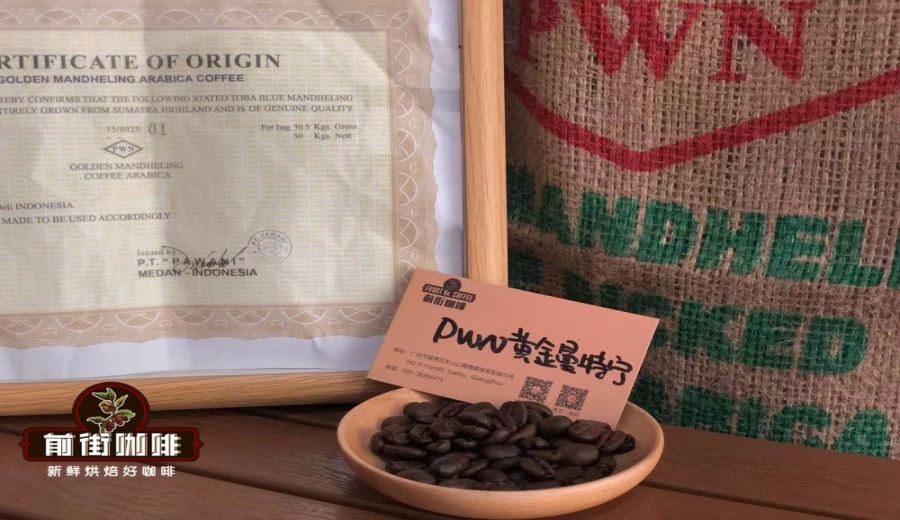
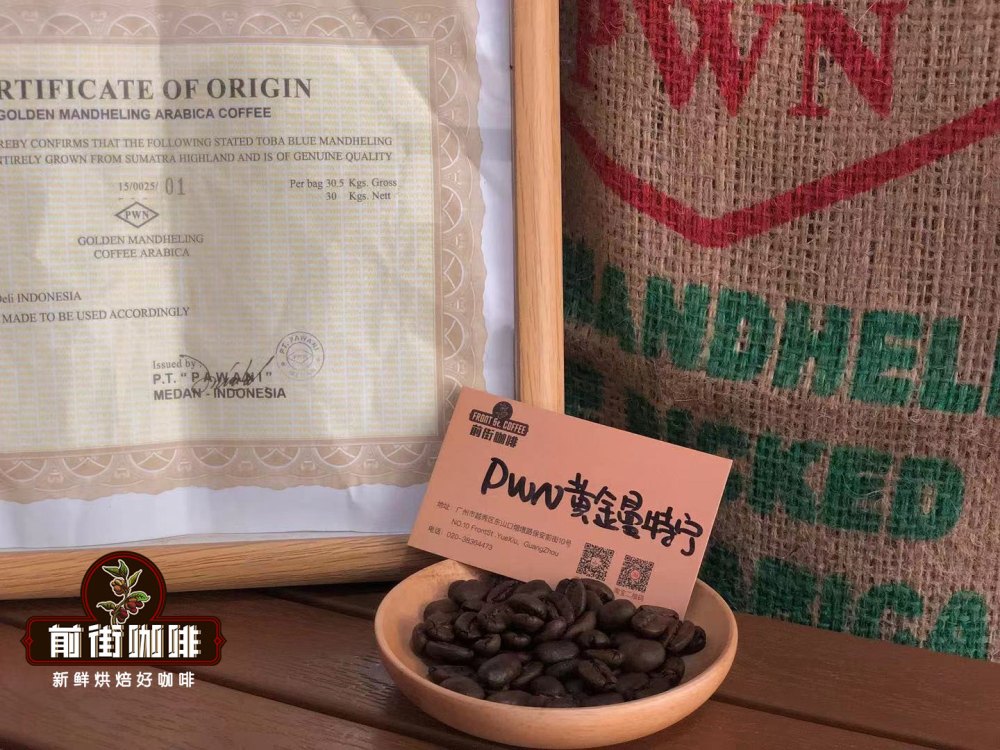
Indonesian Golden Mandheling is a representative of the bold and full-bodied spectrum within dark roasts. It has extremely low acidity and, once brewed, releases intense black chocolate, herbal, and spicy notes, along with a unique woody tone and subtle earthy undertones. Its mouthfeel is rich and full, with a long, deep aftertaste. It’s suitable for drinking straight or paired with milk.
Brazilian Queen Estate beans exhibit a balanced aroma of nuts, cocoa, and caramel. The overall flavor is rounded and smooth, with low acidity and prominent sweetness. Whether brewed via pour over, moka pot, or espresso, they deliver a stable and elegant performance.
Yunnan Natural Process Typica is an outstanding representative of China’s specialty coffee. In addition to retaining the clean sweetness unique to the Yunnan growing region, medium-dark roasting adds a layer of rich texture. Upon tasting, one can perceive layers of citrus and caramel, followed by the gradual release of nuanced flavors such as nuts, brown sugar, and chocolate. The overall structure is harmonious and deeply layered.
Papua New Guinea Bird of Paradise, though not as famous as Blue Mountain, is often hailed as the “little Blue Mountain” in terms of flavor performance. Using the same Typica variety as Blue Mountain and processed through the washed method, it showcases extremely low acidity and exceptional smoothness, with noticeable sweetness and aromas of nuts, cocoa, and caramel. The taste is balanced and highly drinkable.
To fully appreciate the charm of dark roast beans, the brewing method and parameter settings are equally crucial. Since dark roast beans have intense flavors, it’s recommended to slightly lower the water temperature during brewing and control the extraction time. This approach can more effectively bring out their sweetness and smooth texture. Making milk coffee or brewing a classic Americano are both classic and beginner-friendly options.
If you choose the pour over method, it’s suggested to set the water temperature between 86–89°C, with a medium-coarse grind size and a powder-to-water ratio of about 1:14. Using slower-flow devices such as a Kono dripper or a cloth filter can help extract a rounder and fuller mouthfeel. If you find plain pour over too strong, making a pour over latte by adding milk is also a great variation.
There’s no absolute standard when it comes to enjoying coffee. Some love the fresh and zesty notes of fruitiness, while others are drawn to the rich and bold character of dark roasts. Neither is superior to the other—it all depends on which flavor aligns better with your personal taste preferences. If you haven’t tried dark roast beans yet, starting with some of the classic flavor profiles mentioned above might just open a new door to the world of coffee for you.
The above content is compiled by CoffeeHunters, a coffee news website.

