







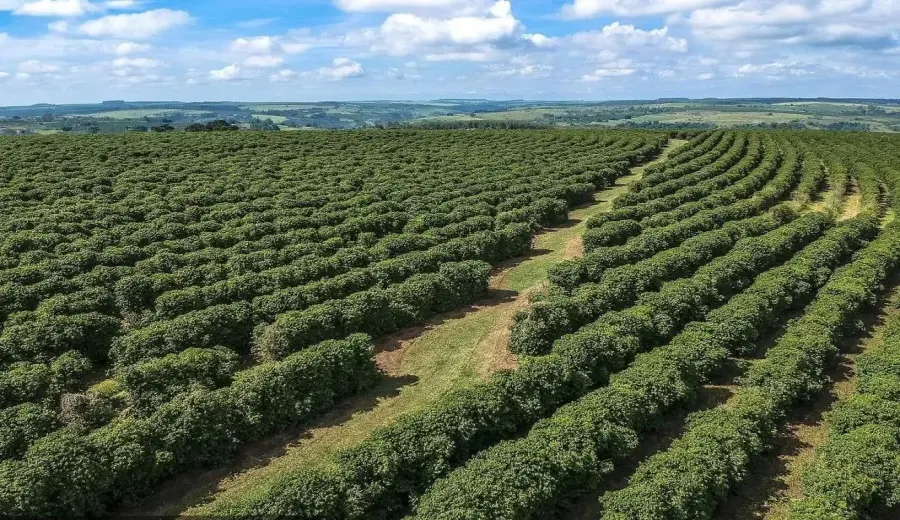
Introduction:Recently, major coffee-growing regions in southeastern Brazil have been hit by rare storms, with key producing areas such as São Paulo and Minas Gerais bearing the brunt. Rainfall exceeded 100 millimeters, and wind speeds reached up to 100 kilometers per hour. The timing couldn't be worse — it’s the critical berry development phase — and this could severely impact this year’s harvest. This article delves into the actual effects of the disaster on yield, the current situation in the affected areas, and potential future challenges, helping coffee professionals and enthusiasts stay informed on the latest developments in the producing regions.
Several important coffee-growing regions in southeastern Brazil have recently been struck by severe storms caused by the interaction of strong cold fronts and high temperatures. This extreme weather has significantly impacted São Paulo, Minas Gerais, Espírito Santo, and Rio de Janeiro states. In some areas, daily rainfall surpassed 100 millimeters, with wind speeds peaking at 100 kilometers per hour. These regions collectively account for 48% of Brazil’s total coffee production. At a crucial stage of coffee berry formation and development, the storms and heavy rain directly led to substantial fruit drop. Industry experts have issued warnings, urging coffee farmers to immediately implement disaster prevention measures.
It's worth noting that the disaster is not limited to crop losses. According to statistics from Brazilian disaster management authorities, the heavy rains have resulted in at least 24 fatalities and forced thousands of residents to evacuate their homes. Infrastructure in the affected areas has been severely damaged. In Espírito Santo, flooding has left over 5,700 people homeless, with 16 deaths reported in the state. Meanwhile, inland mountainous areas of Rio de Janeiro also suffered greatly, with 238 landslides occurring and 8 people losing their lives. High risks remain in the coming days, putting tremendous pressure on rescue and reconstruction efforts.
From an industry perspective, Brazil, as the world’s largest coffee producer, has its southeastern region — including São Paulo, Minas Gerais, Espírito Santo, and Rio de Janeiro states — as core production areas. These four states alone contribute 48% of the country’s total coffee output. The period from May to August each year is the main harvesting season for coffee berries, and currently, the fruits are in a crucial development stage. Experts point out that storms can directly knock berries off the branches, while strong winds accelerate fruit drop, further affecting overall yield and quality. Therefore, industry insiders are calling on coffee farmers to take early protective measures, such as reinforcing shade nets, pruning overly dense branches, and closely monitoring weather forecasts. Early harvesting of ripe berries may be necessary when needed.
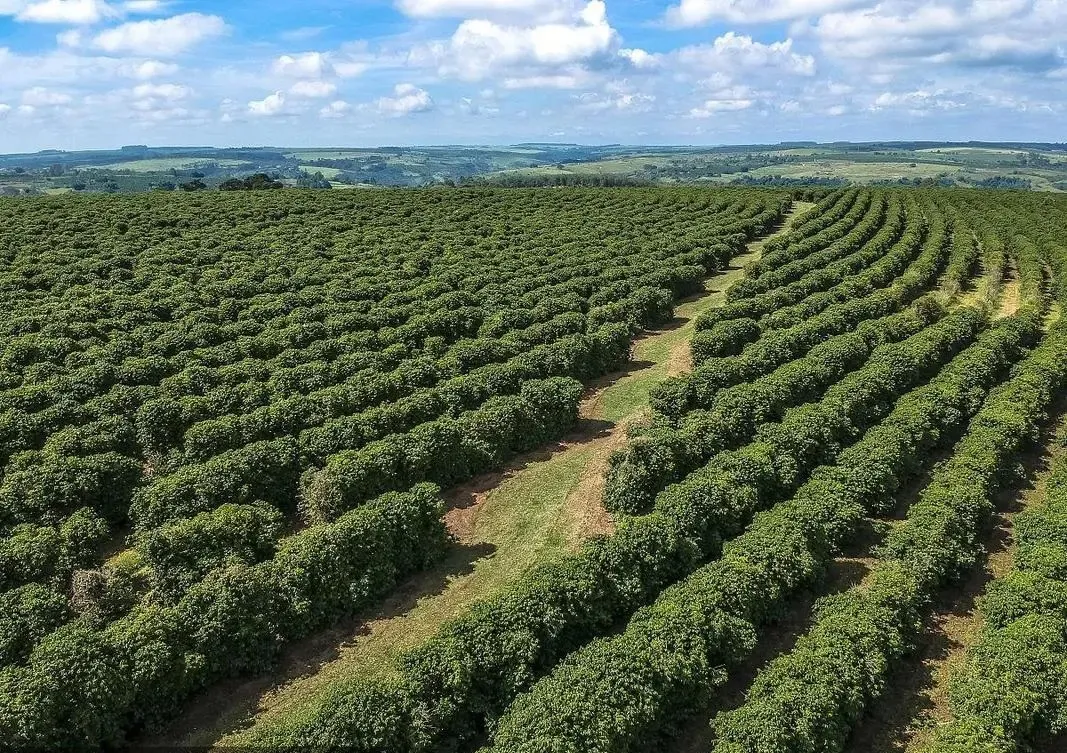
According to earlier predictions by Brazil’s National Institute of Meteorology, this spell of severe weather stems from the intense collision between cold air from the south and previously high-temperature air masses, which is particularly prone to triggering widespread heavy rain and strong winds in northern São Paulo, southern and rural parts of Minas Gerais, southern Espírito Santo, and throughout Rio de Janeiro state. The disaster warning center further cautioned that these areas could face threats of flooding and landslides, with daily rainfall potentially exceeding 100 millimeters and gusts reaching up to 100 kilometers per hour. Such extreme conditions are expected to persist for several days, and various regions have successively declared a state of “severe danger.”
Beyond the immediate crop losses and casualties, this torrential rain disaster also casts a shadow over future coffee harvests. On one hand, the extent of damage in remote mountainous areas has yet to be fully assessed, and the actual impact on coffee farms may be even greater. On the other hand, Brazil is currently experiencing a dengue fever outbreak, with national confirmed cases surpassing 2.01 million and 153 deaths. Torrential rains further promote mosquito breeding, and the healthcare system is already under critical strain. Industry insiders worry that if the outbreak continues to spread, there may be a labor shortage during the upcoming coffee picking season, thereby slowing down the harvesting process and affecting the overall pace of the production cycle.
Overall, this extreme storm event in southeastern Brazil has not only caused severe disruption to local residents’ lives but may also trigger a chain reaction across the global coffee supply chain. From the real-time situation in the producing regions and disaster warnings to the impact of the pandemic, every aspect requires close attention in order to effectively assess the final outcome of this year’s coffee yield and prepare responsive strategies in advance.
The above content is compiled by CoffeeHunters, a coffee news website.


