







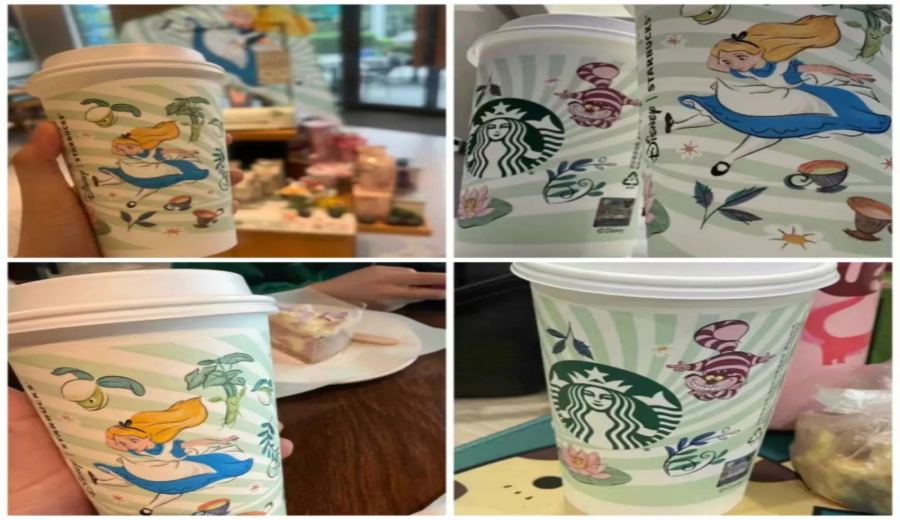
Introduction:The Starbucks x Disney “Alice in Wonderland” collaboration campaign has sparked widespread excitement, but the limited-edition paper cups have been in such high demand that they sold out in some stores before the event ended, leaving many customers disappointed. Is it an issue of copyright restrictions or supply strategy? This article delves into the details of the campaign, exploring the barriers to obtaining these limited merchandise items and how brands strike a balance.
In the Starbucks x Disney collaboration featuring the “Alice in Wonderland” series, the limited-edition themed paper cups quickly became the focal point of the market. However, many customers found that even before the event concluded, the collaboration-themed cups had already sold out in certain stores, leaving those who specifically came to buy them feeling let down. At the root of the issue is Disney’s strict control over copyright and anti-counterfeiting measures, which have prevented Starbucks from producing these cups in large quantities, making restocking difficult.
Inspired by “Alice in Wonderland,” this collaboration campaign had leaked images of its merchandise circulating online even before the official announcement, sparking extensive discussion. After its official release, the refreshing design style successfully attracted numerous Disney fans. Alongside the merchandise, limited-edition themed packaging cups were also launched, becoming a must-have item for many customers.
For many Starbucks customers, purchasing new products grants access to a limited-edition paper cup. Although not as durable as travel mugs, these cups offer better value for money. As a result, many customers specifically ordered drinks to get the Alice-patterned paper cups. However, the rules for obtaining these cups aren’t simple—customers must purchase designated Disney-collaboration new products, and the drink must be a grande hot beverage. Each drink comes with one limited-edition paper cup, and no additional cups can be requested.
These complicated rules have already inconvenienced customers, but what’s even more confusing is that the limited-edition cups ran out of stock even before the campaign ended. Compared to similar collaborations by other brands such as Luckin or Manner, Starbucks’ limited-edition strategy appears much stricter. In some stores, cups sold out just one or two days after the event went live, greatly disappointing customers.
Faced with customer complaints, Starbucks staff also expressed their helplessness. It is understood that Disney has extremely stringent requirements regarding copyright. These Alice-patterned cups are all affixed with anti-counterfeiting labels, and Disney takes a copyright fee from Starbucks’ revenue for each cup sold. Therefore, due to the high copyright costs, Starbucks may not have been able to print the cups in large quantities, resulting in limited inventory at stores and no possibility of restocking.
While this limited-edition strategy respects the copyright requirements of the partner, it has also raised questions among consumers about the brand’s service. From the customers’ perspective, the organizers should take user needs into account while respecting copyright. Otherwise, such a limited approach may affect the brand image and even lead to negative reviews.
Overall, the Starbucks x Disney collaboration highlights the challenges of copyright and supply in brand partnerships. For consumers, understanding the rules and background of the limited-edition strategy can help better plan purchases. For brands, how to balance consumer needs while respecting copyright is a question worth deep consideration.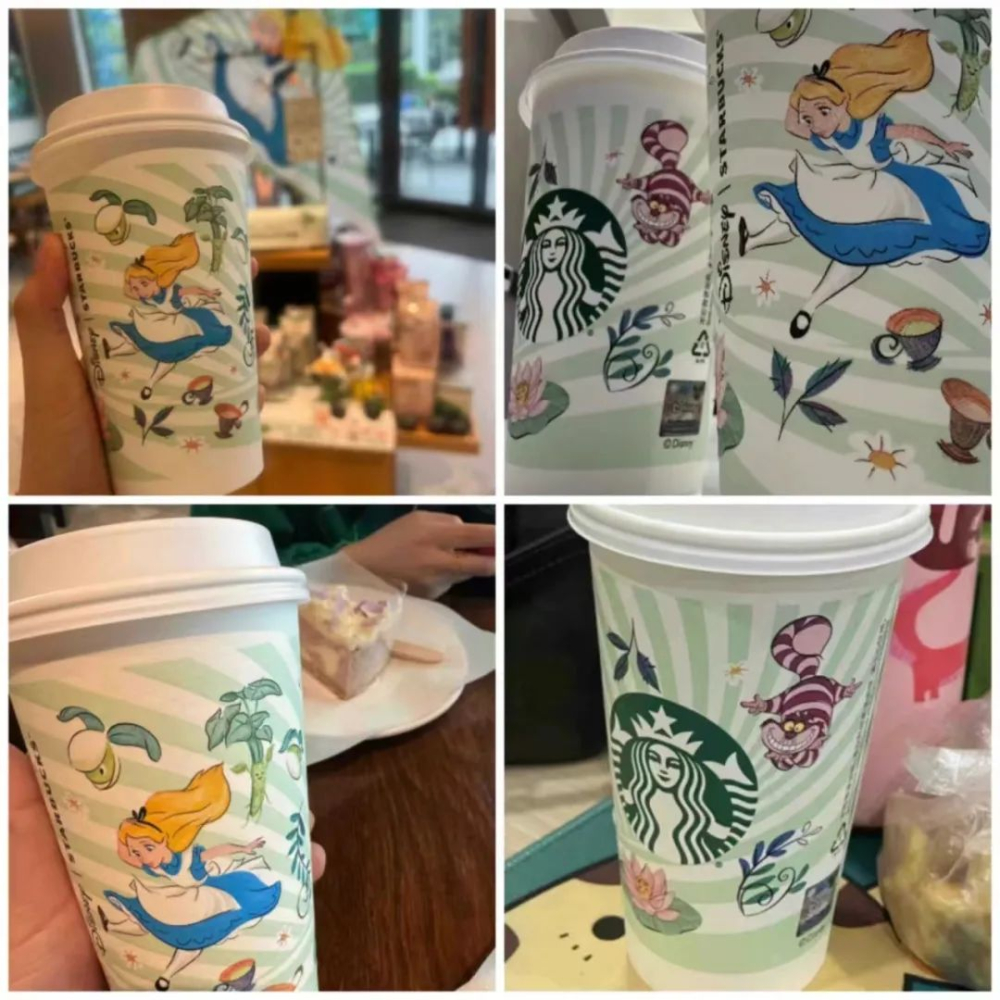
The above content is compiled by CoffeeHunters, a coffee news website.


