








Introduction:As the youngest coffee-growing region in Guatemala, the New Oriental Zone is renowned for producing extremely hard beans with rich and layered flavors, thanks to its high altitude and volcanic terrain. This article will delve into the geographical environment, climatic characteristics of the New Oriental Zone, and how the Geisha variety—introduced from Panama—thrives here, showcasing its unique charm. With honey processing and medium-light roasting, this coffee exhibits pronounced floral and fruity sweetness in pour over brewing, making it an excellent choice for coffee enthusiasts who enjoy exploring delicate flavors.
On the global coffee map, Guatemala ranks among the top ten coffee-producing countries. Its coffee is celebrated for its high-altitude, extremely hard beans, which feature bright acidity and a rich array of aromatic layers. The country has eight well-known coffee-growing regions, each situated in diverse geographical and climatic environments. Among them, the New Oriental Zone, although the latest to engage in coffee cultivation, has emerged as a rising star due to its exceptional natural conditions.
Guatemala is located in the northern part of Central America, bordering countries such as Mexico and Honduras. The country is mountainous, with about two-thirds of its land consisting of plateaus and mountainous terrain. It is home to 37 volcanoes, which contribute to mineral-rich soil conditions. Coupled with a mix of tropical and subtropical climates, this creates diverse microclimates. In particular, areas at elevations between 1,300 and 1,800 meters are especially suitable for coffee cultivation, benefiting not only from significant day-night temperature variations but also from the accumulation of sugars and flavor compounds in the coffee cherries.
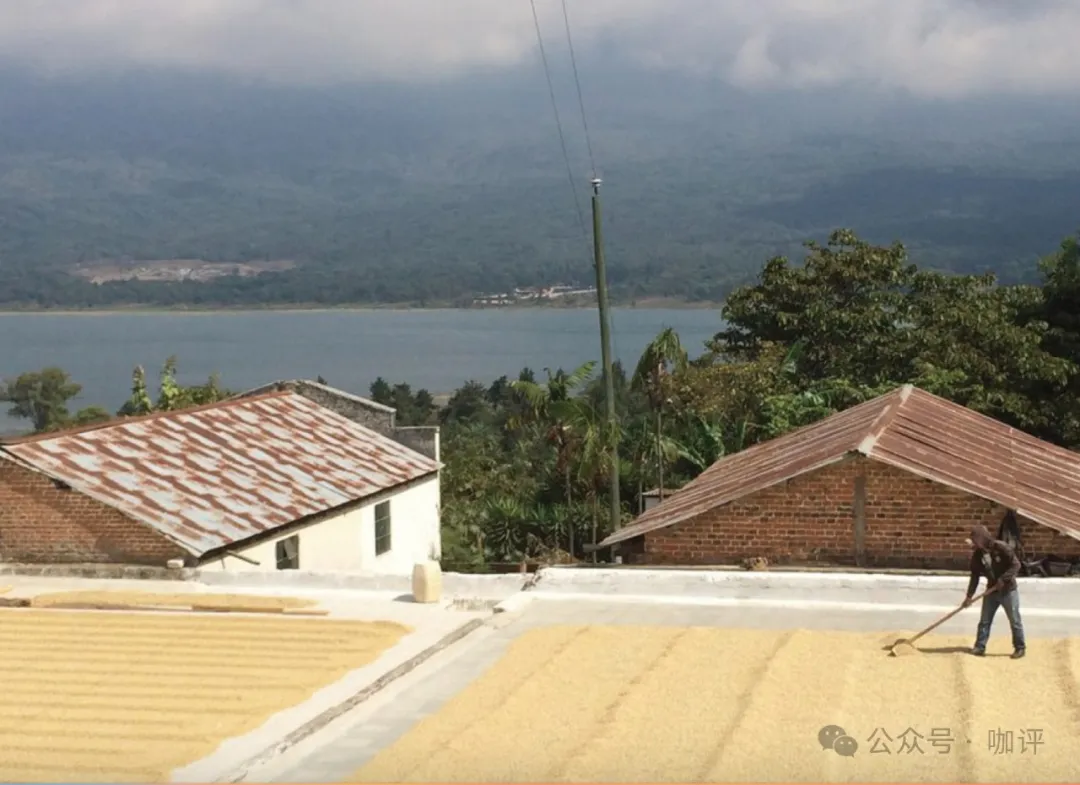
The New Oriental Zone is located in the eastern part of the country, bordering Honduras, and is one of Guatemala’s later-developed coffee-growing regions, with coffee cultivation only beginning in the 1950s. The elevation here ranges from 1,500 to 2,050 meters, with year-round cloud cover, relatively shorter sunlight hours, and a humid climate paired with fertile volcanic soil. These factors result in coffee beans with complex and varied flavor profiles, making it an excellent choice for those seeking to explore nuanced flavors.
When it comes to popular varieties in this region, Geisha is undoubtedly one of the highlights. This variety was first discovered in the forests of Ethiopia in the 1930s and was initially introduced to various countries for its resistance to leaf rust. It wasn’t until 2005, when it won a competition at Panama’s Hacienda La Esmeralda, that Geisha shot to fame. Known for its delicate floral notes, fruity aromas such as peach and bergamot, and distinct sweetness, Geisha quickly captured the hearts of coffee lovers worldwide and became a star in the specialty coffee market.
From a botanical perspective, the Geisha variety features relatively long and narrow leaves that tend to be thin, with young shoots often appearing green or bronze. Its branches are sparse and widely spaced. The coffee cherries are mostly red or yellow when ripe, and the raw beans typically have a slender, pointed shape. Although the plant itself grows tall, it is relatively fragile. Geisha thrives best in high-altitude mountain environments above 1,600 meters.The higher the altitude, the more it helps concentrate flavors and enhance purity.However, it is also important to guard against pests and diseases such as nematodes and berry diseases.
Currently, the highly regarded Guatemalan New Oriental Geisha coffee beans on the market are processed using the honey method and medium-light roasted, allowing the unique aromas and flavors of the variety to shine through. Based on actual cupping experiences, using a V60 filter cone with a 1:15 coffee-to-water ratio and water at 92°C for pour over brewing can clearly capture refreshing notes such as white floral, sweet orange, and bergamot, accompanied by a soft honey texture and pronounced toffee-like sweetness. The overall mouthfeel is smooth and layered.
If you’d like to try brewing this coffee at home, it is recommended to use a medium-fine grind, maintain a coffee-to-water ratio between 1:15 and 1:16, and keep the water temperature between 90 and 93°C. Employ a blooming phase with 30 grams of water for 30 seconds, followed by incremental pouring of the remaining water. The total extraction time is ideally around 2 minutes and 30 seconds to 3 minutes, which helps achieve balanced flavor expression. This coffee bean is not only ideal for pour over enthusiasts seeking intricate flavors but also serves as a great entry point for discovering the New Oriental Zone and the Geisha variety.
The above content is compiled by CoffeeHunters, a coffee news website.


