







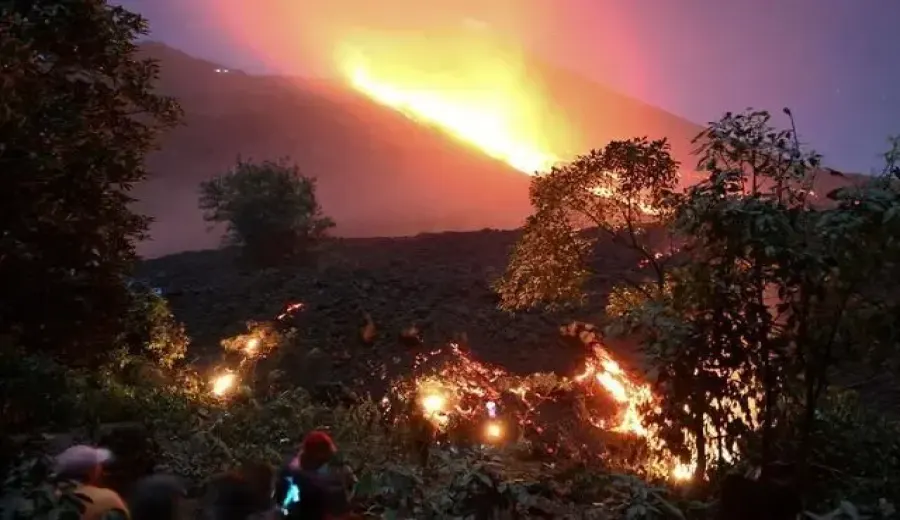
Introduction:In recent years, affected by the El Niño phenomenon, Guatemala in Central America has experienced severe droughts. Key coffee-growing regions in the south, such as Antigua and Acatenango, have faced heightened threats from wildfires, with over 40 hectares of woodland affected. At the same time, a sharp decline in hydropower generation has led to electricity shortages, driving up coffee processing costs and putting immense pressure on the entire industry chain. This article delves into the local disaster situation, the causes of the power crisis, and how they specifically impact coffee cultivation and post-harvest processing.
Since the traditional dry season began in November 2023, the intense El Niño weather pattern has continued to exacerbate drought conditions in Guatemala, leading to frequent large-scale forest fires in the country and a significant drop in hydropower generation, delivering a double blow to the agriculture-based economy, which is dominated by coffee.
According to statistics, as of recently, the country has accumulated 855 fire incidents, over 60% of which—609 incidents—are forest fires. These fires pose a significant threat to crops, especially major export cash crops such as coffee, bananas, sugarcane, and cardamom. These products are not only vital to the livelihoods of local farmers but also an important source of foreign exchange earnings for Guatemala.
Disaster Focus Area: Coffee-Growing Regions of Antigua and Acatenango Hit Hard
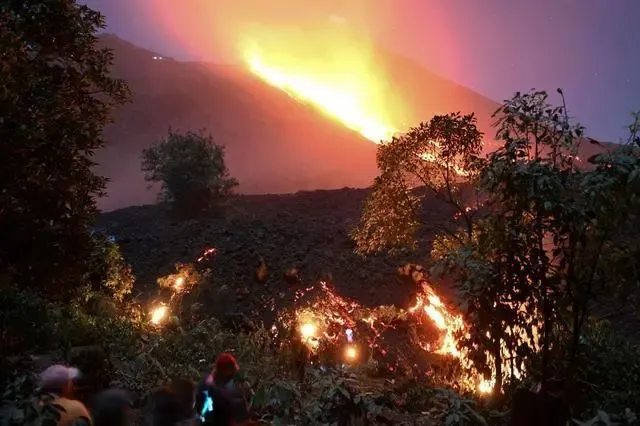
Among them, the wildfires in the volcanic region around Agua Volcano in the south have been particularly severe. This area is home to the renowned high-quality coffee-producing regions of Antigua and Acatenango. The fires have spread across more than 40 hectares of forest and vegetation. Although local residents have been safely evacuated with government assistance and no casualties have been reported, the damage to crops and woodland may still affect future harvests.
Power System Enters Emergency State, Hydropower Generation Drops by 17%
The drought has not only triggered wildfires but also caused a decline in reservoir water levels, directly impacting hydropower generation. On March 18, 2024, Guatemala’s Ministry of Energy and Mines (MEM) announced that the National Interconnected Electrical System (SNI) had entered a two-month-plus state of emergency, lasting until May 31; if the drought persists, this state may be further extended.
The ministry pointed out that the main reason for the emergency state is significantly lower precipitation, resulting in a sharp drop in hydropower generation. Data shows that hydropower generation in February 2024 decreased by17%. Taking the Chixoy Reservoir as an example, its water storage is about 75%, with the water level at 796.7 meters, having dropped 1.08 meters compared to seven days prior, significantly limiting its power generation capacity.
Due to insufficient hydropower supply, the system has had to rely on other power generation methods to make up the shortfall, but conventional thermal power facilities have limited reserves and struggle to fully meet the surge in short-term power demand.
Panama Canal Drought Delays Fuel Transport, Adding Further Pressure on Industry Costs
Another factor that cannot be overlooked is that El Niño has also impacted navigation conditions in the Panama Canal, drastically reducing vessel passage capacity. This is expected to delay the transport of fuel imports to Guatemala by approximately four weeks, not only affecting the fuel supply for coffee processing plants but also indirectly driving up electricity costs and exacerbating the financial burden on production processes.
The coffee industry, from cultivation to post-harvest processing, is highly dependent on stable power supply. Rising electricity prices are directly passed on to production costs, which has a particularly pronounced impact on small and medium-sized coffee farms and processing plants.
Government and Industry Seek Solutions, Focusing on Power Investment and Foreign Investment
Faced with this wave of multiple crises, the Guatemalan government and relevant industry organizations are seeking countermeasures. The Guatemalan Chamber of Industry (CIG) has publicly called for increased investment in the power sector and expressed willingness to work with the government to stabilize energy supply and costs.
In addition, the Ministry of Economy recently held a meeting on the “Guatemala Economic Action Plan,” proposing that nearly $1.4 billion in foreign direct investment is expected to be attracted in 2024. Of this, agricultural-related projects such as food, beverages, and coffee are expected to secure $381 million, while the electrical, electronic, and manufacturing sectors are also key areas for investment attraction. If these funds are successfully secured, they will help improve the overall national economy and indirectly provide some relief for the coffee industry.
In summary, the drought and power crisis brought about by El Niño are testing the resilience of Guatemala’s coffee industry. Whether challenges can be effectively alleviated through policy support, infrastructure upgrades, and international cooperation in the future will be key to determining whether the country’s coffee can maintain its international competitiveness.
The above content is compiled by CoffeeHunters, a coffee news website.


