







Introduction:The Poás Volcano in Costa Rica has recently experienced its most powerful eruption in nearly five years, with ash columns shooting up several hundred meters into the sky. The eruption not only affects local residents' lives and air quality but also poses potential threats to agricultural crops such as coffee. This article provides an in-depth analysis of the recent volcanic activity, explores its impact on key coffee-growing regions like the Central Valley, and examines how the El Niño phenomenon is exacerbating agricultural pressures — helping readers understand the challenges facing the coffee industry behind the disaster and what lies ahead.
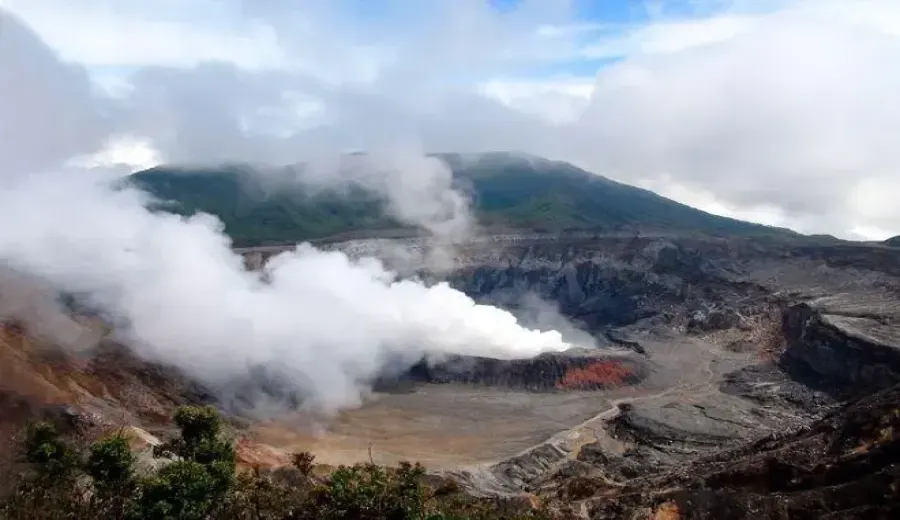
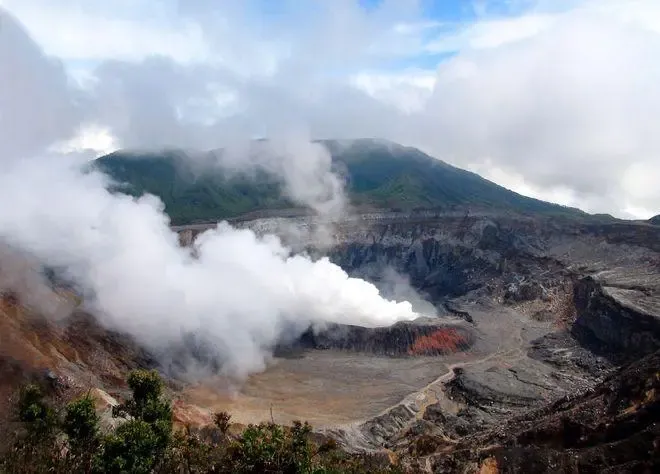
On April 2, 2024, the Poás Volcano, located about 50 kilometers north of Costa Rica’s capital San José, erupted violently — its most intense activity in nearly five years. The ash column reached heights of 600 to 800 meters above the crater and spread in all directions, posing significant threats to local residents’ lives, public health, and crops, especially coffee cultivation. The Poás Volcano National Park was also closed for two days as a safety precaution.
Costa Rica is home to more than 200 volcanoes, six of which are active — and Poás is one of them. This eruption was the largest event at the volcano in the past five years, not only releasing large amounts of ash but also filling the air with a strong smell of sulfur. Some pilots reported detecting volcanic ash even at altitudes as high as 10,000 feet (approximately 3,048 meters), indicating its widespread impact.
According to data from the Costa Rican Volcanic and Seismic Observatory, this eruption did not involve the ejection of magma or pyroclastic flows, significantly reducing the risk of casualties. However, volcanic ash itself still presents environmental and health challenges. These dry, fine particles of ash contain acidic components that linger longer in the air, can be easily inhaled, and may cause respiratory discomfort such as coughing, difficulty breathing, headaches, and nausea. For residents living near the volcano, this is a non-negligible health risk.
In addition, the impact of volcanic ash on crops is also worth noting. While volcanic ash can sometimes improve soil pH and fertility, the ash released by this Poás eruption is acidic. Instead of neutralizing the soil, it may lead to greater soil loosening, increasing the risks of wind erosion and water runoff, which indirectly affect crop growth and yield. Since Poás is located in central Costa Rica, many important agricultural areas — including the renowned Central Valley coffee-growing region — fall within its influence zone. Local coffee growers have expressed deep concern about future harvests.
Meanwhile, Costa Rica is experiencing persistent drought due to the ongoing El Niño phenomenon, with higher-than-average temperatures and noticeably less rainfall. According to statistics from the Costa Rican fire department, there have been 66 recorded fire incidents so far this year — 21 more than in the same period last year. The burned area totals 12,400 hectares, with 1,400 hectares severely scorched, dealing a significant blow to wildlife habitats, vegetation, and residents’ livelihoods. The situation is particularly severe in the province of Guanacaste.

The frequent fires are not only related to abnormal weather conditions but are also driven by human factors. Burning agricultural residues, illegal poaching, land clearing using fire, and even campfires started by tourists in the wild further heighten the risk of fires. In addition, local residents sometimes conduct informal burnings to drive away animals or clear land, contributing to consistently high fire risk levels during the dry season.
Despite the challenges brought by natural disasters to local agriculture, Costa Rica’s coffee industry remains resilient and competitive in the long term. The country’s volcanic geography, combined with high-altitude growing conditions, has earned its coffee an excellent reputation in the global market. Its coffee is known for its bright acidity, rich fruitiness, and full-bodied flavor — making it a favorite among many specialty coffee enthusiasts.
According to data from the Central Bank of Costa Rica, bilateral trade between Costa Rica and China exceeded $4 billion for the first time in 2023, with Costa Rican exports to China reaching $458 million — an annual growth rate of 17.5%. As China’s coffee consumption market rapidly expands, the demand for high-quality Costa Rican coffee is also expected to continue rising, bringing confidence to the country’s future coffee exports.
The above content is compiled by CoffeeHunters, a coffee news website.


