







Introduction:What should you do when your pour over coffee turns out under-extracted, tasting weak and lacking complexity? Many assume they have no choice but to settle for it, but in fact, by adjusting water temperature, grind size, brew ratio, and extraction time, you can identify the root of the issue. This article not only explains how these four key parameters influence coffee flavor, but also tests the feasibility of “pouring the brewed coffee back onto the coffee grounds for a second extraction.” It provides practical rescue ideas and operational details to help you learn from extraction failures and improve your pour over quality.
When a pour over coffee is under-extracted, it often presents a watery mouthfeel, with thin and one-dimensional flavors, making you wonder if there’s any way to salvage it. Compared to over-extracted coffee, which can be adjusted by diluting with water, correcting low concentration and incomplete extraction of flavor compounds is much more challenging. Some have proposed an interesting idea: could you pour the already brewed coffee back onto the coffee bed for a second extraction to make up for the lost flavors? To verify the feasibility of this method, we conducted a series of experiments and took an in-depth look at the four key parameters that profoundly affect coffee flavor—water temperature, grind size, brew ratio, and extraction time.
The common problem with under-extracted coffee is the failure to effectively release the aromatic compounds, acidity, and sweetness from the coffee beans, resulting in an overall dull and unremarkable cup. This is often due to an imbalance in the four extraction parameters, including too low a water temperature, overly coarse grind, improper brew ratio, or too short an extraction time. These factors are interconnected, and any misstep can lead to subpar final flavors. Therefore, to improve under-extraction, you first need to understand the principles behind these parameters and their actual impact on coffee.

Among them, water temperature is one of the key factors affecting flavor release. Generally, the recommended pour over water temperature is between 90–96°C. If it’s too low, it will inhibit the release of aromatic compounds, leading to under-extraction. Grind size is equally important; if the grind is too coarse, water flows through too quickly, and the contact time between coffee grounds and water is insufficient, also resulting in incomplete extraction. Additionally, brew ratio directly affects strength and flavor balance. Common pour over ratios are around 1:15 to 1:18. A ratio that’s too light often leads to a thin-tasting coffee. Finally, extraction time is also a crucial element—typically advised to be kept within 2–4 minutes. Too short a time means flavor compounds can’t be fully released.
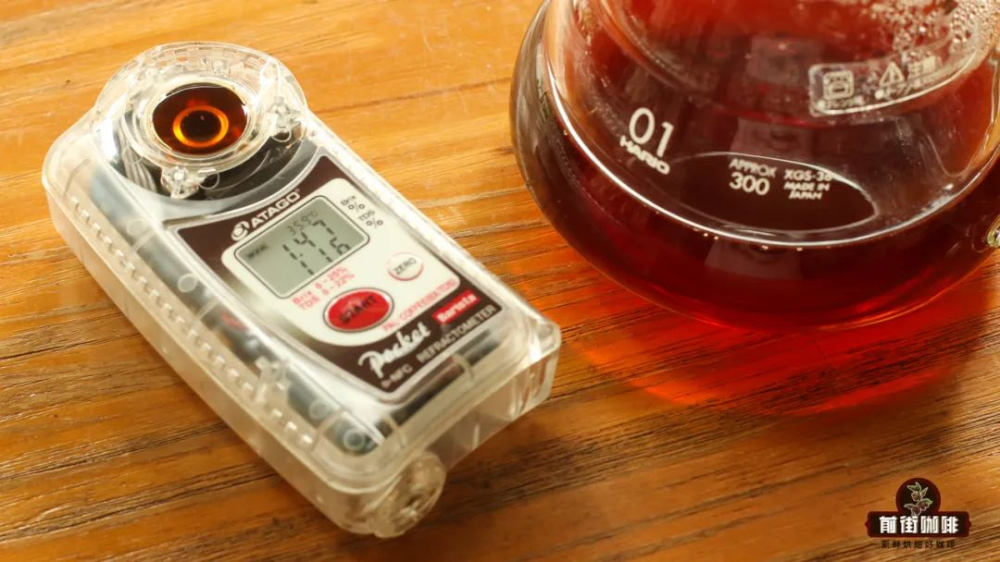
So, going back to the original idea—can pouring under-extracted coffee back onto the coffee bed and re-brewing it actually improve the flavor? The answer is that you can try it, but there are limitations and things to watch out for. In our experiment, we used a batch of coffee that, due to overly coarse grinding and insufficient extraction time, had a concentration of only 1.16% and almost no discernible flavor. This coffee came from Kenya’s Assaria, which was supposed to showcase bright berry notes and a tea-like body, but due to the failed extraction, it tasted almost like flavored water with just a hint of coffee.
To remedy this, we poured half (about 100ml) of the total brewed coffee back onto the coffee bed and let it sit for about 30 seconds for a second extraction. After mixing this re-extracted portion with the original coffee, we measured the concentration again and found it had increased from 1.16% to 1.22%. More importantly, the flavor profile improved noticeably—the tea-like quality and berry aromas began to emerge, and the overall mouthfeel became smoother and more palatable. This proves that even when the coffee has cooled to around 70°C, it still retains some ability to extract flavors, and although less efficient than hot water, the risk of over-extraction is relatively lower.
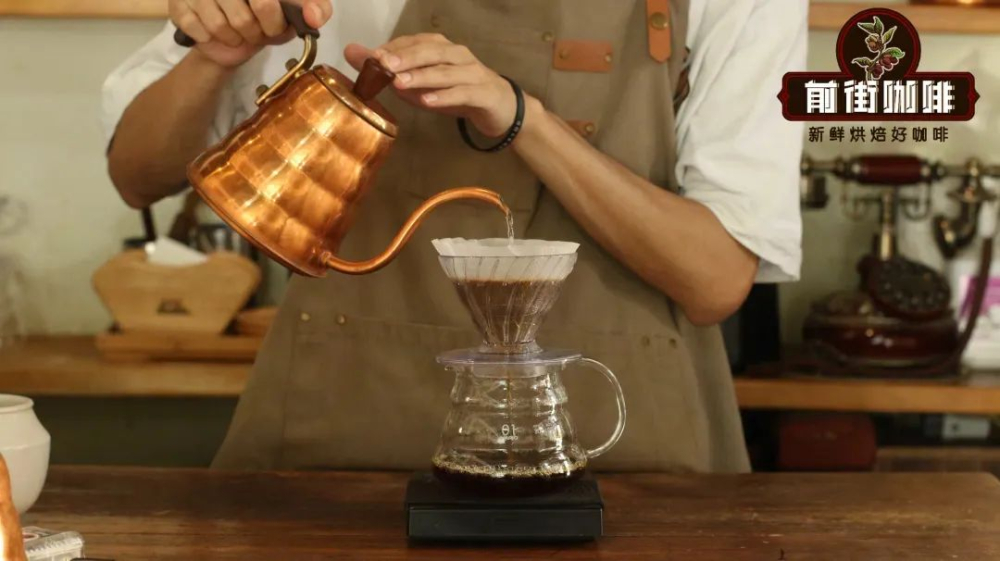
To further enhance the flavor, we poured the other half (about 100ml) of the coffee back onto the bed for another extraction. This time, the concentration rose further to 1.25%. By then, the coffee’s sweetness began to show, with complex flavors resembling caramel, black plum, and small tomatoes emerging. The overall performance got closer to the ideal state and better matched personal taste preferences. The experiment shows that by pouring back in stages and controlling the re-extraction time, it is indeed possible to salvage under-extracted coffee to some extent.
However, this method does have its limitations. First, after the initial brew, most of the flavor compounds in the coffee grounds have already been released, leaving mostly less soluble components, so the amount of flavor you can extract during re-brewing is limited. Second, as the coffee is poured back and left to sit, its flavors continue to volatilize and oxidize, making the final result slightly inferior to a coffee that was brewed correctly from the start. Therefore, while technically remediable, the outcome will never quite match a cup where the parameters were precisely controlled from the beginning for a perfect extraction.
In summary, when you encounter under-extracted pour over coffee, you can try pouring part of the brewed coffee back onto the coffee bed for a second extraction. By extending the contact time appropriately, you might improve the concentration and flavor profile. But remember, the key to success still lies in the four extraction parameters—water temperature, grind size, brew ratio, and extraction time. Only by accurately mastering these elements during your regular brewing can you truly avoid extraction mistakes and enjoy a pour over coffee that’s balanced in flavor and rich in layers.
Next time you find your brewed coffee tasting like water, don’t give up right away. First, review these parameters, then consider whether to try a second extraction. But the best approach is still to get it right the first time!
The above content is compiled by CoffeeHunters, a coffee news website.


