







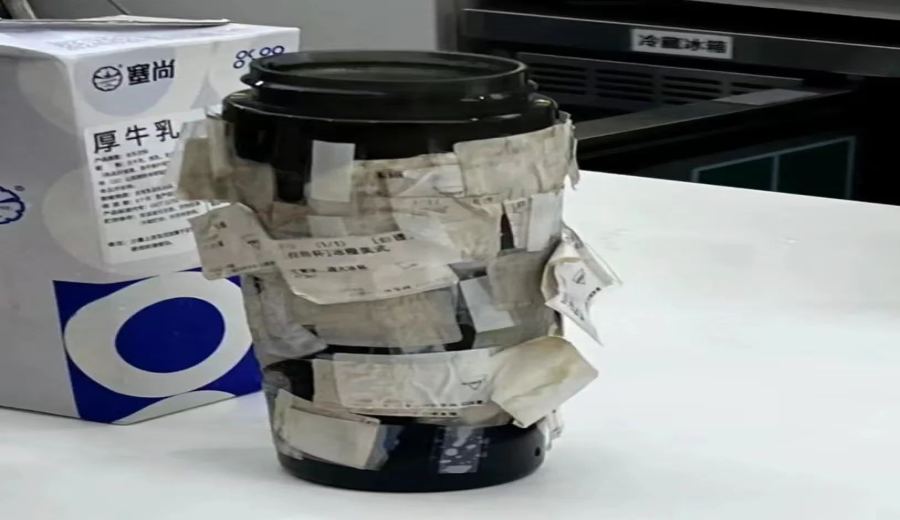
Introduction:At Manner Coffee shops, many customers’ reusable cups are covered in stickers originally meant to differentiate orders—but they’ve gradually evolved into a form of personal expression or even “collection.” However, these thermal paper labels are not only hard to peel off and prone to leaving residue, but prolonged exposure to liquids may also breed bacteria, raising hygiene concerns. This article delves into the practicality and health risks of reusable cup labels, along with practical advice on cleaning and usage.
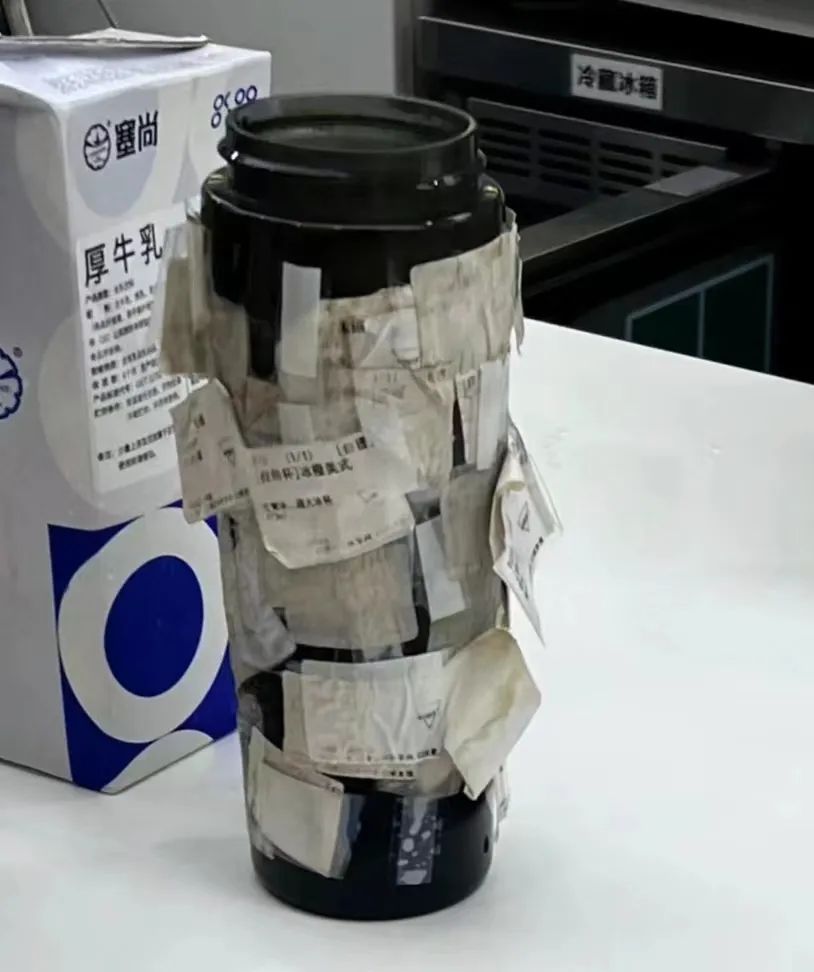
Walking into a Manner Coffee store, it’s not uncommon to see some customers carrying reusable cups plastered with white stickers—up close, they resemble suitcases covered in luggage tags, layered and stacked in a uniquely stylized way. These labels were originally applied by staff to identify different customers’ preferences, such as cup size, sugar level, or special requests. Over time, however, some regulars’ cups have accumulated dozens of stickers, creating an alternative form of “personal branding.”
This phenomenon first caught netizens’ attention when a blogger shared on Xiaohongshu (Little Red Book) a photo of a customer’s cup covered in densely packed labels—both amusing and curious as to the reason behind it. Yet, beneath this “creativity” lie several practical and hygiene-related concerns.
First, most of these labels are made of thermal paper, commonly used for cash register receipts. While not inherently toxic, prolonged contact with the cup surface—especially areas that touch beverages—can lead to the release of chemicals due to friction, water exposure, or high temperatures. Moreover, many users not only keep the labels but also frequently expose them to liquids like milk and coffee. Without proper cleaning, they can easily become breeding grounds for bacteria.
Additionally, while these labels are sticky, stacking too many can cause the lower ones to lose adhesion, curl up, or even peel off. If customers try to forcibly remove them, they may not only leave behind sticky residue but also scratch the cup’s coating—especially damaging to cups with non-stick layers or printed designs, potentially causing permanent harm.
Some netizens have shared their experiences trying to peel off old labels one by one, only to spend a lot of time and ultimately give up due to stubborn adhesive marks. On the other hand, some consumers treat these labels as “souvenirs,” seeing each one as a memory of a visit, even deliberately keeping them to give the cup a more “storytelling” vibe. However, if labels aren’t replaced or cleaned regularly—especially in humid environments—they can indeed develop odors, which may affect the coffee drinking experience.
From the baristas’ perspective, labeling is primarily about efficiency. When there are many reusable cups, it’s hard to tell which cup belongs to which customer just by appearance, so labels help quickly identify order details and reduce mistakes. However, when labels turn into a “collection game” among customers, staff may face both hygiene and visual challenges—especially when labels are torn, stained, or emitting odors, which can raise other customers’ concerns about shop cleanliness.
For regular reusable cup users, experts recommend regularly checking the cup’s labels, especially those that have been in prolonged contact with liquids or have lost their stickiness, and replacing or cleaning them as soon as possible. When cleaning, you can first wet one corner of the label with warm water, then slowly peel it off. If residue remains, use a specialized adhesive remover or apply a bit of olive oil, gently wipe, and avoid scratching the cup. Additionally, if concerned about the potential risks of thermal paper, consider switching to reusable name stickers or simply verbally confirming your drink order with the barista to reduce label usage.
In summary, while the labels on Manner’s reusable cups add a touch of fun and personality, failing to replace or clean them regularly can not only impact hygiene but also damage the cup itself. As customers enjoy personalized service, they should also pay attention to cup cleanliness and maintenance to truly balance convenience, health, and taste.
The above content is compiled by CoffeeHunters, a coffee news website.


