







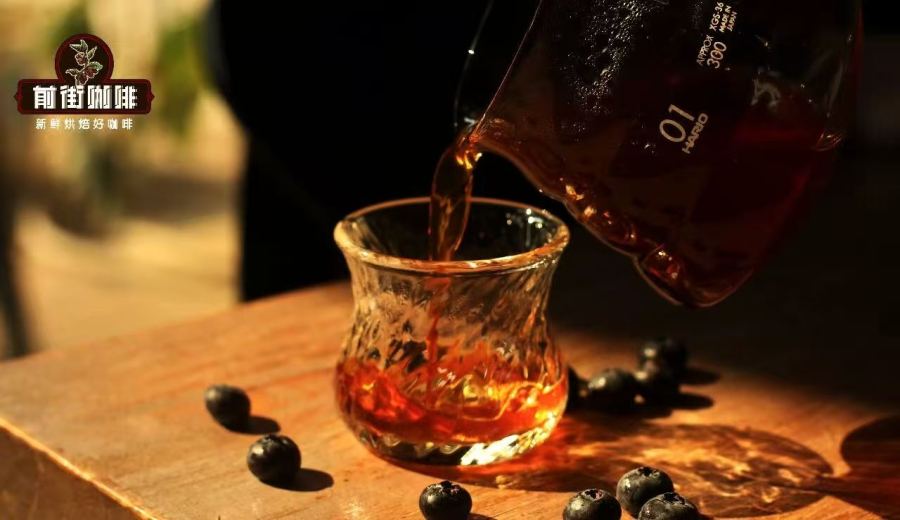
Introduction:Cold brew isn't just chilled black coffee straight from the fridge. This low-acidity, smooth-extracted coffee method is actually a versatile base for summer beverages. This article selects six brewing recipes, ranging from simple to creative — from pure drinking to sparkling cocktails — with practical bean suggestions and proportion references. Learn how to transform a basic batch of cold brew into a refreshing and varied summer coffee menu, even beginners can easily master it.
 Don’t rush to drink your cold brew right after it’s done — although pure black coffee is already refreshingly clean, this low-bitterness, high-sweetness extract has excellent potential for mixing. With minimal impurities and a clean flavor profile, simply adding a few ingredients can lead to a rich variety of summer drink options.
Below we’ve compiled six highly practical ways to use cold brew, categorized by complexity level. Whether you're a coffee lover who prefers minimalist styles or an experimental mixologist who loves innovation, you’ll find inspiration here. The key is mastering the extraction parameters of basic cold brew: we recommend a coffee-to-water ratio of 1:12 to 1:15, steeping at room temperature for 12–16 hours, and refrigerating after filtration for no more than 72 hours to maintain optimal flavor.
Pure Drink Option: The Minimalist Enjoyment That Highlights Coffee’s True Essence
The simplest presentation only requires adding ice cubes. It's recommended to use a wide-mouthed glass to allow the cold brew to interact with air and better release its layered flavors. If you want to highlight the characteristics of the coffee beans, try using beans from regions with distinct fruity acidity — for example, Ethiopian Yirgacheffe sun-dried beans, whose citrus and blueberry notes become more three-dimensional at 4–8°C. Note that it’s best to use coffee-specific ice balls or large cube ice to slow down dilution.
Iced Cold Brew Latte: The Golden Ratio of Dairy and Coffee
Mix cold brew with whole milk in a 2:1 ratio (total volume recommended to be within 300ml), and cool it down with ice cubes. If using plant-based milk, oat milk or coconut milk is preferred for their fat content, which blends better with coffee oils. Practical tests show that when 150ml of cold brew base is mixed with 50ml of milk, the balance of sweetness and creaminess is optimal. Make sure the milk is pre-chilled to avoid condensation on the cup’s exterior due to temperature differences, which can affect taste.
Sparkling Water Cocktail: A Refreshing Combination That Awakens the Senses
Mix cold brew with sugar-free sparkling water in a 1:2 ratio, and it’s recommended to use natural sparkling water with high mineral content. When adding freshly squeezed lemon juice, simply place thin 5mm slices directly into the cup to avoid excessive acidity disrupting the balance. Experimental data shows that when the carbonation pressure of the sparkling water is maintained at 3–4 atmospheres, it most effectively highlights the ester aromatic compounds in the coffee. This combination is especially suitable with Indonesian or Colombian beans that have tropical fruit flavors.
Fruit Coffee Creations: A Flavor Dance Between Fresh Fruit and Coffee
It’s recommended to use brightly acidic seasonal fruits to make fresh juice, mixed with cold brew in a 1:1 volume ratio. For example, mango paired with Ethiopian Yirgacheffe can enhance sweetness, while blueberries with Sumatra Mandheling can highlight the contrasting fun of earthy aromas. Be careful to use the juice right after juicing to avoid oxidation and discoloration. If you want to add texture, sprinkle a small amount of Himalayan rose salt to balance the sweetness.
Tonic Style: An Adult-Oriented Bitter Option
Mix cold brew with tonic water in a 1:1 ratio, and it’s recommended to serve it in a tall highball glass. When adding fresh orange peel, use a zester to take only the outer oily part, about 0.5cm width is enough to provide sufficient aroma. This combo is especially suitable for washed beans with prominent fruity notes, such as Kenyan AA or Costa Rica Tarrazú. Note that tonic water contains quinine, so it’s recommended to limit single servings to no more than 300ml.
Advanced Pure Drink: A Flavor Stage for Specialty Beans
When using high-quality single-origin beans, it’s recommended to extend the extraction time to 18 hours to achieve deeper flavor layers. For example, Panamanian Emerald Estate Gesha beans, under a 1:15 coffee-to-water ratio, can showcase distinct white flower, lychee, and honey aftertastes. Before brewing, ensure the filter is fully wetted; it’s suggested to use a Japanese Hario V60 stainless steel dripper with medium-fine grind (approximately 70% passing through a #20 sieve). The serving temperature after chilling should be controlled between 4–6°C.
Once you’ve mastered these basic formulas, you can adjust ingredient ratios according to the season — increase ice and fruit elements in summer, or switch to hot milk for a variation of latte in winter. The key is understanding the foundational traits of cold brew coffee: low acidity (pH 5.5–6.2) and high soluble solid content. These qualities make it more suitable than traditional hot-brewed coffee as a base for mixed drinks. Remember to record the recipe parameters after each experiment, and soon you’ll have your own curated library of summer coffee recipes.
The above content is compiled by CoffeeHunters, a coffee news website.

