







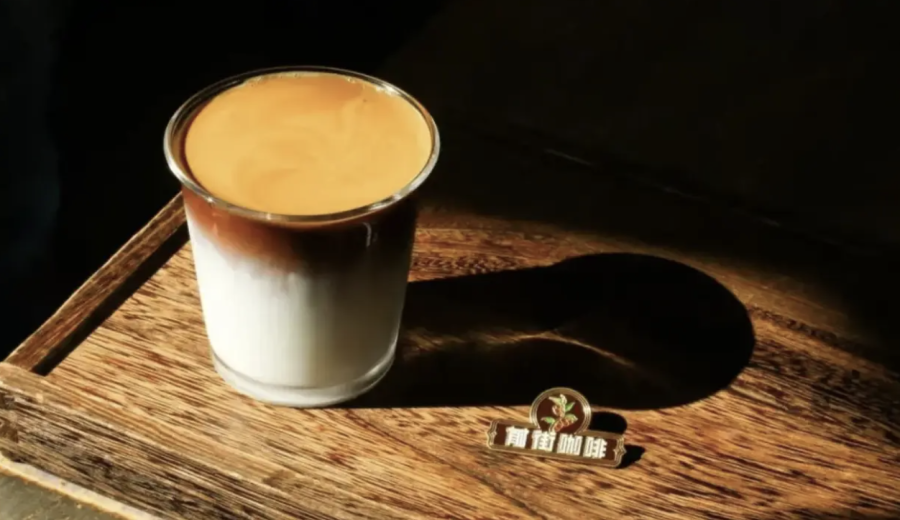
Introduction:Cold brew coffee is easy to make, perfect for summer, and much more cost-effective than buying it. By mastering the coffee-to-water ratio, steeping time, and storage methods, you can easily brew a refreshing cold brew with a clean taste and pronounced sweetness at home. This article explains the principles of cold brewing, the types of coffee beans that work best, the golden ratio parameters, differences between room temperature and refrigerated brewing, as well as tips on filtering and storing, along with useful hacks to help you master making high-quality cold brew at home.
When the weather gets hot, many people crave an iced cold brew, but a cup from a café often costs 20–30 yuan, which adds up over time. In fact, making cold brew at home is incredibly simple—you just need a sealed jar, let it steep overnight, and enjoy it the next day. It saves money and allows you to adjust the flavor to your liking.
This article will fully guide you through the cold brew process, including the optimal coffee-to-water ratio, recommended steeping time, how to store it properly, and what types of coffee beans work best—helping you master all the key points from start to finish.
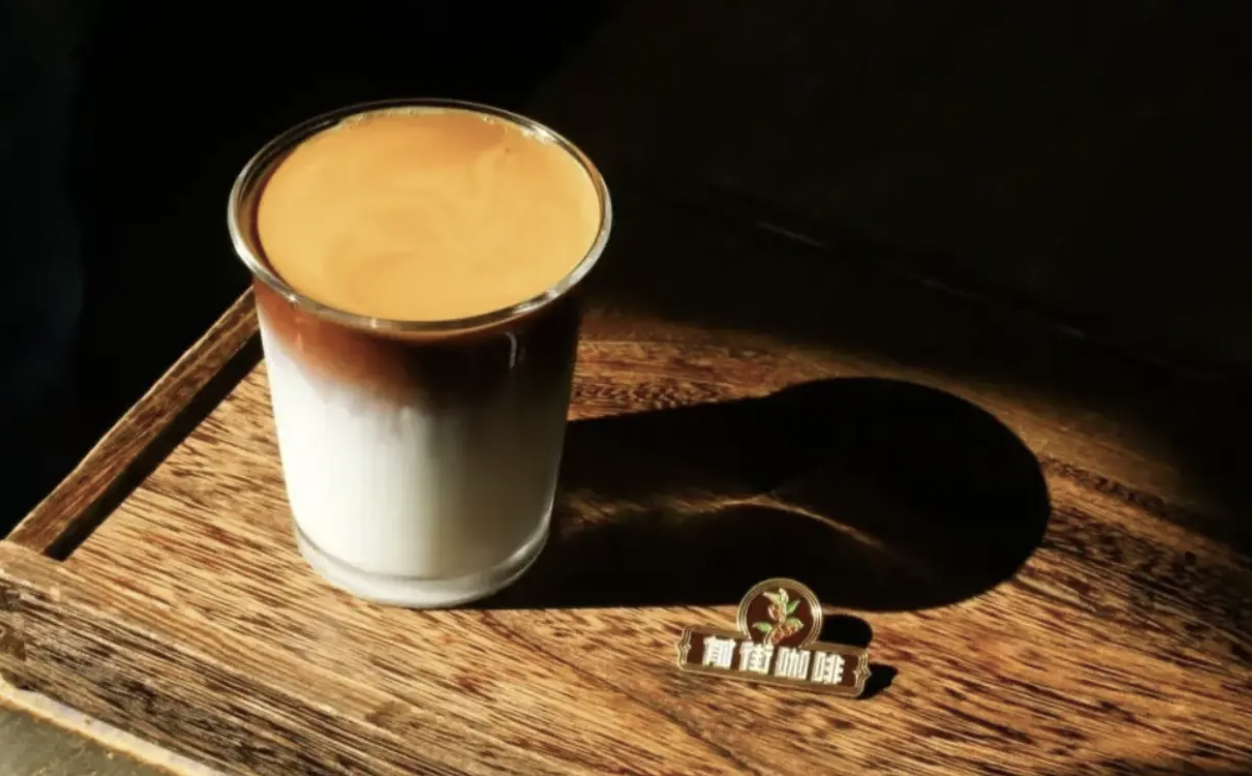
Cold brew is a brewing method where coffee grounds are steeped in cold or ice water for an extended period to slowly extract flavor compounds. Because the entire process takes place in a low-temperature environment, it effectively suppresses the bitter components in coffee, resulting in a smoother acidity, a silky and refreshing mouthfeel, and a sweet and pleasant aftertaste.
To brew a cold brew with balanced flavor, you mainly need to focus on three elements: low temperature helps reduce bitterness, an appropriately extended steeping time allows for fuller flavor release, and a higher coffee-to-water ratio brings out a richer body.
When it comes to bean selection, cold brew is quite adaptable, but if you want to highlight more vibrant fruitiness and freshness, it’s recommended to choose medium to light roasted beans with prominent floral and fruity notes. The slow, low-temperature extraction amplifies these aromatic qualities, making the coffee taste as refreshing as chilled juice.
For example, a bean with citrus, berry, and floral characteristics, ending with a green-tea-like mellowness, soft and bright acidity, is perfect for beginners trying cold brew for the first time. Additionally, some cold brew-specific blends can deliver a sweet, strawberry gummy-like aroma, with ample sweetness and almost no bitterness—making them beginner-friendly options.
Regarding the coffee-to-water ratio, there are two common and practical options: one is 1:10, which falls on the stronger side, delivering a bold coffee flavor suitable for adding milk, ice, or mixing into custom drinks, offering a rich layering of flavors; the other is 1:12, which results in a smoother and more refreshing taste, highlighting fruity and sweet notes, ideal for drinking straight.
If you’re a beginner, it’s recommended to start with 1:10 for a bolder concentration, and then adjust by adding water or milk according to your personal taste. This approach offers a higher margin for error. If you brew it too weak initially, it’s harder to fix later, so it’s better for newcomers to start with a slightly stronger recipe.
Steeping time is another important factor affecting flavor. It’s generally recommended to steep at room temperature for 8 to 12 hours, which allows the fruity and sweet notes to fully develop—especially suitable for leaving the sealed jar in a cool spot during summer. However, be careful not to steep beyond 12 hours, as it may lead to off-flavors or unpleasant astringency.
If you prefer a more stable process and want to avoid over-extraction, you can mix the coffee grounds with cold water and refrigerate for 12 to 24 hours. This method is especially convenient for office workers—just prepare it before bed and enjoy it the next morning. Note that refrigerated steeping should also not exceed 24 hours, or the coffee may start to turn bitter.
After brewing, it’s recommended to use filter paper or a fine mesh sieve to thoroughly remove the coffee grounds, then pour the cold brew into a clean, sealed bottle and store it in the refrigerator. Under refrigeration, cold brew typically stays good for 3 to 5 dayswhile maintaining good flavor. You can enjoy it as is or customize it with ice, milk, or sparkling water to create different flavor profiles.
Additionally, here are two useful tips: First, for grind size, cold brew coffee should be slightly coarser than pour over, roughly the size of coarse sugar. Too fine a grind can lead to over-extraction of unwanted particles, resulting in a murky or astringent taste. Second, if you want to enhance the fruitiness even more, you can let the coffee grounds sit in cold water at room temperature for about 1 hour before refrigerating. This allows some of the aromas to release early, helping to boost the overall flavor richness.
In summary, the key formula for making cold brew coffee is: choose a fruit-forward bean with distinct flavors, use a 1:10 or 1:12 coffee-to-water ratio, control the steeping time based on room temperature or refrigeration conditions for 8 to 24 hours , and finally filter out the grounds and refrigerate. Master these points, and you can easily enjoy a refreshing and smooth cold brew at home.
The above content is compiled by CoffeeHunters, a coffee news website.

