







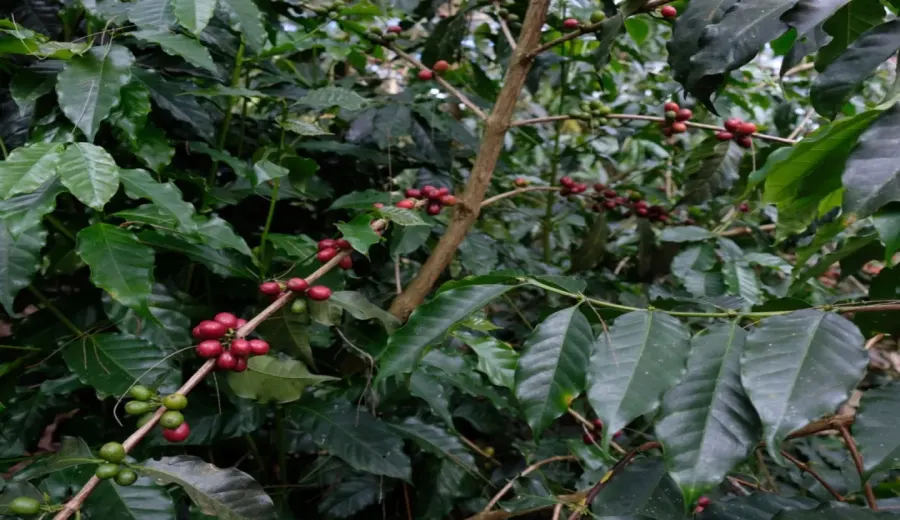
Introduction:A deep dive into the “Bird of Paradise” Typica beans produced by Sigri Estate in the Western Highlands of Papua New Guinea. This exploration covers everything from the regional geography and microclimate to cultivation history, washed processing, and roast profiles—offering a comprehensive analysis of this specialty coffee hailed as the “Little Blue Mountain.” Readers will learn about its distinctive flavor profile, ideal brewing methods and parameters, as well as how to identify high-quality Papua New Guinean coffee.
Although not the world’s largest coffee-producing nation, Papua New Guinea has earned the nickname “Little Blue Mountain” thanks to its successful introduction of the Jamaican Blue Mountain Typica variety. The western highlands region, especially the Western Highlands Province, stands out as a key specialty coffee origin, with Sigri Estate being one of its representatives. Established in 1950, this estate has long adhered to high-altitude volcanic soil cultivation, pesticide-free management, and handpicked harvesting—all of which contribute to its consistent and distinctive coffee flavor.
Located in the Waghi Valley, Sigri Estate sits at an elevation exceeding 1,500 meters, where cool and humid climate conditions, combined with mineral-rich volcanic soils, provide an ideal environment for Typica cultivation. Since 1957, the estate has planted a special Typica variety originating from Jamaica’s Blue Mountains. These beans are packaged with the Bird of Paradise, Papua New Guinea’s national bird, printed on the sacks as a symbol of their rarity and purity. This coffee was later introduced as a washed process version by a certain coffee brand. With a medium-dark roast, it exhibits aromatic layers of caramel, cocoa, and almond, paired with a pronounced citrus acidity, delivering a rich yet balanced cup.
Asia is home to many coffee-growing regions, including Yunnan in China, Vietnam, Indonesia, and Papua New Guinea. Among them, Papua New Guinea stands out for having introduced Blue Mountain Typica, giving it quality potential akin to that of Blue Mountain, hence the title “Little Blue Mountain.” However, unlike Southeast Asian regions that predominantly grow Robusta, Papua New Guinea focuses primarily on Arabica—especially Typica along with small amounts of Bourbon and Catimor varieties—concentrated in the western and eastern highlands. These areas offer elevations and climates particularly well-suited for premium coffee cultivation.
Overall, Papua New Guinea is located in the southwestern Pacific and is part of the Melanesian archipelago, comprising over 600 islands of varying sizes. It borders Australia to the south and Indonesia to the west, and features a mountainous terrain with active volcanoes. The country’s topography is divided into coastal plains, central mountains, and northern hills, with mountainous regions above 1,000 meters enjoying a typical highland climate. Temperatures here are about 5–6°C lower than in coastal areas, with an average annual rainfall of 2,500 millimeters. The distinct dry and wet seasons—dry from May to October and wet from November to April of the following year—create microclimatic conditions highly favorable for coffee growth.
In terms of production distribution, Papua New Guinea’s coffee cultivation is mainly concentrated in five major highland provinces: Western Highlands, Eastern Highlands, Chimbu, Morobe, and East Sepik. Among these, the Western Highlands Province is not only the country’s largest coffee producer but also the representative origin for Typica, hosting numerous high-quality small and large estates. With elevations averaging between 1,000 and 1,800 meters and an ancient dormant volcano contributing fertile, well-draining soils, the province provides an excellent foundation for cultivating premium coffee. Sigri Estate is situated right here.
As a pioneer in Papua New Guinea’s coffee industry, Sigri Estate is under the umbrella of WR Carpenter Company (PNG), the nation’s largest exporter of tea and coffee. This enterprise controls approximately 80% of the country’s coffee and tea exports, shipping out 1.6 million kilograms of high-quality Arabica coffee beans annually. The Waghi Valley, where Sigri Estate is located, stands at over 1,500 meters above sea level. Aside from its cool climate, it boasts mineral-rich volcanic soils. Paired with years of accumulated experience in cultivation and post-harvest processing, the estate is able to consistently produce coffee with uniform and high-end flavor profiles.
Since its inception, Sigri Estate has committed to pesticide- and chemical insecticide-free practices, and strictly controls its harvesting procedures by selecting only fully ripe red coffee cherries. All harvested coffee is processed on the same day to ensure bean quality. This meticulous attention to detail has earned the estate’s coffee widespread acclaim in international markets. Notably, since introducing the Jamaican Blue Mountain Typica in 1957, this variety has become the estate’s flagship offering—its coffee sacks even feature the Bird of Paradise symbol as a mark of authenticity and high quality.
The currently available Papua New Guinea Sigri Estate Bird of Paradise coffee beans, produced by a certain coffee brand, are of the washed Typica variety. A medium-dark roast is recommended to bring out their optimal flavor profile. For actual brewing, using a KONO filter, a 1:15 coffee-to-water ratio, and maintaining a water temperature of 91°C will fully showcase the coffee’s caramel, cocoa, and almond aromas. The cup is rich and smooth on the palate, with gentle acidity and a refreshing citrus note. As the temperature drops, the sweet and acidic layers become even more pronounced, resulting in an overall very balanced cup—perfectly suited for coffee enthusiasts who appreciate nuanced flavors and complexity.
For readers looking to try hand-brewing this coffee, a medium-fine grind is recommended. Use a pulsed pouring method: begin with a 30-second bloom using 30 grams of water, then gradually pour up to a total of 225 grams of water (maintaining a 1:15 coffee-to-water ratio). Keep the total brew time between 2 and 2 minutes 30 seconds to help clarify the flavors. Additionally, since it is a medium-dark roast, if you prefer a brighter acidity and more fruity notes, you may adjust to a light-to-medium roast or reduce the water temperature to 88–90°C to highlight citrus and floral characteristics.
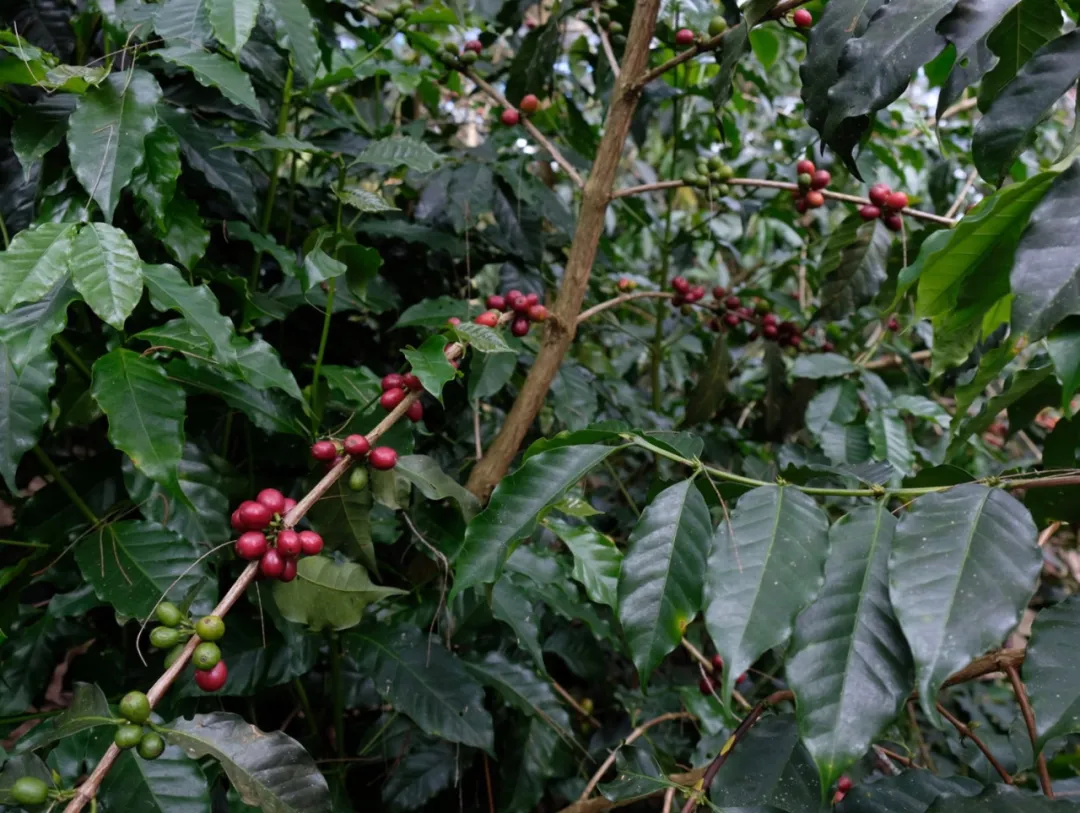
The above content is compiled by CoffeeHunters, a coffee news website.


