








Introduction:When a customer leaves behind a cup of coffee with too much left untouched, many baristas can’t help but doubt themselves. This article provides a clear analysis of the common reasons why customers don’t finish their hot lattes, covering consumer behavior, environmental factors, and the drink itself, helping baristas make rational judgments and adjust service strategies to avoid unnecessary emotional distress.
In a café, when a customer finishes a cup of coffee happily and leaves behind an empty cup, it’s the most gratifying moment for any barista. However, if you see a carefully crafted hot latte—still beautifully latte-arted—with more than half left in the cup, many baristas immediately sound the alarm: Is the flavor off? Was there a problem with the extraction? Or was the concentration not right?
Especially for those who are new to the industry or in the early stages of store operations, facing such a situation can easily lead to emotional lows, or even self-doubt that lasts the whole day. But in fact, the reasons why customers don’t finish their coffee are often more diverse than imagined and may not be directly related to the quality of the coffee.
Sometimes, customers leave in a hurry due to unexpected events, such as receiving an urgent phone call or being late for work, leaving them no time to finish their drink. Many also get so engrossed in conversations with friends that they lose track of time, and by the time they realize, the coffee has gone cold, making it unappealing to drink.
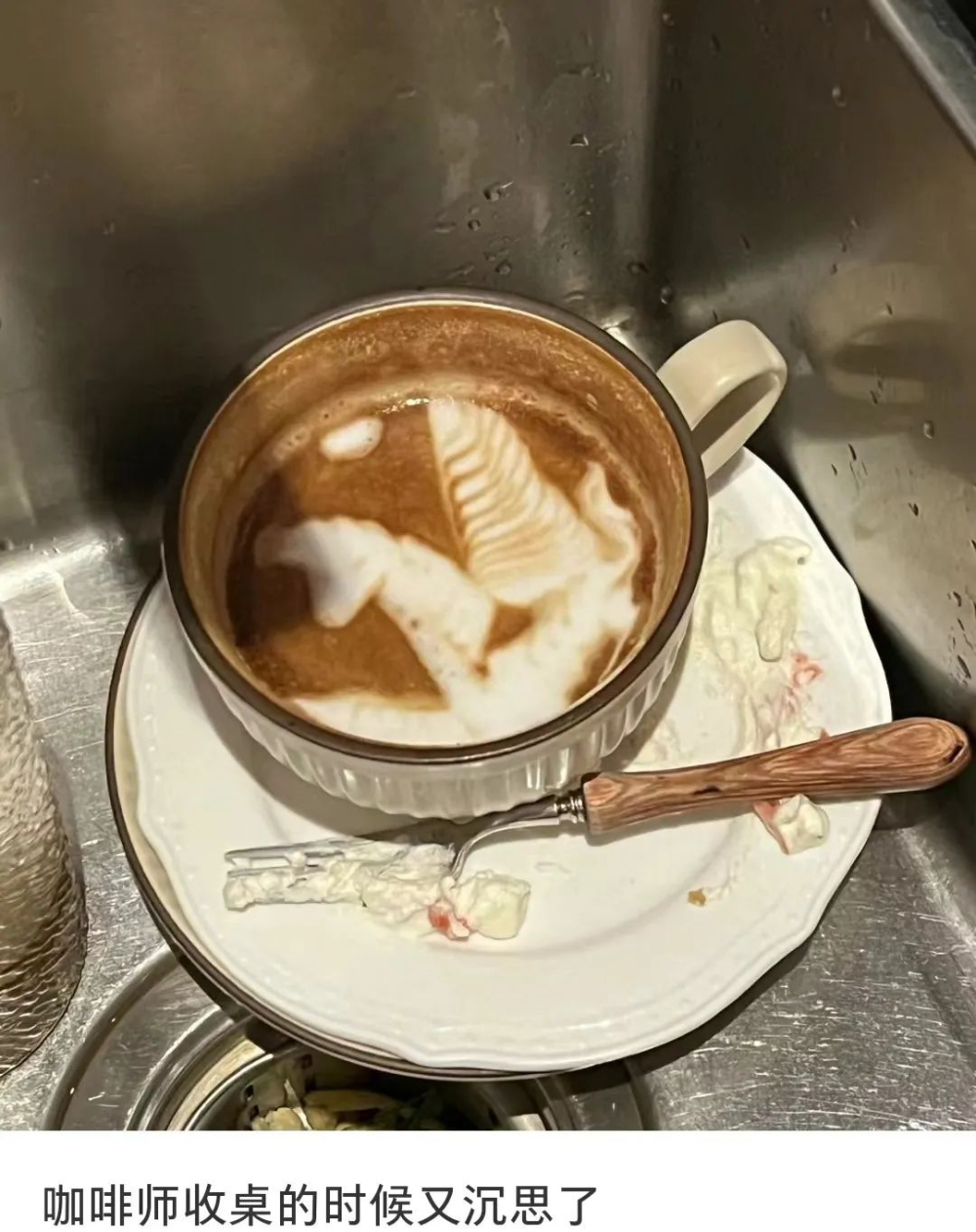
Additionally, some consumers find the coffee portion sizes offered by cafés too large. For those with smaller appetites or a preference for smaller drinks, it’s difficult to finish a whole cup in one go. Some customers also stop drinking after a few sips because of physical reactions such as a racing heart or sweaty palms, suspecting they’ve consumed too much caffeine.
It’s worth noting that many industry colleagues who were once baristas themselves say that although they rationally understand the saying “you can’t please everyone” and often use it to console themselves, seeing a large amount of drink go untouched still brings feelings of disappointment and frustration. Especially for beginner baristas, a largely unfinished cup can become the biggest psychological burden of the day.
However, professional coffee practitioners suggest not to over-interpret a single case. One unfinished cup is just one example among many, and it doesn’t fully reflect a barista’s technical skill or product quality. Moreover, each person’s taste preferences, their physical and mental state at the time, and even environmental factors can all influence how a drink is consumed.
Establishments known for their consistent quality also remind baristas to focus on continuously refining brewing and extraction techniques—for example, controlling the appropriate grind size, mastering water flow rate and pressure parameters, and understanding the flavor profiles of different coffee beans. These are the keys to long-term customer approval. When faced with occasional unfinished cups, it’s better to view them as references for adjusting service and product offerings, rather than as a negation of one’s own abilities.
In summary, the next time you see a beautifully latte-arted cup of coffee that’s only been half drunk, take a deep breath and recall the possible reasons mentioned in this article. A barista’s personal growth doesn’t lie in every cup being finished, but in consistently providing each customer with the most suitable drink experience, with professionalism and passion.
The above content is compiled by CoffeeHunters, a coffee news website.


