








Introduction:Drip bags are often the go-to choice for many coffee beginners, allowing you to enjoy freshly ground flavor without the need for specialized equipment. This article provides a detailed guide to four major brewing methods for drip bags — pour over, immersion, cold brew, and milk coffee preparation — explaining factors such as water temperature, coffee-to-water ratio, and time control in detail. Practical tips are also included to help readers brew drip bags at home that are either layered and complex or rich and smooth.
Thanks to their portability and ease of use, drip bags have become a daily coffee favorite for many. Although pre-ground, they may not be as aromatic as freshly ground coffee, but by mastering the correct brewing method, they can still deliver excellent flavors. Netizens often jokingly refer to them as the “instant noodles of the coffee world” — convenient and quick, yet still delicious.
In fact, there are many ways to brew drip bags, much like the versatile ways to eat instant noodles. Beyond the common pour over method, you can also try immersion, cold brew, and even craft rich milk coffees. These “brewing recipes” were previously introduced individually, but this time we’ve compiled them together to help you explore the full range of possibilities with drip bags in one go.
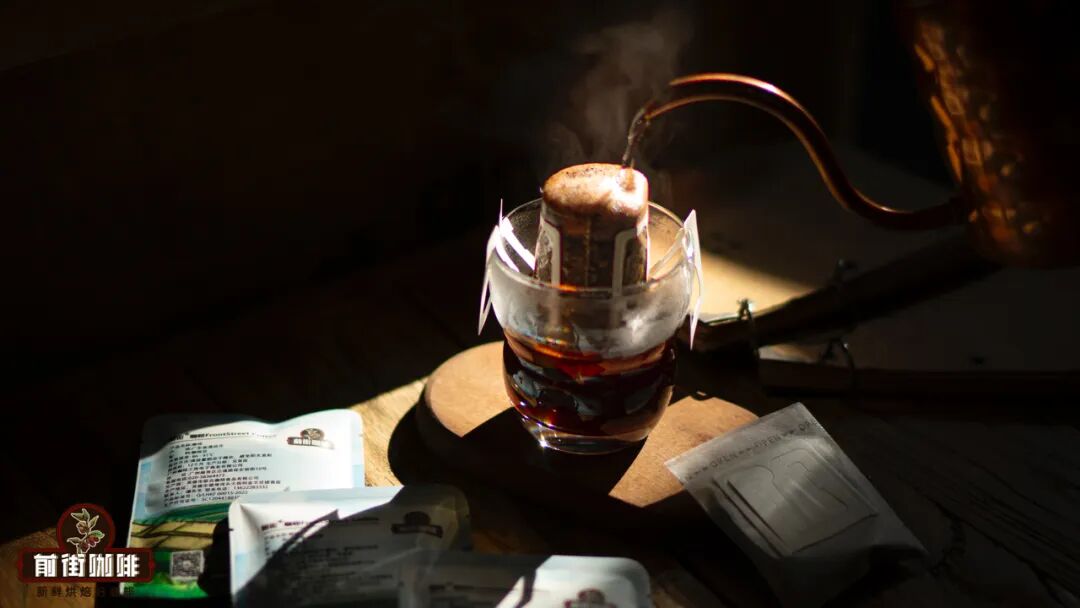
I. Pour Over Method: The Classic Choice for Rich Layers
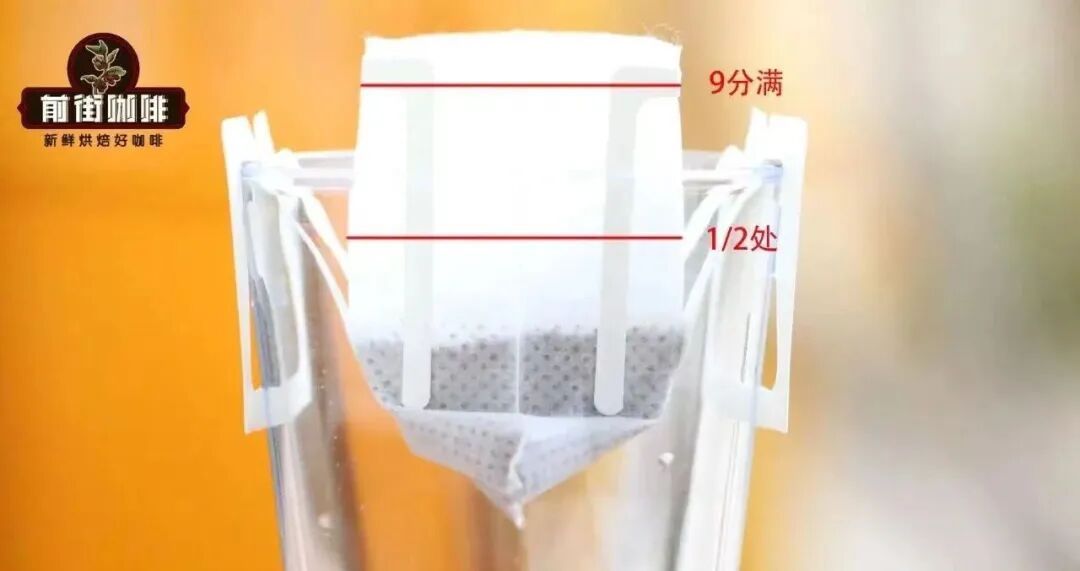
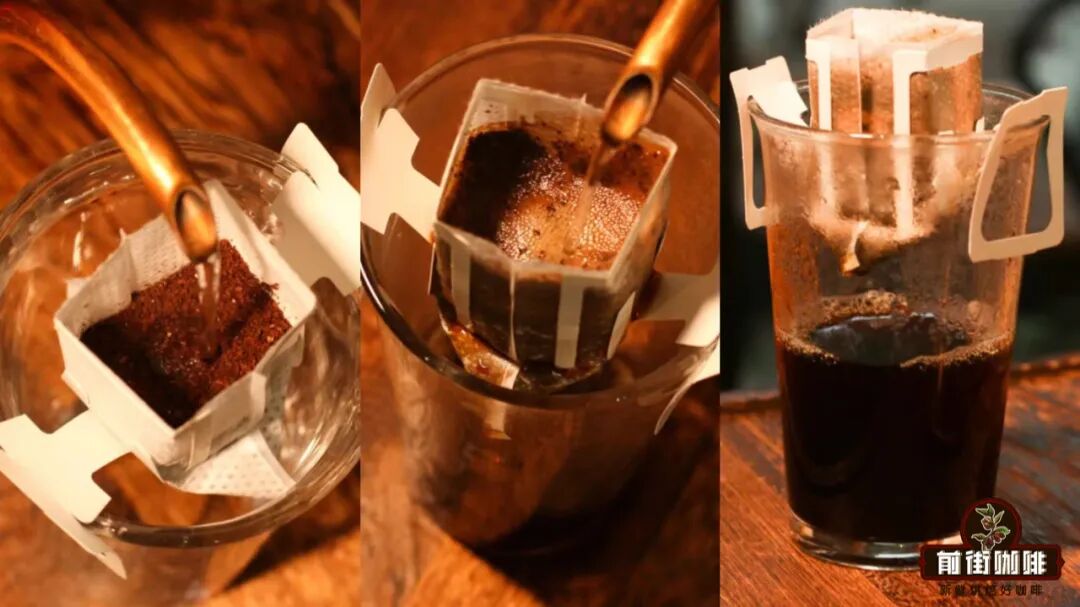
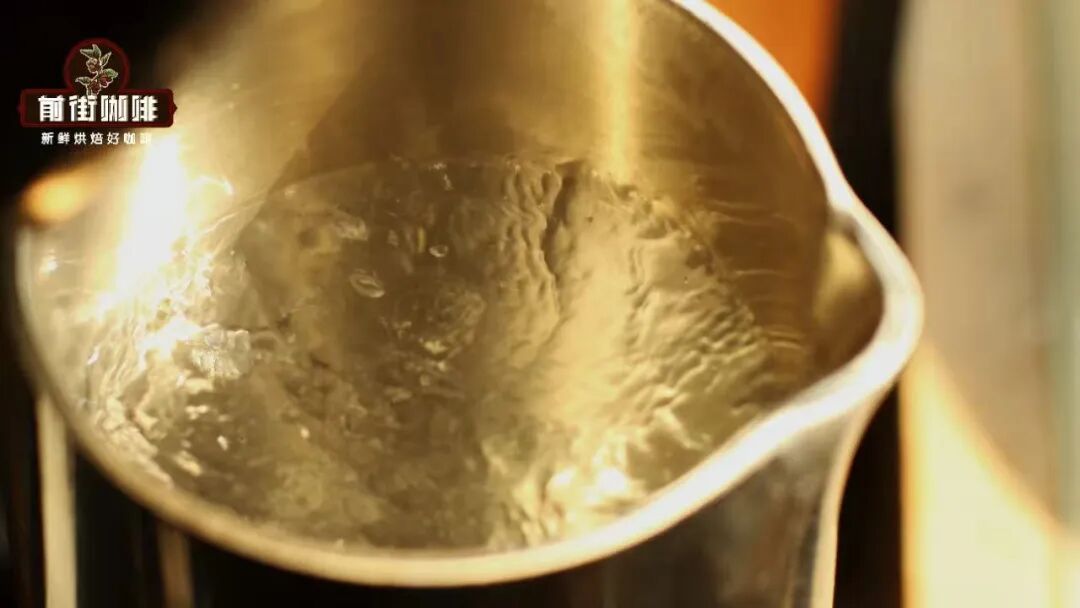
This is the most traditional way to brew drip bags, using manual pouring to extract flavors, which can release rich characteristics in a short amount of time. The key lies in precise control of parameters: it’s recommended to usehot water at 90–93°C (reduce to 88–90°C for dark roasts),a coffee-to-water ratio of 1:15,and a total extraction time of about 2 minutes. Taking a common 10g drip bag as an example, you’ll need to pour 150ml of hot water, suggested to be done in five pours, each about 30ml (you can observe when the water level reaches halfway up the drip bag as a reference).
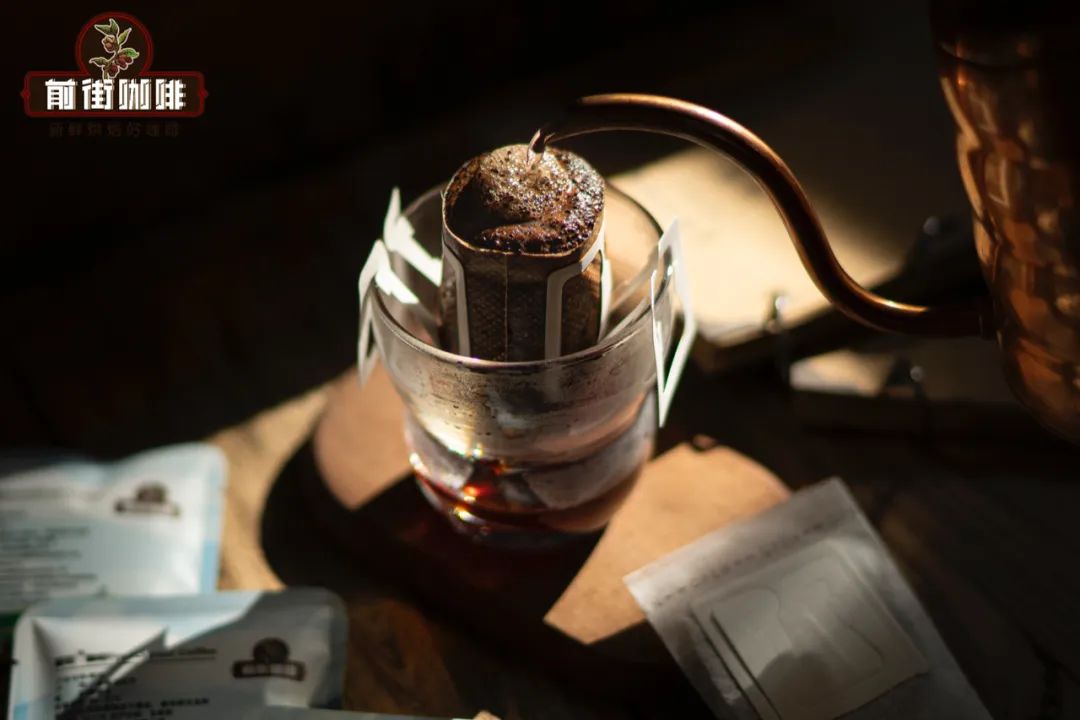
Specific steps: Start by pouring 30ml of hot water until the drip bag is half full, let it sit for 20–30 seconds to release the CO₂ from the coffee grounds; then continue with four more pours, each time filling to about halfway and waiting for the water to fully drain before the next. Finally, remove the drip bag. This method brings out the layered flavors of the Kongou coffee, with bright acidity and sweet notes of citrus, cream, and strawberry, and a lingering finish reminiscent of oolong tea.
II. Immersion Method: A Simple, High-Body Option
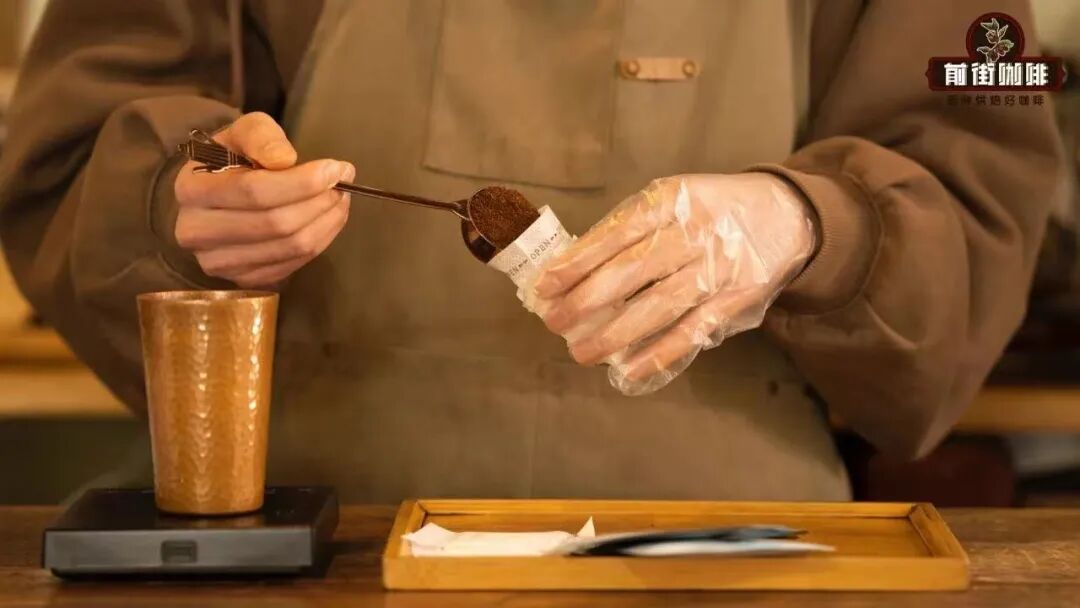
This involves directly pouring hot water over the coffee grounds in a container and letting it steep. It has a low barrier to entry and high tolerance for mistakes. The main things to control aretime (7–9 minutes) and water volume, and you can use boiling water (94°C or above) for the temperature.For a stronger taste, opt for a coffee-to-water ratio of 1:14–15 (10g coffee with 140–150ml water), while for a lighter cup, use 1:16–17 (10g coffee with 160–170ml water).
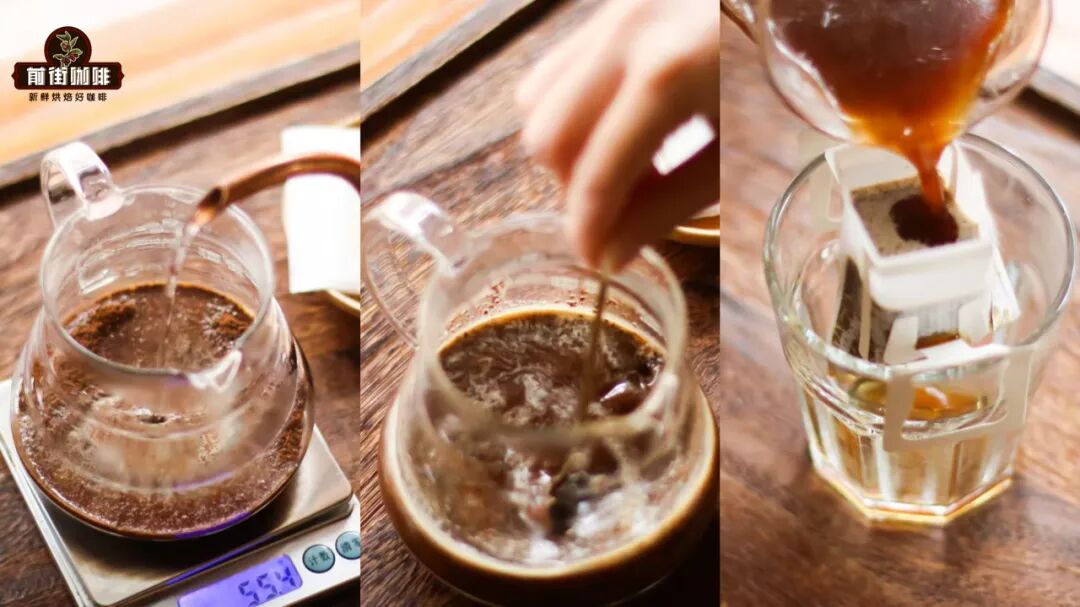
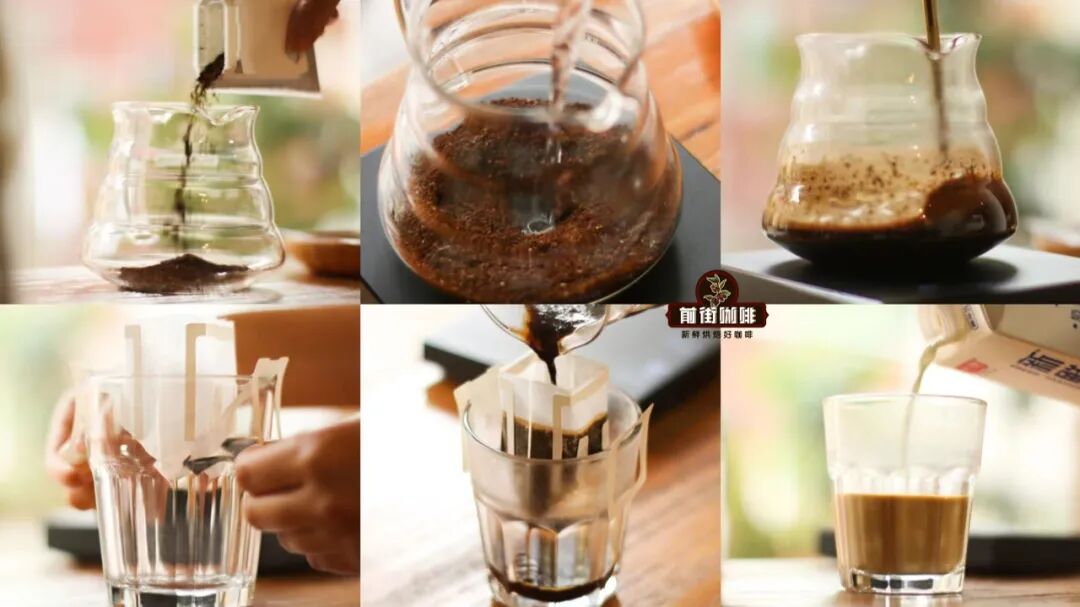
How to do it: Open the drip bag and pour the coffee grounds into a container (preferably one with a spout design), add hot water, stir 10 times, and start timing; stir again at the 5-minute mark, and remove the drip bag to filter out the grounds at 8 minutes. This method results in a coffee with a more pronounced body and sweetness. The citrus and berry aromas of the Kongou are still clear, and the aftertaste is longer-lasting.
III. Cold Brew Method: A Refreshing, Wine-Like Alternative
This involves cold brewing drip bag coffee with room-temperature water, ideal for summer. Use a base of30g of coffee to 300ml of water (a 1:10 ratio), and allow it to steep in the fridge forat least 8 hours(recommended 8–12 hours). Due to the high ratio, you’ll need more coffee grounds to make a single serving.
Steps: Pour the drip bag coffee into a sealed bottle, add room-temperature water, and stir well. During refrigeration, gently shake the bottle every few hours to promote extraction. After brewing, filter out the grounds through the drip bag, and optionally chill it for another 2 hours to enhance depth. Cold-brewed Kongou not only retains its fruity aromas but also develops a unique fermented wine-like note, with a cool, silky mouthfeel and a finish that combines oolong tea and wine tones.
IV. Milk Coffee Preparation: Practical Tips for a Creamy Flavor
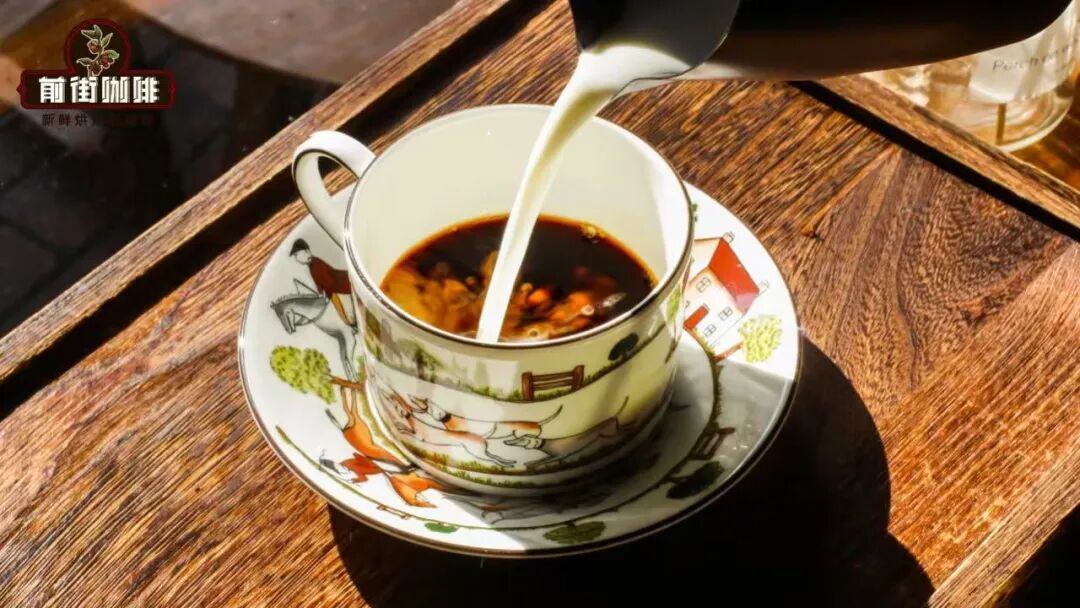
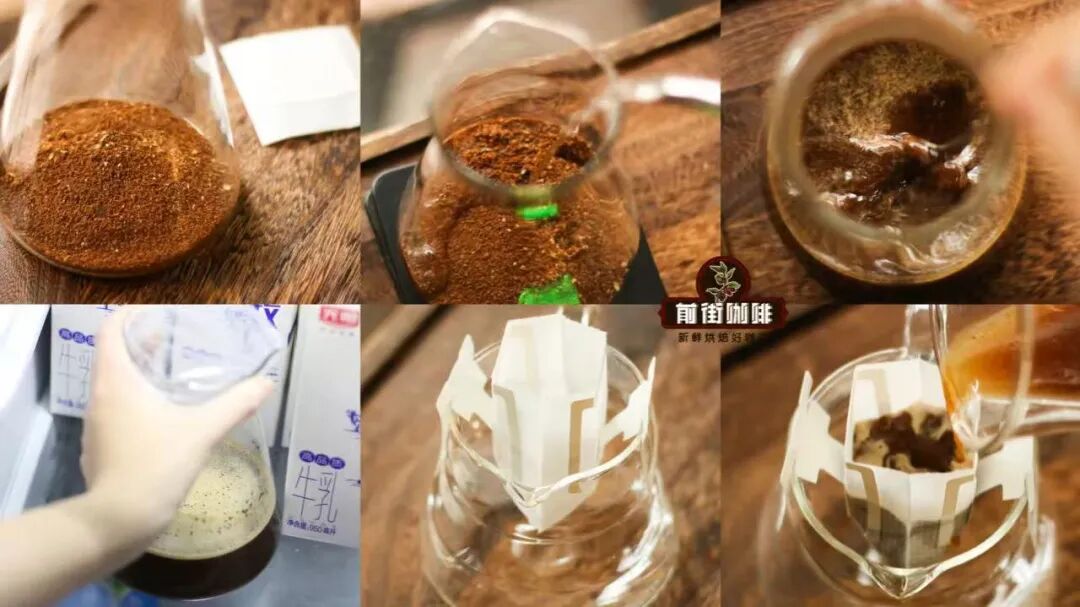
Method one is to replace the room-temperature water in the cold brew process with milk, keeping the parameters and steps the same. Method two involves first brewing a strong black coffee, then mixing it with milk. For this, it’s recommended to usedark roast beans (such as PWN·Golden Mandheling), brewed with20g of coffee, a 1:5 ratio, 100°C water, and extracted for 2 minutesto create a concentrated base.

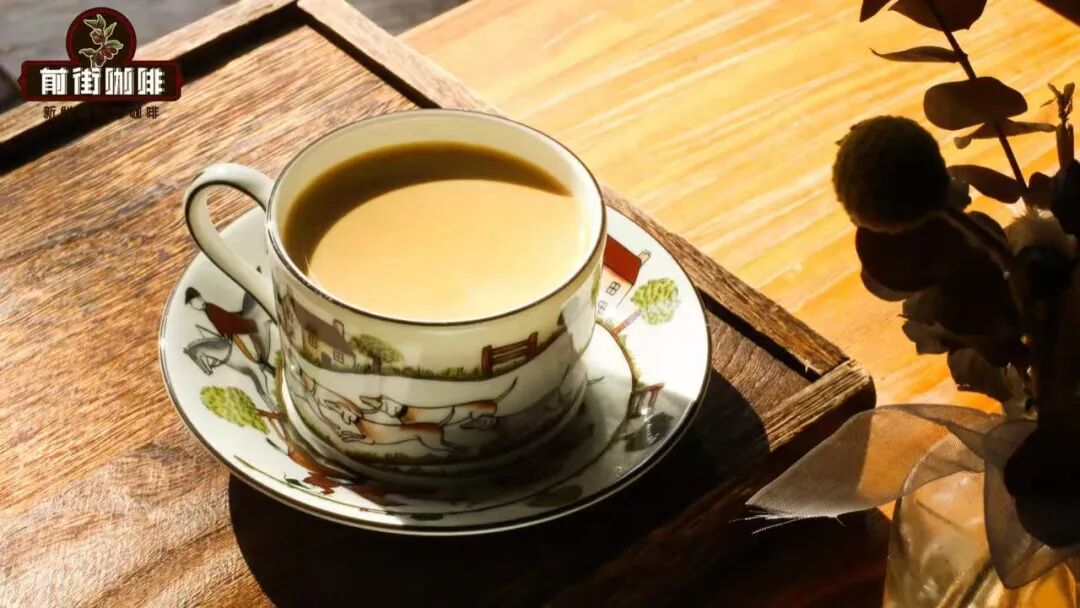
Operation details: Place two drip bags’ worth of coffee into a container, pour in 100ml of boiling water, and stir for 30 seconds to speed up extraction; let it sit for 1 minute and 30 seconds to 2 minutes, then filter out the concentrated coffee using the drip bag; finally, add 180ml of hot milk (a ratio of 1:3, or increase the milk proportion for lighter roasts). While not as intense as espresso-based milk coffee, this method still delivers prominent chocolate and nutty flavors, with a silky smooth mouthfeel.
In summary, drip bags offer great flexibility in brewing. Whether you’re after the convenience of the immersion method, the refreshment of cold brew, or the classics of pour over and milk coffee, just master the key parameters and steps, and you can enjoy a professional-grade coffee experience at home.
The above content is compiled by CoffeeHunters, a coffee news website.


