







Introduction:Robusta beans are often thought to be suitable only for espresso, but in fact, pour over brewing can also reveal their potential. This article explores the characteristics of deeply roasted Vietnamese Robusta beans through a pour over experiment, detailing their wet aroma, mouthfeel, and performance as the cup cools, while also comparing them with Arabica. Practical brewing parameters are shared to help explain why Robusta is less commonly seen in specialty pour over coffee, though some high-quality Robusta beans are showing signs of improvement.
When it comes to Robusta coffee beans, many people’s first reaction is, “Isn’t that just for making espresso?” Indeed, due to its high caffeine content and rich crema, Robusta has long been primarily used in espresso blends—especially in markets where bold flavor and large cups are favored. But what would it be like to use it for pour over? Recently, some coffee shops have experimented with pour over brewing using deeply roasted Robusta from Vietnam, documenting its performance in terms of wet aroma, initial flavors, and flavor development as the cup cools, while analyzing why it is rarely seen in the pour over scene.
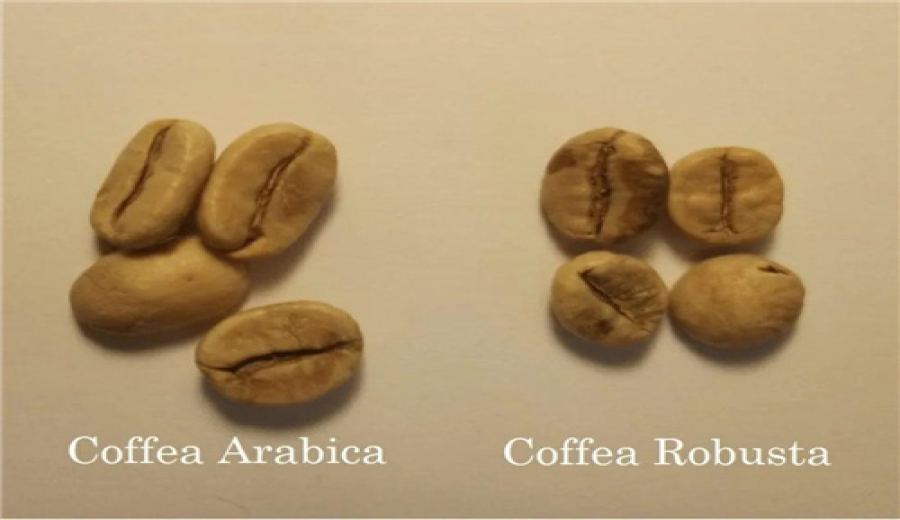
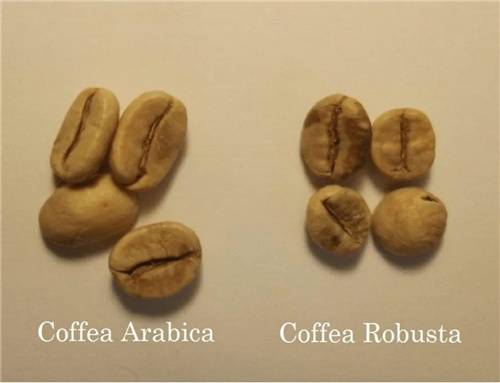
First, let’s understand what “Robusta” means. This is the industry’s shorthand for Robusta coffee, a term that has gradually emerged due to its distinct appearance and flavor profile compared to the more common Arabica. Visually, the centerline of Robusta beans is noticeably straighter, while that of Arabica beans tends to be curved—this is one of the easily observable characteristics. Currently, the commercial coffee market is mainly divided into two major varieties: Arabica and Robusta. However, the latter is less commonly found in the high-end specialty pour over segment due to its relatively simpler flavor profile.
However, Robusta also has irreplaceable advantages. The most obvious are itshigh oil contentandfull-bodied mouthfeel, which contribute to the intense caramel aroma and rich body of espresso, making it a common base bean in espresso blends. In addition, theprice of Robusta is usually only about half that of Arabica, making it an extremely attractive option for budget-conscious consumers or café owners. For example, in a common espresso blend, a classic recipe might include Brazil, Mandheling, and a small amount of Robusta—delivering notes of nuts and bread while adding body and attractive crema, making it ideal for beginners.
Beyond classic recipes, there are also blends tailored for café operations, such as those combining Colombia, Brazil, and Robusta. Leveraging Colombia’s chocolatey notes, Brazil’s creamy texture, and the fullness and crema from Robusta, even novice baristas can easily produce well-balanced espresso. However, these very traits also mean that Robusta is rarely used alone in pour over coffee—the reason being its relatively simple flavor profile, often accompanied by noticeable bitterness and off-flavors.
So, what kind of flavors can you expect if you actually brew Robusta using the pour over method? One coffee shop used deeply roasted Robusta beans from Vietnam, paired with a Kono filter, and conducted an experiment using the following parameters:15 grams of coffee, ground to around setting 11 on the EK43 (approximately 70% extraction through a #20 sieve), a 1:15 coffee-to-water ratio, and a water temperature controlled at 88°C, using a three-stage pouring technique.
The first pour involved adding double the coffee’s weight in blooming water (about 30 ml), followed by a 30-second bloom. The second pour used a thin stream in a wide circular motion to add 120 ml of hot water. The final pour involved a more concentrated stream in a smaller circle, adding the remaining 75 ml directly into the center of the filter. Throughout the process, the wet aroma exhibited prominent hazelnut and caramel notes, with fast diffusion that was quite appealing. The first sip revealed clear caramel and grainy tones, reminiscent of barley tea, with a full-bodied mouthfeel and moderately controlled bitterness—actually not bad for a first impression.
However, as the coffee cooled, flaws began to emerge. The graininess became more pronounced, accompanied by slight rubbery off-notes, the overall cleanliness declined, and the finish introduced earthy undertones along with noticeable bitterness and astringency, significantly compromising the overall flavor balance. These characteristics are actually tied to Robusta’s inherent traits: itscaffeine and chlorogenic acid content are generally higher than those of Arabica, and these two compounds are the main sources of bitterness. As a result, even when roasted to light or medium levels, Robusta tends to exhibit strong bitterness. Moreover, the Robusta beans used in this experiment were of commercial grade, grown at altitudes below 800 meters, resulting in fast growth and limited nutrient absorption—key factors influencing the flavor outcome.
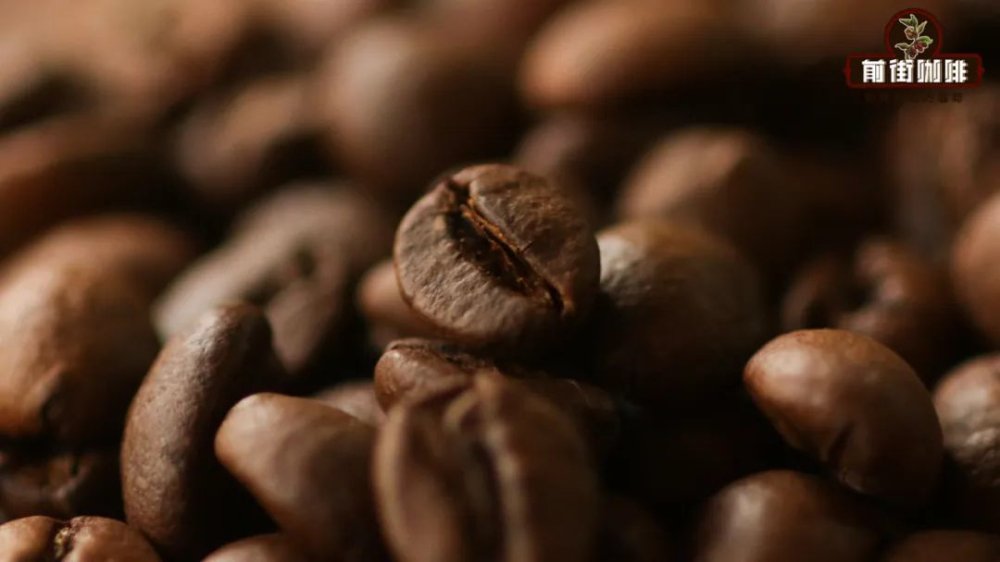
That said, Robusta is not entirely without potential for specialty-grade quality. In recent years, some farms have experimented with cultivating Robusta using methods similar to those for Arabica, successfully developing “specialty-grade” Robusta beans with higher quality potential. While the flavor profile of these beans still centers around caramel, grains, and hazelnuts, their overall presentation is cleaner, with significantly reduced off-flavors. With proper extraction, they can even deliver a fairly enjoyable cup. However, such high-quality Robusta is rare and mostly confined to specific regions, making it difficult to find in regular or international markets at present.
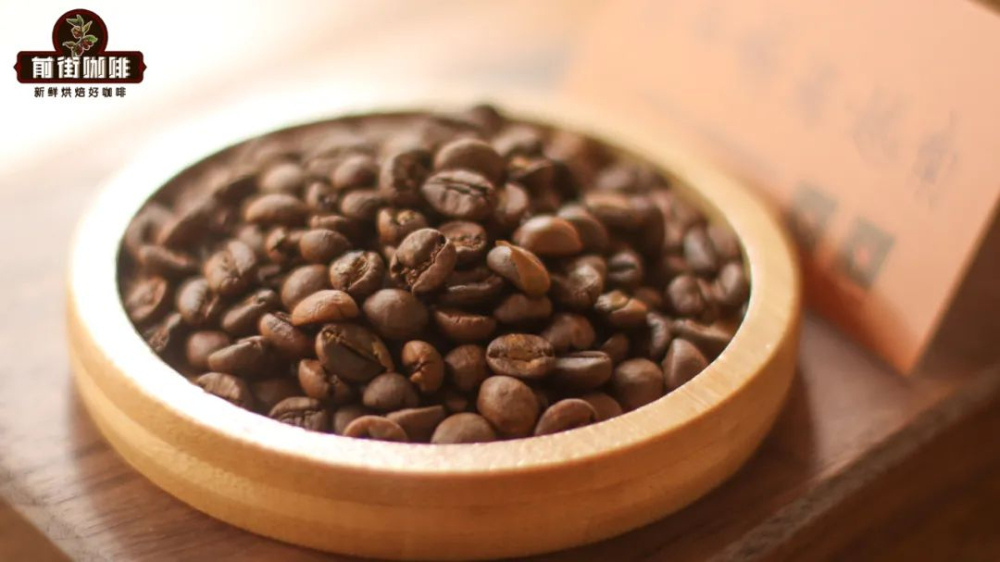
In summary, while Robusta is uncommon in the pour over realm, with appropriate roasting and brewing parameters, its unique flavor dimensions can still be explored. The experiment in this article used deeply roasted Vietnamese Robusta, which, although somewhat coarse after cooling, still displayed rich caramel and grainy aromas when freshly brewed, with a full-bodied mouthfeel. For coffee enthusiasts looking to explore different flavor profiles, it presents an interesting challenge. If you’re curious about the true character of Robusta, why not try it yourself—you might discover it’s not all about “intense bitterness.”
The above content is compiled by CoffeeHunters, a coffee news website.


