







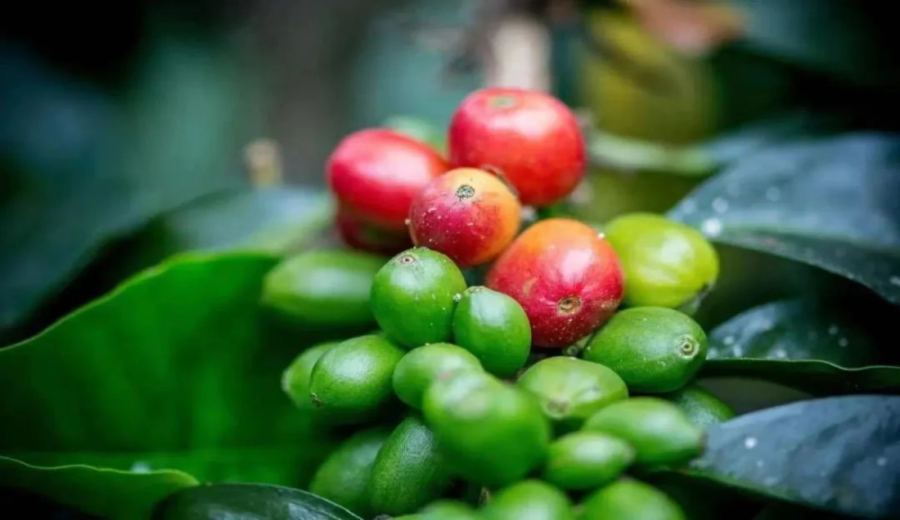
Introduction:Sidra, a popular variety in the specialty coffee scene, is often misunderstood as a "contaminated Geisha" — even its origin remains debated. This article delves into the origins of the Sidra variety, how it got its name, its connection to Geisha, and how it performs in different regions. It helps you better understand this uniquely flavored coffee bean and master the key points in selection and brewing.
In the world of specialty coffee, the Sidra variety has gradually gained prominence in recent years, but not without confusion: is it from Ecuador or Colombia? Why do some jokingly call it a "contaminated Geisha"? Behind these questions lies a complex story about varietal development, naming, and market circulation.
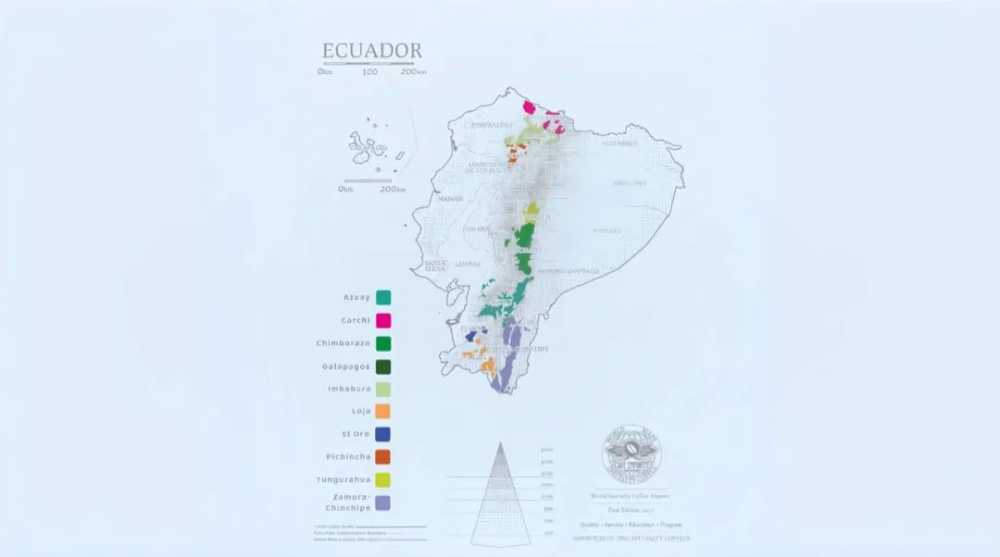
Sidra was not originally a single native variety but rather the result of a breeding program that crossed wild Ethiopian varieties with other genetic lines. Similar plants with Sidra-like characteristics have appeared both at Colombia’s coffee research institute (CENICAFE) and in Ecuadorian experimental fields, which has led to long-standing disputes over its origin. In fact, Sidra was first officially recorded in Colombia, but Ecuador’s growing environment has also shown excellent adaptability for the variety.
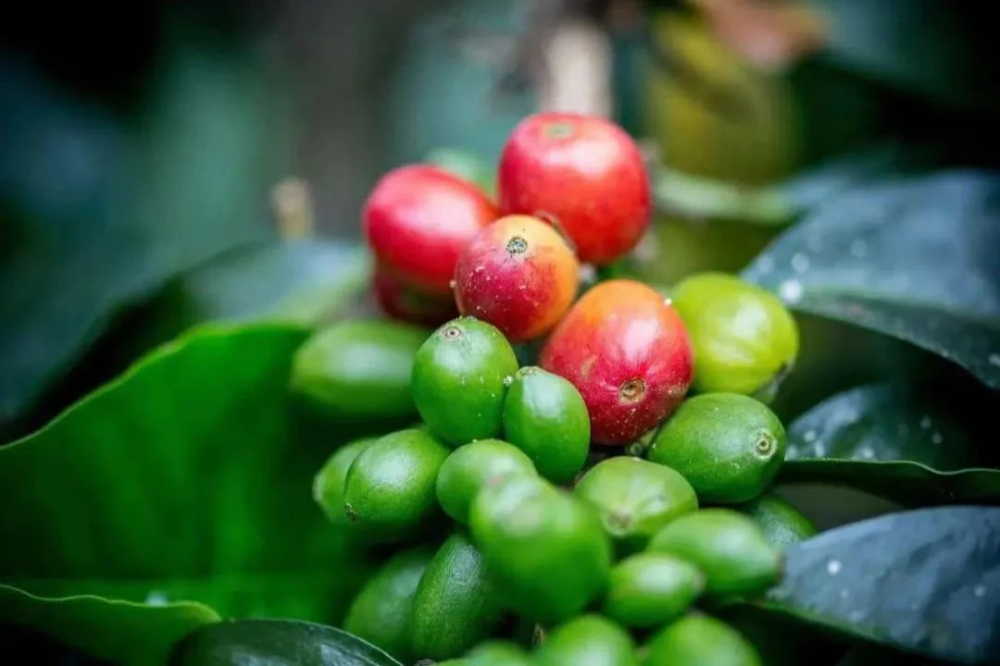
As for the nickname "contaminated Geisha," it stems from certain similarities in flavor profiles between Sidra and Geisha — such as citrus notes, floral aromas, and bright acidity. However, the two are actually entirely different varieties. Geisha is renowned for its unique blueberry, jasmine, and tea-like flavors, while Sidra leans more toward layers of lemon, white peach, and honey, often accompanied by a unique spicy finish. This confusion partly comes from early roasters emphasizing its "Geisha-like" qualities to attract market attention.
In terms of flavor performance, the recommended extraction parameters for Sidra differ slightly from those for Geisha. Because its beans are typically denser,it is advised to use a water temperature of 90–92°C when brewing pour over.The grind size should be slightly coarser than that for Geisha (about medium-fine, similar to the texture of fine sugar), to avoid over-extraction that can lead to sharp acidity. A three-stage pouring method is recommended, with a total water-to-coffee ratio of 1:15 to 1:16, to highlight the balance between fruitiness and sweetness.
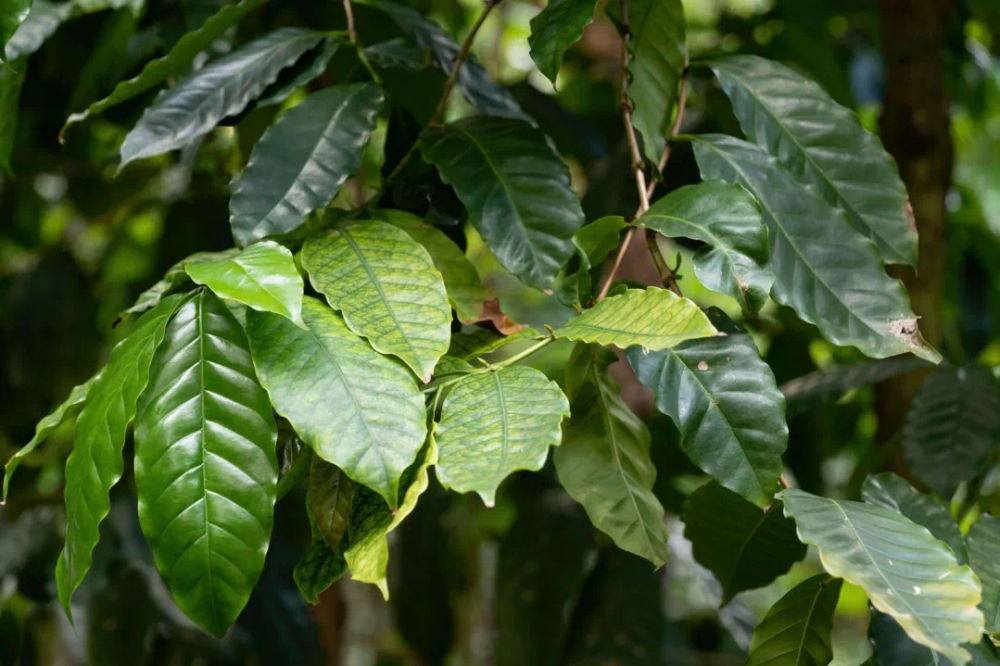
In terms of regional performance, Colombian Sidra, often grown at high altitudes (above 1,800–2,000 meters), tends to exhibit a richer profile, sometimes with a wine-like, full-bodied finish. Ecuadorian Sidra, on the other hand, benefits from its proximity to the equator and differing sunlight and rainfall conditions, resulting in a brighter, more refreshing cup where lemon and white peach notes are more prominent. These differences remind coffee enthusiasts to pay attention to origin information when purchasing, to match their personal taste preferences.
Another common misconception is that Sidra is a variant or mutation of Geisha. In reality, Sidra’s genetic lineage is closer to traditional Ethiopian varieties, although it happens to share some overlapping traits in appearance and certain flavor characteristics with Geisha. This misunderstanding may stem from early specialty coffee marketing strategies that positioned Sidra as a “relative of Geisha” to enhance its perceived value.
To further experience the uniqueness of Sidra, it is recommended to try a side-by-side brew: select Sidra and Geisha from the same region and processed using the same method,both roasted to a medium-light level(over-roasting will mask Sidra’s delicate flavors), and take note of the differences in their flavor profiles, acidity structure, and aftertaste. Such direct comparison can often provide a more intuitive understanding of their fundamental distinctions.
In summary, Sidra is not a "contaminated Geisha," but a variety with its own independent genetics and flavor potential. Regardless of whether its official origin is ultimately recognized as Colombia or Ecuador, its status in the specialty coffee market has become increasingly solid. For coffee enthusiasts, understanding Sidra’s background and characteristics not only helps avoid being misled by market rhetoric but also enables you to fully bring out the best in this bean during selection and brewing.
The above content is compiled by CoffeeHunters, a coffee news website.


