








Introduction:Cold brew coffee often commands the highest price among beverages in coffee shops, significantly more expensive than regular Americano. This pricing is not arbitrary but closely tied to its complex production process, longer extraction time, and the use of high-quality coffee beans. This article delves into the fundamental differences between cold brew and Americano from three perspectives—water temperature, time cost, and bean selection—to help readers understand the value behind the price and offers suggestions on choosing suitable beans for cold brew.
Among various types of black coffee, cold brew often stands out—not just because of its unique flavor profile, but also because it is generally priced higher than other black coffees, especially the common Americano. However, this price difference is not arbitrarily set by businesses but stems from significant distinctions in brewing methods, bean selection, and time investment.
Black coffee broadly refers to any beverage made by brewing coffee grounds with water, without adding milk, sugar, or other flavorings, including pour over, moka pot, Americano, and cold brew. Among these, cold brew uses ice water to steep coffee grounds for an extended period without high-temperature extraction, thus differing from traditionally hot-brewed coffee in both flavor presentation and brewing complexity.

Americano is one of the most common types of black coffee, with a relatively simple preparation method—typically made by diluting concentrated espresso with hot or iced water, and its strength and temperature can be adjusted according to customer preferences. Thanks to its quick preparation and flexibility, it suits both hot and cold servings and is a best-selling item in many coffee shops.
"Cold brew," on the other hand, is an umbrella term that includes various techniques for slow extraction using cold or iced water, such as Cold Brew and Cold Drip. Although often casually referred to as cold brew, each method has its own nuances—for example, Cold Drip involves gravity-fed water slowly dripping through coffee grounds, which may take several hours or even a full day.
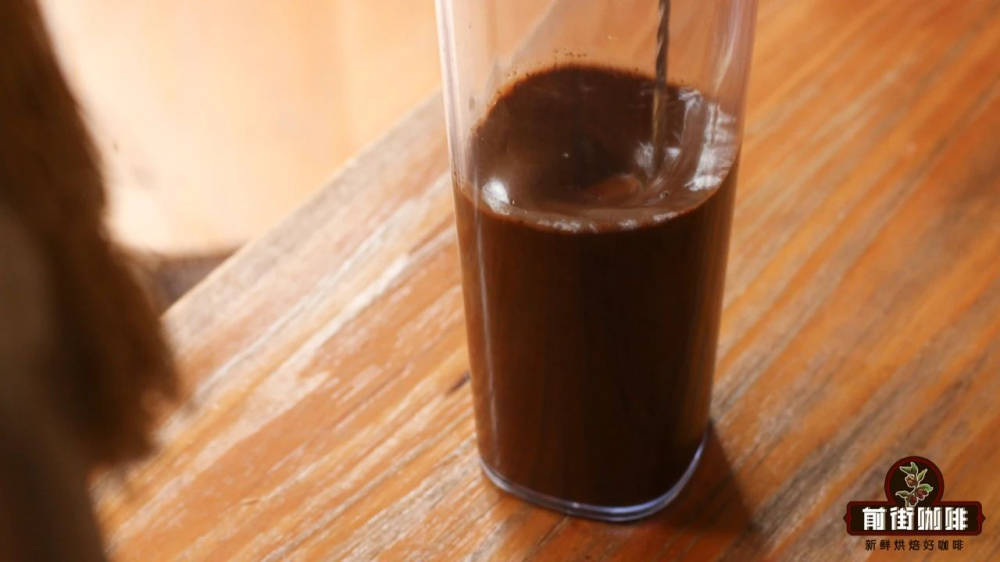
The first major difference lies in water temperature. Hot water quickly extracts the aroma, acidity, and sweetness from coffee, typically completing extraction in just 2 to 4 minutes. It’s efficient and easy to operate. In contrast, cold brew uses ambient or iced water, where molecular activity is slower, drastically reducing the extraction efficiency of flavor compounds from the coffee grounds, often requiringat least 8 hoursor even longer to achieve optimal extraction, posing a clear challenge in terms of time cost.
Ice drip coffee takes this to the extreme, using ice water that drips drop by drop through the coffee bed, with extraction times potentially lasting 12 to 24 hours. Such long wait times not only test patience but also contribute to increased labor and management costs.
However, the time difference isn’t the only reason cold brew tends to be pricier—the real key lies in the type of coffee beans used.
Americano is usually based on espresso, which not only serves as a standalone black coffee but is also commonly used to make milk-based drinks like lattes and cappuccinos. Therefore, when selecting beans, roasters often opt fordark roastedcommercial blends to emphasize bold flavors like caramel, chocolate, or creaminess, ensuring that the coffee character remains distinct even when mixed with large amounts of milk.

Since dark roasting significantly homogenizes the individual characteristics of beans from different regions, shops often choose commercially stable, low-cost blend beans. These beans are typically a mix from various regions, blended through commercial roasting techniques. While they have fewer nuanced flavor layers, they are adequate for meeting the daily demand of mass-produced milk coffee.
In contrast, cold brew favorsspecialty coffee beans with traceable origins, varieties, and processing methods. These beans usually come from specific estates or smallholder farms, featuring pronounced fruity, floral, or sweet notes such as berries, citrus, caramel, or even honey. These delicate characteristics can only fully develop under low-temperature slow extraction and are less likely to be masked by milk, making them better suited for pure black coffee or lightly milked drinks.
Specialty coffee beans require stricter standards in cultivation, harvesting, and post-harvest processing (such as natural, honey, or washed processing), resulting in limited yield and higher prices. Moreover, to highlight their unique profiles, they are typically roasted tolight to medium levelsto preserve the original flavor traits, which also increases the technical challenges and costs during roasting.
If you’d like to try making cold brew at home, it’s recommended to choose single-origin beans with distinct sweet and aromatic qualities—such as those with strawberry notes, blackberry aroma, or honey-like sweetness. Beans with honey processing often add more layers and body. For extraction, use a coarse grind with a coffee-to-water ratio of about 1:12 to 1:15, let it cold brew for12 to 24 hoursin the fridge, then filter after full extraction to complete the process.

In summary, cold brew coffee is priced higher than Americano not just because it takes longer to make, but also because it uses higher-quality, traceable specialty beans and preserves more delicate and unique flavors through low-temperature slow extraction. For consumers, this higher price tag actually represents a richer taste experience and a more meticulous production process.
The above content is compiled by CoffeeHunters, a coffee news website.


