







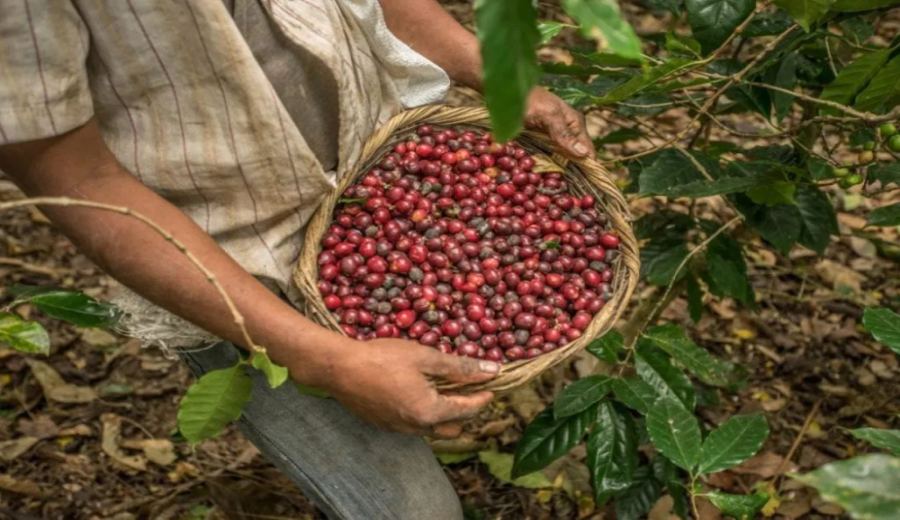
Introduction:As the largest coffee producer in Central America, Honduras is currently facing the challenge of rising exports but declining revenues. With China opening up direct imports and the local coffee industry adjusting its strategies, a new growth phase may be on the horizon. This article provides an in-depth analysis of its export data, market distribution, and China’s coffee consumption trends to help you grasp the latest developments and business opportunities in Honduran coffee.
Honduras is the world-renowned largest coffee producer in Central America, and its coffee industry has recently exhibited the unique phenomenon of “increasing volume but decreasing prices.” In February 2024, the country’s Arabica coffee sales reached 932,678 bags, marking a significant year-on-year increase of 26% compared to the same period in 2023. However, during the first four months of the same harvest season (from October 1, 2023, to January 29, 2024), Honduras’ coffee export revenue fell to $172.9 million, a sharp decline of 20.4%; the total export volume also decreased from 54,500 tons to 46,100 tons, a drop of 15.4%.
Despite facing declining revenues, Honduras’ coffee exports still rely on several major markets. Currently, its coffee is primarily sold to the United States, Germany, Belgium, the Netherlands, Italy, South Korea, and Canada, with these seven markets accounting for a combined 70.5% of its total exports. In the past, due to restrictions on re-export trade, Honduran coffee products often had to enter the Chinese mainland market via places like Taiwan, China, which not only increased costs but also extended transportation times.
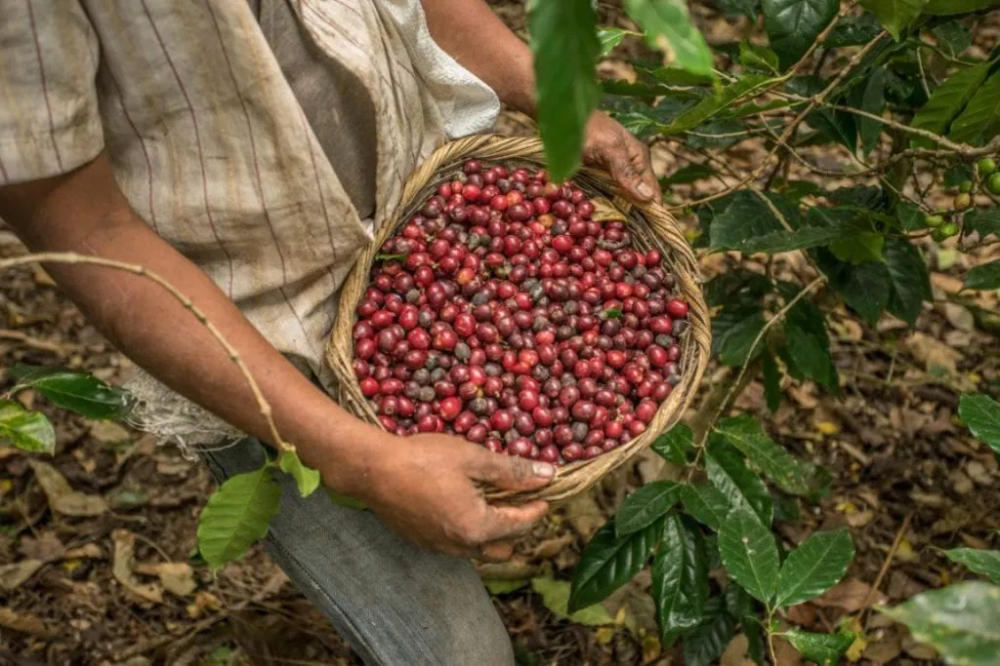
To improve this situation, the General Administration of Customs of China announced last year that it would allow all compliant Honduran green coffee beans to be directly imported into China, without the need for third-party transit. This move not only shortens the supply chain but also effectively reduces transportation and tariff costs. The Minister of Economic Development of Honduras pointed out that this policy change is of great significance to the local coffee industry, and future coffee exports to China will reach consumers more quickly and economically.
At the same time, China’s coffee market is rapidly expanding. According to data from the International Coffee Organization (ICO), China’s coffee consumption grew by 15% year-on-year in the 2022/2023 harvest season, reaching 3.08 million bags. The increasing number of coffee shops in cities, coupled with the growing acceptance of coffee among younger demographics, has driven overall market demand. This trend presents a brand-new business opportunity for Honduran coffee exports.
To capitalize on the potential of the Chinese market, the Honduran coffee industry has also actively applied for export certification to China. Recently, five more local companies have successfully obtained export certification from the General Administration of Customs of China, bringing the total number of Honduran coffee enterprises approved for export to China to 17. With more companies expected to join in the future, the export volume to China is projected to steadily increase, injecting new momentum into Honduras’ overall coffee economy.
Although the Honduran Coffee Institute previously estimated that coffee production in the 2023/24 season would slightly decrease by about 6%, with an expected total output of around 5.35 million bags (each bag weighing 60 kilograms), improvements in the logistics system and adjustments in export strategies are expected to maintain the overall export volume at around 4.95 million bags, comparable to the previous year. This indicates that even in the face of production fluctuations, Honduras can stabilize its position in the global coffee supply chain through market diversification and the exploration of emerging markets.
Overall, Honduran coffee is at a critical juncture of transformation. By directly entering the Chinese market, optimizing its export structure, and stabilizing production capacity, the country’s coffee industry is expected to find new growth momentum in the coming years while offering global consumers a more diverse and high-quality range of coffee choices.
The above content is compiled by CoffeeHunters, a coffee news website.


