








Introduction:Starbucks Reserve has launched a "Nianfeng Savory Latte" priced at 68 RMB, inspired by the famous Jiangnan dish Dongpo Pork, and featuring cured pork and flavored sauce, sparking heated discussions among netizens. Is this creative blend of sweet and savory flavors a bold attempt to break tradition, or an experiment that strays from the essence of coffee? This article delves into the product’s features, market feedback, and explores the boundaries of innovation in specialty coffee drinks.
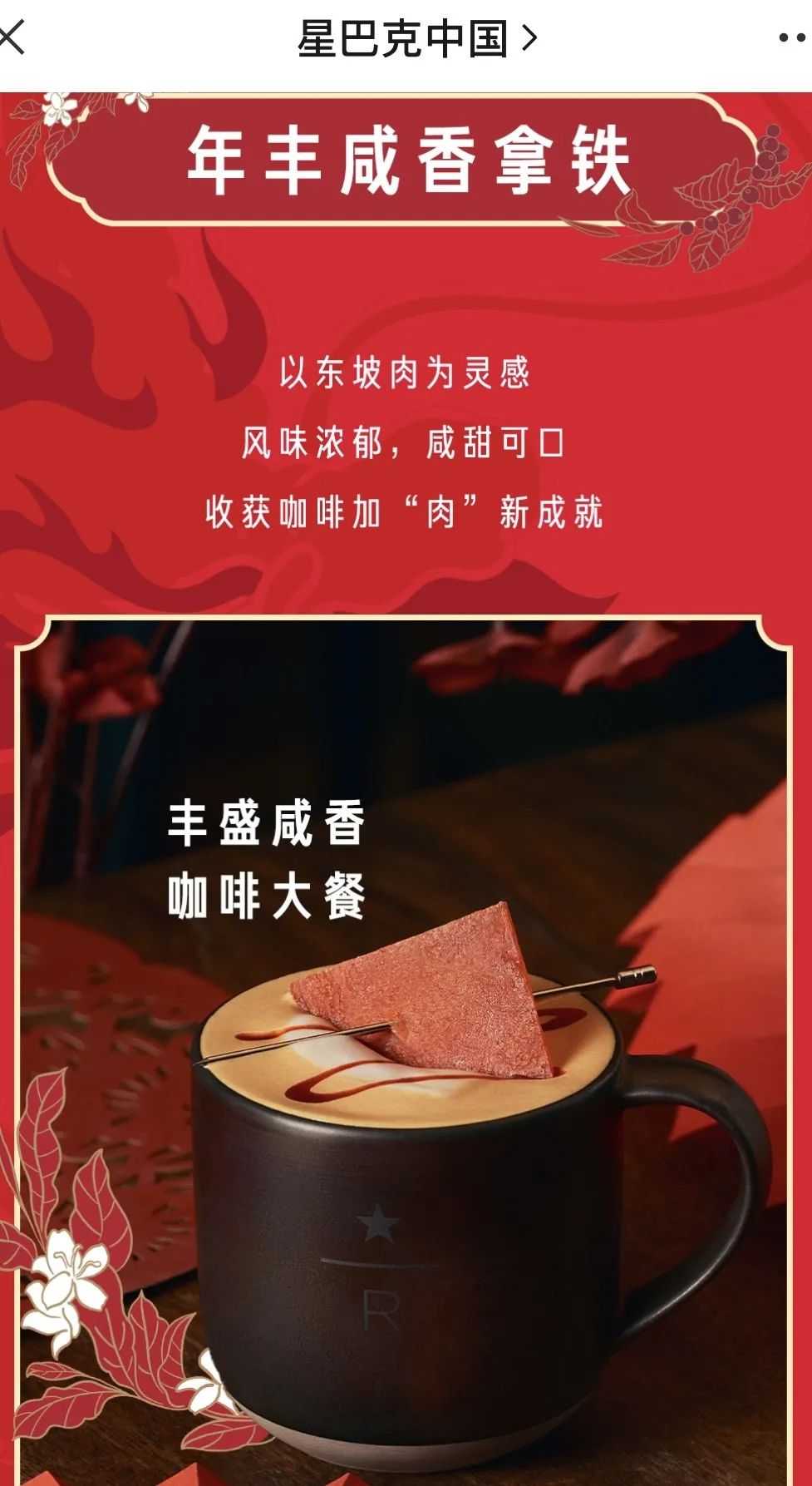
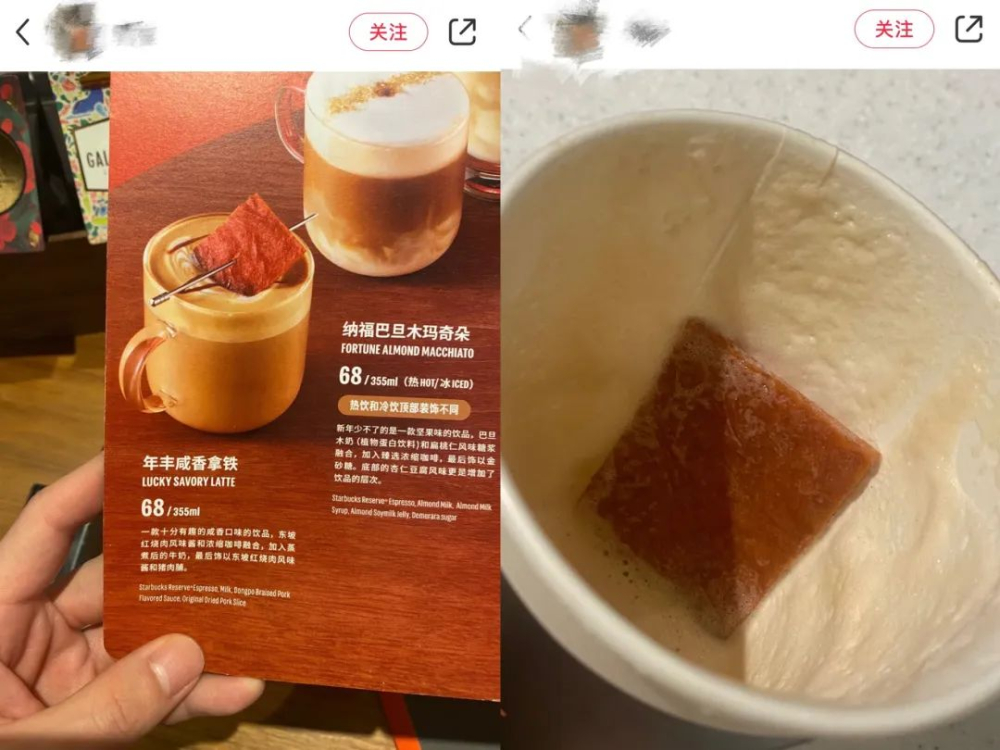
Starbucks Reserve recently introduced the "Nianfeng Savory Latte" at a price of 68 RMB. This specialty drink draws inspiration from the classic Jiangnan dish Red-Braised Dongpo Pork, and uniquely incorporates Dongpo Pork-flavored sauce and pork jerky to create a distinctive sweet-and-savory flavor profile. According to those who have tried it, the beverage’s taste is reminiscent of a combination of fermented tofu braised pork with candied hawthorn on a stick — a daring concept that quickly garnered polarized reactions on social media platforms.

Consumer reactions to this specialty drink have been clearly divided. Some netizens praise its innovative breakthrough, believing that Starbucks is courageously challenging the traditional framework of coffee; others question the logic of incorporating salty meat elements into black coffee, frankly stating they “can’t keep up with the brand’s pace.” Especially regarding the 68 RMB price tag, many feel it significantly diverges from that of a regular latte and requires more standout flavor highlights to justify its value.
From a technical perspective, the development of such composite-flavor specialty drinks requires precise control over seasoning ratios.The saltiness of the Dongpo Pork-flavored sauceandthe fat content of the pork jerkydirectly affect the overall balance of the coffee. First-time tasters are advised to pay attention to the drink’s layering — typically, bits of pork jerky will settle at the bottom of the cup. It is recommended to stir before drinking to fully experience the layered flavors.
There are countless similar cases of creative specialty drinks on the market, from red bean curd mixed with chili oil and Lao Gan Ma, to fermented mung bean milk paired with ice cream and whipped cream. While these combinations may generate buzz, they often draw criticism due to poor flavor harmony. Professional baristas point out that successful specialty drinks should focus on the principle of “complementarity rather than conflict” — for example,sweet-and-savory pairings should ensure that no single flavor dominates beyond 60%, and that the quality of the base beverage remains unaffected by added ingredients.
Notably, the evolution of creative specialty drinks is shifting from “promoting coffee culture” to “pursuing visual and flavor surprises.” Some businesses, in an effort to create viral effects, overly emphasize unconventional ingredient combinations, which ends up obscuring the core value of coffee beverages. When facing high-priced specialty drinks, consumers are advised to first evaluatethe logical consistency of the flavorsandtheir personal tolerance, avoiding paying extra solely for the sake of novelty.
Looking back at the Dongpo Pork Latte incident, it actually reflects a broader innovation dilemma in the beverage industry: how to strike a balance between breaking tradition and preserving essence? Experts suggest that future specialty drink development should place more emphasis on “flavor narrative coherence,” such as selecting ingredients that have regional or cultural connections to coffee itself, rather than simply piling on stimulating elements. For consumers, while it’s important to stay open-minded and try new things, it’s equally crucial to establish basic standards for judging beverage quality.
The above content is compiled by CoffeeHunters, a coffee news website.


