







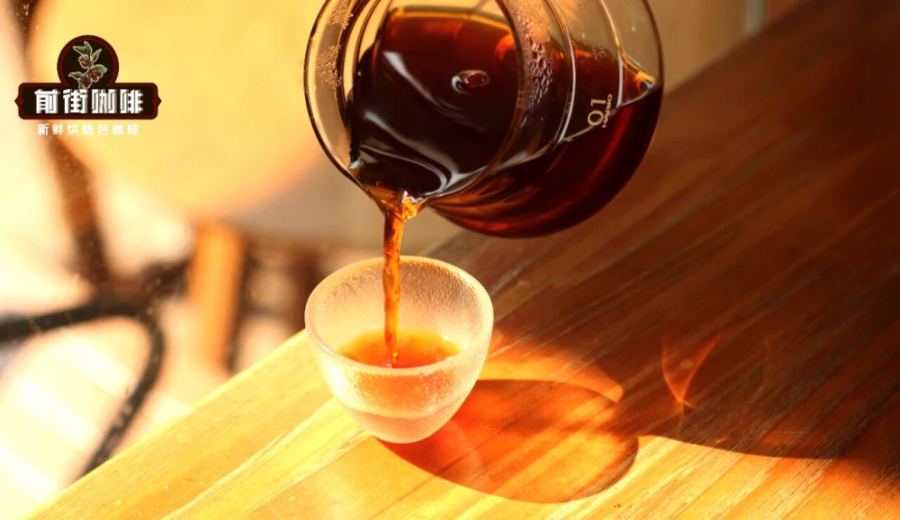
Introduction:Although Geisha coffee is renowned for Panama, its varietal origins actually trace back to Ethiopia. Gesha Village Coffee Estate, as the most representative Geisha-producing region in Ethiopia, cultivates unique varieties such as Gori Geisha and Geisha 1931, and features a rigorous grading system including Auction, Gold, Red, Green, and Chaka. This article delves into the characteristics of each grade, suitable brewing methods, and provides practical pour over parameters and flavor descriptions for the Red Label Natural, helping you choose the most suitable Geisha coffee beans.
When it comes to Geisha, many people immediately think of the legendary Panamanian Hacienda Esmeralda, but in fact, the genetic homeland of this variety is Ethiopia. With the rise of the specialty coffee movement, Gesha Village Coffee Estate in southwestern Ethiopia has become a must-visit region for Geisha enthusiasts, thanks to its outstanding cultivation management and unique grading system. This article will comprehensively introduce the history of Gesha Village, its main cultivated varieties such as Geisha 1931, Gori Geisha, and Illubabor, as well as the differences among the five grades—Auction, Gold, Red, Green, and Chaka—to help you select your desired Geisha coffee beans more precisely.
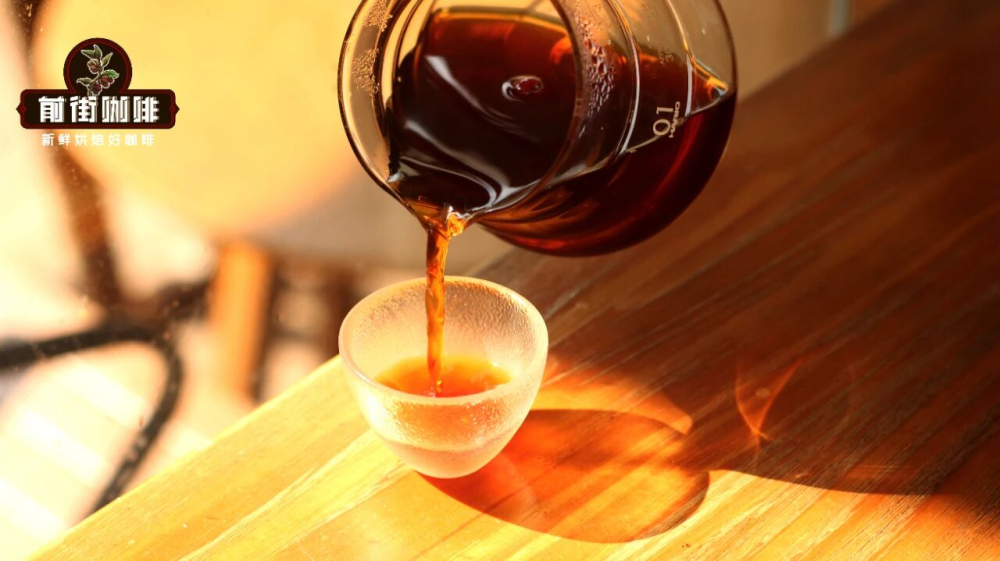
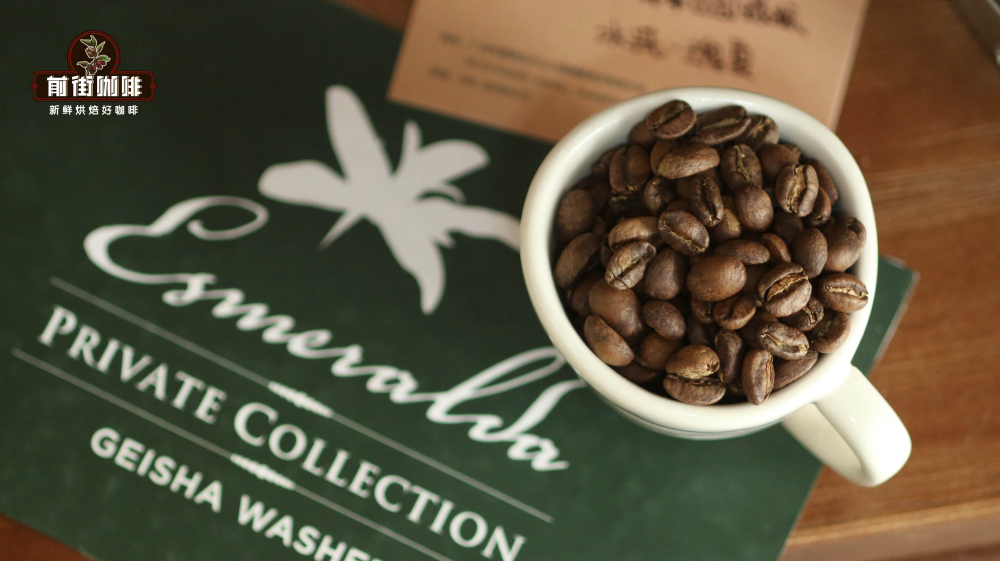
The Geisha variety was once overlooked in many regions due to its high cultivation difficulty and low disease resistance. It wasn’t until 2004, when Hacienda Esmeralda in Panama entered Geisha into the “Best of Panama (BOP)” competition and won first place, that the variety suddenly skyrocketed in popularity. If you want to experience the most classic Geisha flavor profile, Panama’s top auction lots are the first choice; but if you’re curious about Geisha’s origins and more diverse flavor expressions, then Ethiopia’s Gesha Village Coffee Estate is definitely worth exploring. In particular, the Red and Gold Labels of Gesha Village sold by CoffeeV, with their bright acidity, delicate floral notes, and citrus, berry, and tea-like characteristics, are highly favored by coffee lovers.
Gesha Village Coffee Estate is located in Ethiopia’s far-western Bench Maji Zone, bordering South Sudan, surrounded by pristine wilderness. The microclimate and high-altitude environment here provide ideal growing conditions for Geisha. Currently, the estate primarily cultivates three varieties: Geisha 1931, Gori Geisha, and the disease-resistant Illubabor variety (Illubabor Forest 1974). Among them, Geisha 1931 and Gori Geisha are the mainstays, not only retaining the genetic traits of the original Geisha but also showcasing the region’s unique terroir.
The founding of Gesha Village Coffee Estate is full of story. In 2007, American documentary filmmaker Adam Overton and his photographer wife Rachel Samuel, while filming a coffee-themed documentary for the Ethiopian government, ventured into the Bench Maji region and accidentally discovered the Gori Gesha Forest. This expedition inspired them to create a dedicated Geisha estate. In 2009, after exchanging ideas with Willem, the owner of Panama’s Hacienda La Esmeralda, the couple returned to Ethiopia and officially established themselves at a location called Gesha Village. They collected seeds from wild Geisha trees, selected them, and began cultivation, naming the place Gesha Village Coffee Estate.
Gesha Village manages its plantations with meticulous attention to variety and plot, planting only a single variety in each block to ensure consistent and pure flavors. For example, the oma, surma, and narsha plots are dedicated to Geisha 1931; the bangi, shewa-jibabu, and shaya plots grow Gori Geisha; while the gaylee and dimma plots cultivate Illubabor. Harvested coffee cherries are all labeled by their origin plot, and through a strict internal traceability system, they can be tracked from field to export, ensuring stable quality.
In terms of grading, Gesha Village did not adopt Ethiopia’s traditional classification standards but instead referenced practices from international markets like Panama, developing five main grades. The highest grade is the Auction lot, limited to beans with cupping scores between 88 and 92, available only through official auctions; the Gold Label consists of the highest-quality beans outside the auction, often favored in international barista competitions; the Red Label also scores above 88, offering a better price-to-quality ratio with outstanding flavors; the Green Label emphasizes plot information without mandatory cupping score requirements; finally, the Chaka lot is a blend of three varieties (Gori Geisha, Geisha 1931, and Illubabor), suitable for consumers who enjoy complex, balanced profiles.
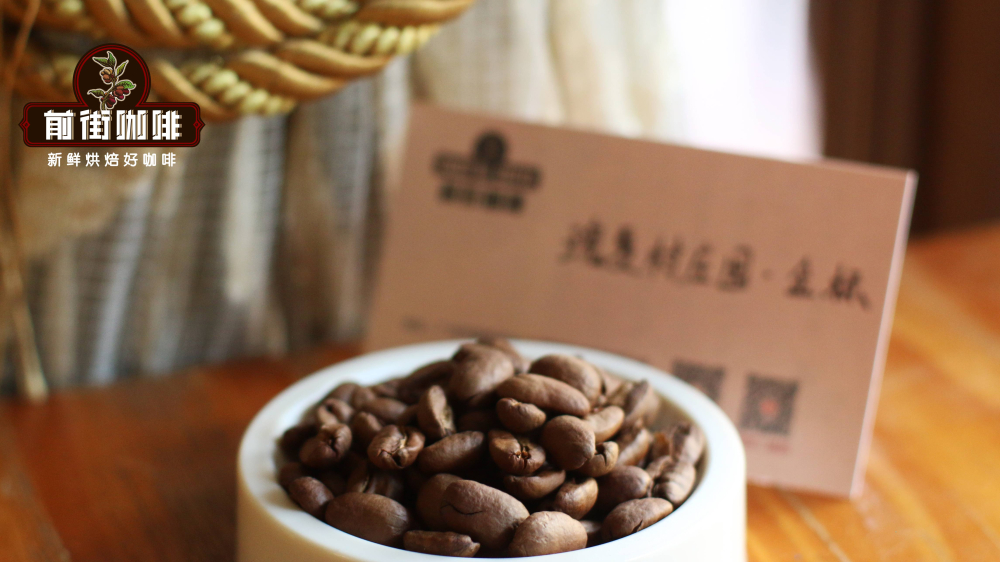
If you’d like to try the Red Label from Gesha Village, the Natural (sun-dried) version is recommended. The Ethiopian Gesha Village Red Label sold by CoffeeV comes from the Bench Maji region, grown at altitudes between 1900 and 2100 meters, with the Gori Geisha variety processed using the Natural method. This bean showcases a rich profile of tropical fruits, citrus, berries, and wild ginger lily during brewing, with a maple-syrup-like sweetness in the finish. It’s perfect for pour over lovers who enjoy a balance of fruity and floral notes.
For actual pour over brewing, we recommend using a V60 dripper, with a coffee-to-water ratio of 1:15 and a water temperature of around 92°C. The grind size should be medium-fine, similar to the texture of fine sugar. The pouring process can be divided into three stages: start with a 30-second bloom, followed by multiple pours, for a total brew time of about 2 minutes. These parameters fully highlight the fruitiness and layered complexity of the Red Label Natural, resulting in a smooth cup with bright, non-harsh acidity—ideal for everyday enjoyment or as an entry-level specialty coffee for tasting.

The above content is compiled by CoffeeHunters, a coffee news website.


