








Introduction:Is the barista profession facing a bottleneck? This article delves into the current state of the job market, explores changes in skill demands and potential career transitions. From the value of SCA certifications, the weight of practical experience, to the hiring preferences of independent cafés, it provides practical advice to help aspiring professionals plan for long-term development. It also specifically analyzes how to build irreplaceability through deep technical expertise and market insight.
As the specialty coffee wave sweeps the globe, the barista profession has attracted many young people, but the real challenges of the job market are gradually emerging. Many newcomers find that even with basic skills, standing out in a competitive environment is no easy task. Data from job platforms show that job seekers without SCA certification or with less than two years of hands-on experience have a significantly lower chance of getting an interview, and physical appearance often becomes an additional screening criterion.
It is worth noting that the recruitment models of independent cafés differ markedly from those of chain brands.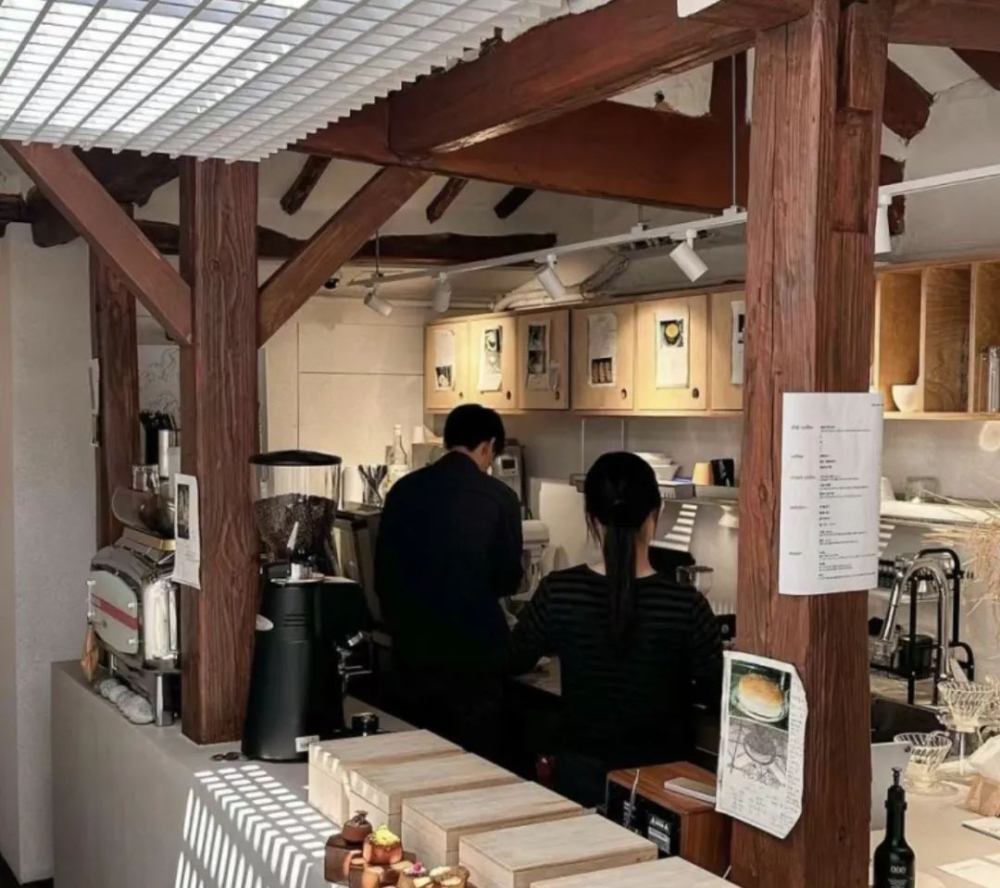 Such shops often rely on industry connections or on-site brewing evaluations, placing greater emphasis on immediate performance and the ability to adjust coffee flavor profiles. A shop owner in Taipei’s Zhongshan Station area noted: “We prioritize applicants who can consistently extract an ideal concentration (1.15%-1.35% TDS) and understand how different grind sizes affect taste.”
Career development myths often revolve around the notion of it being a “job for the young.” In reality, experienced baristas can transition through three main paths: refining roasting skills to become a roaster, accumulating teaching experience to become a training instructor, or going deep into origin regions to work as a green coffee scout. A case from a Hong Kong-based specialty coffee group shows that baristas with Q Grader certification can earn 40%-60% more than entry-level baristas.
In the face of market competition, continuous learning is crucial. It is recommended to strengthen competitiveness in three dimensions: first, mastering parameter adjustments for pour over and espresso equipment (such as the impact of grind size on extraction time), second, developing the ability to identify flavor profiles from different coffee bean origins, and third, building a keen sensitivity to customer service details. A survey from the Singapore industry indicates that staff who can clearly describe the difference between “bright acidity” and “rich body” see an average 25% increase in customer return rates.
Industry data reveals another key trend: consumer expectations for “barista professionalism” continue to rise.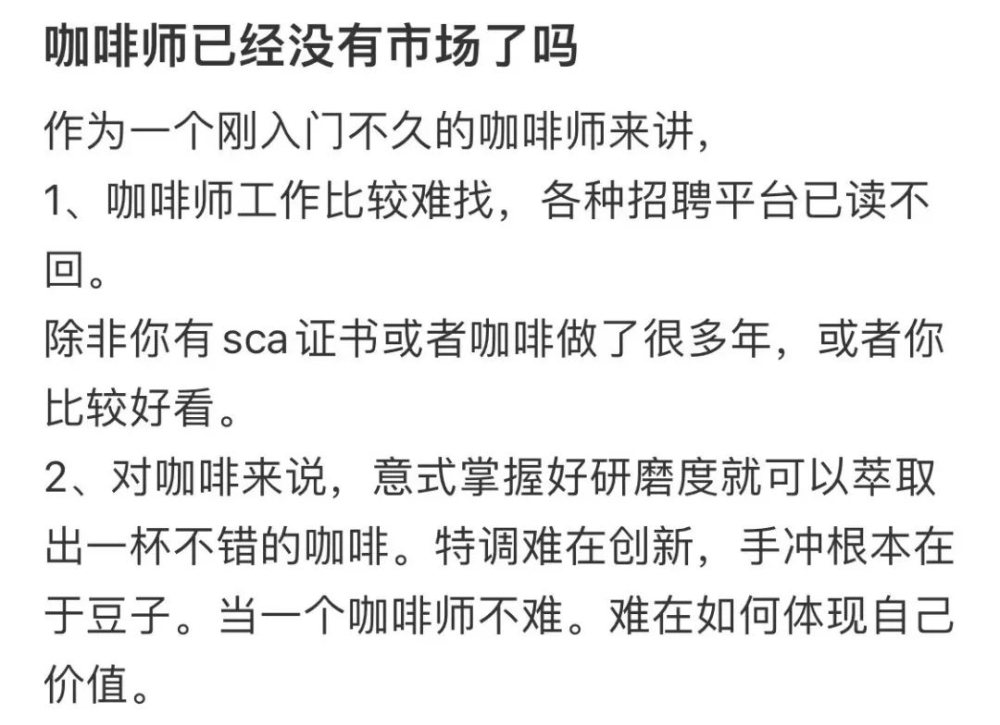 Modern customers not only demand high-quality beverages but also expect to receive brewing knowledge and personalized recommendations. This shift gives those who can explain coffee roast levels and recommend flavor wheel profiles suited to customer tastes—such as fruity or chocolatey notes—a distinct advantage.
For long-term career planning, it is advised to focus in two directions: short-term efforts should aim at improving brewing consistency (such as maintaining an extraction rate of 18%-22% per cup), medium-term goals include obtaining international certifications to expand employment flexibility, and long-term development could involve cultivating vertically integrated capabilities—from green bean selection and roast curve design to the final presentation of the complete value chain. This comprehensive knowledge system is precisely what distinguishes an average barista from an industry expert.
The above content is compiled by CoffeeHunters, a coffee news website.


