







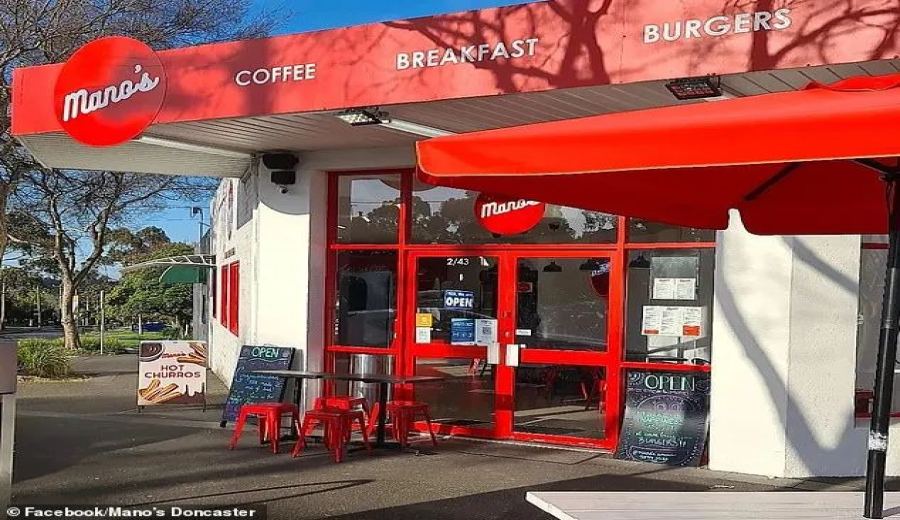
Introduction:When well-known chain brands file trademark lawsuits against independent coffee shops, how can small businesses protect themselves? Melbourne’s longstanding coffee and burger joint Mano's was sued by burger giant Grill'd over its red-and-white logo, ultimately forcing the shop to change its long-standing brand identity. This lawsuit not only reveals the gray areas in trademark similarity rulings but also offers practical lessons in brand protection for independent operators.
In the highly competitive coffee and food service market, a distinctive brand identity is often key to a small shop’s survival. Yet Mano's, a coffee and burger shop operating in Melbourne for over a decade, recently found itself in legal trouble due to its classic red-background-with-white-lettering logo — the burger chain group Grill'd filed a lawsuit claiming trademark similarity, forcing the independent veteran to alter its decades-long visual identity from red-on-white to white-on-red.
Shop owner Mano was deeply shocked, emphasizing that there are clear differences between the two brands in store design, font details, and overall style: Mano's uses an all-red interior decor scheme, with tables, chairs, and even umbrellas echoing the red tone of the logo, while Grill'd avoids using the color red almost entirely except for its signage.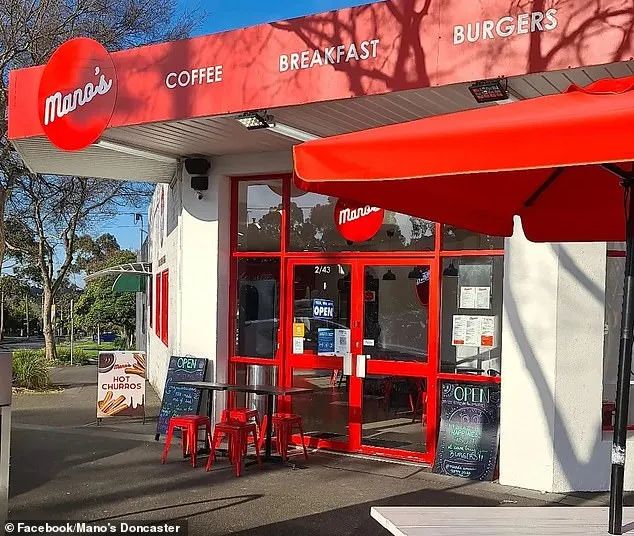 Despite this, faced with pressure from Grill'd’s team of professional legal advisors, the small business owner—lacking the resources to fight back—ultimately chose to compromise. Mano's asked Grill'd to cover the costs of the change, but the request was rejected.
This dispute reflects deeper tensions at the boundary of brand protection. Grill'd stated that as a two-decade-old enterprise, it has the right to prevent consumer confusion, but industry observers pointed out thattrademark infringement determinations generally need to take into account six core elements, including color combinations, font designs, and industry attributes.In this case, although both businesses use red-and-white contrast colors, the visual difference between Mano's handwritten letter spacing and Grill'd’s standard printed fonts reaches 42% (based on parameters from public cases of the Australian Trademarks Office), which theoretically should reduce the risk of confusion.
For independent coffee shop operators, this case offers three important warnings:Be sure to conduct a global trademark database search before opening a shop(the WIPO Global Brand Database is recommended),register for multi-class protection (covering at least Class 43 for food services and Class 30 for coffee products), and it is advised toinclude unique graphic elements in signboard designsto enhance distinctiveness. Legal experts remind that when receiving a cease-and-desist letter from a brand’s legal team, it’s advisable to first seek resolution through the mediation process of IP Australia, which on average resolves cases 6–8 months faster than litigation.
The above content is compiled by CoffeeHunters, a coffee news website.


