








Introduction:Although espresso extraction takes only a short twenty to thirty seconds, every step is extremely critical. From portafilter cleanliness, evenness of coffee distribution, to tamping technique, any small oversight can severely affect the extraction efficiency and flavor profile of the coffee. This article delves into seven commonly overlooked extraction issues, explains their underlying causes and impacts on the final flavor, and provides practical improvement suggestions to help you consistently pull rich and balanced espressos.
Though making espresso takes only about twenty to thirty seconds, it is the most technically demanding and detail-oriented part of the entire coffee-making process. Even minor operational mistakes can turn what should be a rich and full-bodied espresso into something sour, watery, or burnt and bitter. Below, drawing from practical experience, we’ve compiled seven commonly ignored key details in espresso preparation. We’ll explain the causes of these issues, their impact on extraction, and offer concrete and actionable solutions for improvement.

In the daily routines of professional baristas, many steps have become second nature—for example, cleaning the portafilter and drying the inner walls after extraction, ensuring that every dose is taken in a dry environment. However, for beginners or home brewing enthusiasts, these seemingly simple actions are often overlooked, which can negatively impact the overall quality of the coffee.
1. Tamping Without Fully Drying the Portafilter
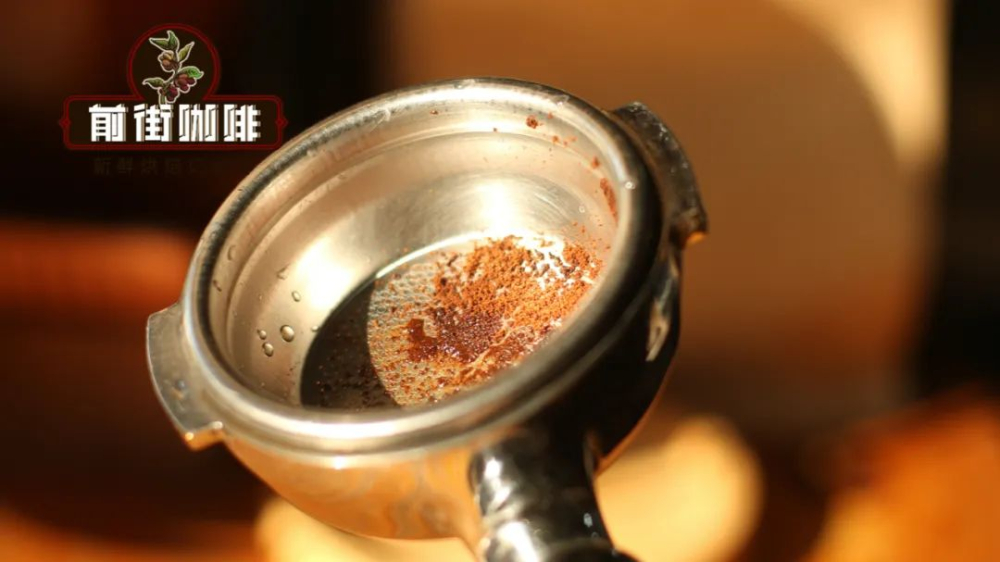
After each extraction, in addition to removing the coffee puck, it’s recommended to rinse the inside of the portafilter basket with water to clear away coffee grounds and residual liquid, and ensure it is completely dry before the next use. If you pour coffee powder into a portafilter with moisture still on the inner walls, the coffee powder near the walls will prematurely absorb moisture and clump due to humidity. Such clumps are very difficult to break up during subsequent distribution and tamping, leading to uneven water flow—sometimes fast, sometimes slow—ultimately affecting the stability and consistency of the flavor.
2. Severe Coffee Ground Clumping After Grinding
Espresso requires extremely fine coffee grounds, which makes clumping highly likely during grinding—especially in drier environments. Although the surface of the coffee bed may look even, internal clumps can impede the even penetration of hot water, causing the water to flow through areas of lower resistance, resulting in noticeable channeling. In severe cases, you might even see the coffee shoot out in a straight stream. It’s recommended to gently break up clumps using a fine needle or a specialized distribution tool to help achieve more uniform extraction.
3. Tamping Without Distributing the Coffee First
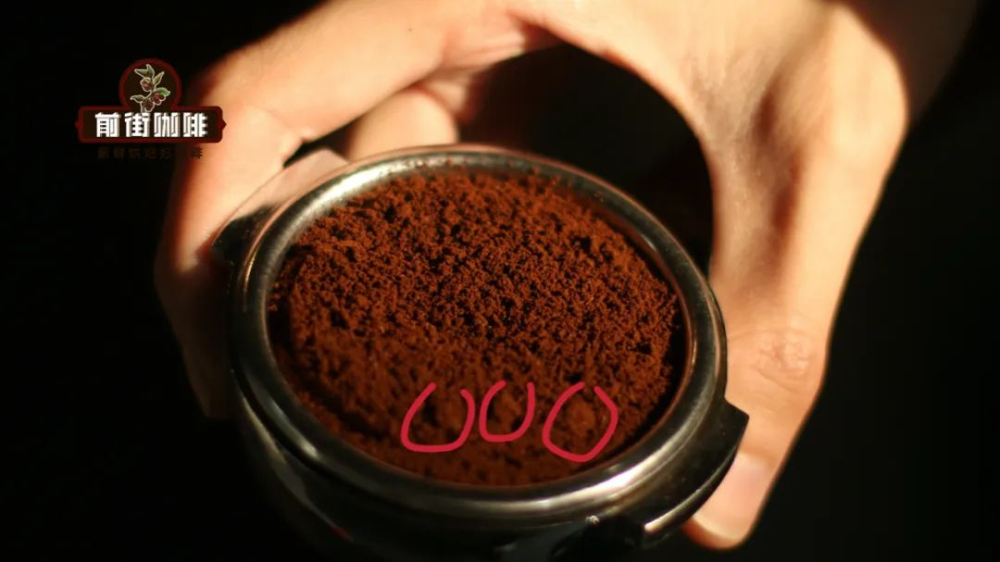
The purpose of distribution is to evenly spread the coffee grounds in the portafilter and create a level surface, ensuring that hot water contacts every coffee particle equally. Skipping this step and tamping directly may leave slight indentations or unevenness in the coffee bed, causing high-pressure water to flow toward the low points, leading to channeling and affecting the flavor. It’s recommended to roughly level the coffee bed with your fingers or a distribution tool after dosing, then proceed to tamp.
4. Uneven Tamping Pressure
If the pressure applied during tamping is uneven or if you tamp back and forth repeatedly, even if the surface looks level, the internal density of the coffee puck will be inconsistent, increasing the risk of channeling. The correct tamping method involves applying stable, even, and vertical pressure in one go to ensure consistent puck density throughout. If you’re not familiar with tamping techniques, it’s advisable to revisit the basic motions or refer to professional tutorial videos for practice.
5. Colliding the Portafilter with the Group Head When Locking In
When attaching the portafilter to the group head, unfamiliarity with the machine or hasty operation may cause the portafilter to collide or rub against the group head, potentially loosening or even cracking the coffee puck. This directly affects extraction stability, increasing the chances of channeling and affecting the overall quality of the espresso. It’s recommended to familiarize yourself with the machine’s structure and the position of the portafilter, ensuring smooth and accurate locking-in motions.
6. Skipping the Group Head Pre-Rinse
Before and after each extraction, it’s recommended to first release a small amount of hot water from the group head. This not only clears away any leftover coffee grounds and residue but also prevents the high-temperature shower screen from directly contacting fresh coffee grounds, which can lead to over-roasting and burnt, bitter flavors. If the previous extraction's water is not released in time, dried residue can stick to the shower screen, affecting the purity and taste of the next shot.
7. Delaying Extraction After Locking in the Portafilter
Some users, after tamping and locking in the portafilter, delay starting the extraction while adjusting the scale or performing other preparations. This waiting period leaves the hot coffee puck continually exposed to heat, leading to scorching and producing burnt, bitter notes in the coffee. The ideal approach is to ensure the scale is zeroed and the cup is in place before locking in the portafilter, then starting the extraction immediately afterward to achieve the best flavor and balance.

In summary, these seven common yet often overlooked details show that making a high-quality espresso depends not only on selecting the right coffee beans and setting the proper grind size, but also on the care and stability demonstrated during the brewing process. Whether you’re a beginner coffee enthusiast or a shop aiming to improve consistency, paying attention to these details can help you move closer to a professional-level extraction.
The above content is compiled by CoffeeHunters, a coffee news website.


