







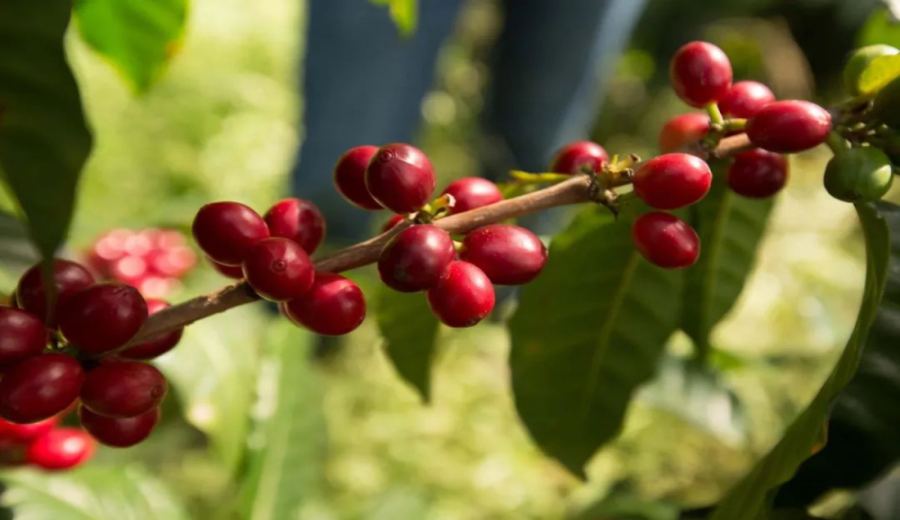
Introduction:The La Flor del Café Geisha from the Antigua region of Guatemala, with its unique berry acidity and delicate sweetness, has become a top choice for many coffee enthusiasts just starting their journey. This article delves into the region's geographical conditions, variety characteristics, and washed processing methods, and provides practical, moderately roasted pour over recommendations based on real testing — helping you master the optimal brewing method for this classic bean.
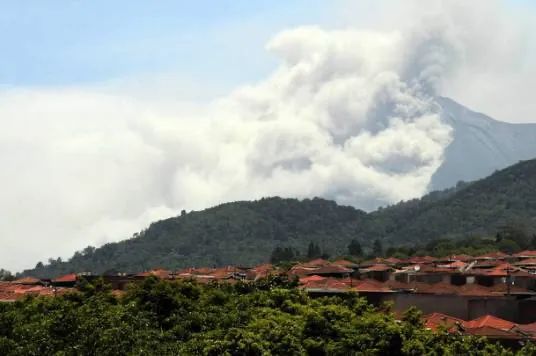
As the world’s ninth-largest coffee-producing country, Guatemala is renowned for its high-altitude, strictly hard beans, which generally exhibit bright fruit acidity and a clear, layered structure. Over 80% of its coffee-growing regions are located in volcanic zones above 1,500 meters altitude, where complex terrain and microclimates contribute to distinctive regional flavor profiles. Among them, the Antigua region, surrounded by three active volcanoes, benefits from volcanic pumice-rich soils full of nutrients, along with its unique shaded cultivation practices and significant day-night temperature variations. These factors result in coffees that often display highly recognizable balances of acidity and sweetness.
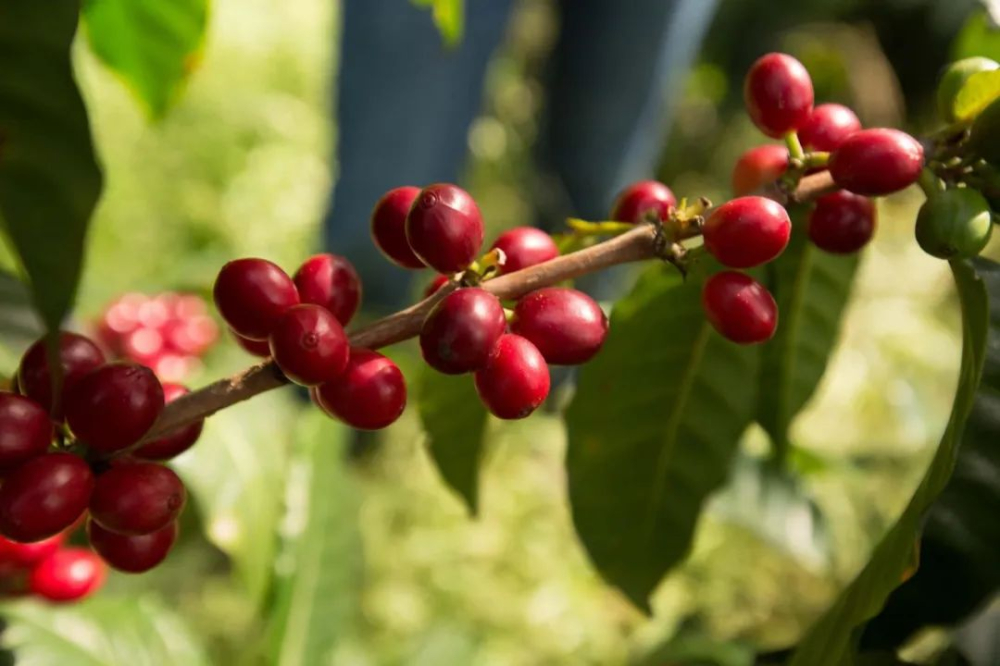
Located in west-central Guatemala and surrounded by the Agua, Fuego, and Acatenango volcanoes, the Antigua region enjoys exceptionally favorable geographical conditions. The area maintains an average annual temperature of around 18°C, with humidity steadily around 65%. The active volcanoes release pumice that enhances soil drainage while retaining appropriate water retention — making it highly suitable for coffee tree growth. Notably, during the dry season (November to April of the following year), nighttime temperatures often drop low enough to cause frost, so local farmers commonly use shade trees. This practice not only protects the coffee trees from cold damage but also slows fruit ripening, aiding in flavor accumulation. Coffee in this region is generally grown at elevations between 1,500 and 1,700 meters on valley slopes, with washed processing being the predominant method — giving rise to a unique character that is both clean and richly flavored.
The ‘La Flor del Café’ (Flower of Coffee) brand, under a certain company, is one of the most respected specialty coffee representatives in the region. This brand adheres to strict quality control, avoiding the use of chemical pesticides throughout the planting and harvesting processes. Post-harvest processing is handled by the professional mill Pastores Mill, which monitors the entire washed fermentation, washing, and drying procedures to ensure each coffee bean meets high standards. The La Flor del Café beans introduced by a certain merchant use two classic varieties — Bourbon and Caturra — and highlight fruity acidity and elegant sweetness through washed processing. They are finally medium roasted to deliver a balanced and layered flavor profile.
The actual flavor performance of this Guatemalan La Flor del Café coffee bean is quite delightful: the first impression is a soft berry acidity, followed by a refreshing citrus note. The mid-palate reveals delicate caramel sweetness and a subtle chocolatey finish, with a well-defined layered structure and a long-lasting aftertaste. Its flavor profile is clear-cut, making it an excellent choice as an everyday drinking bean or as a standard bean for practicing pour over techniques.
Based on practical testing experience, it is recommended to use a V60 dripper with a 1:15 coffee-to-water ratio, and to control the water temperature at around 92°C for pour over brewing. The grind size should be medium-fine to medium (similar to fine sugar granules), with a total brewing time of about 2 minutes and 30 seconds to 3 minutes. Specifically, a three-stage pouring method can be used: the first stage involves pouring 30 grams of water for a 30-second bloom, the second stage entails circular pouring until reaching 125 grams for the first split, and the final stage continues pouring up to 225 grams to complete the extraction. This set of parameters effectively highlights the bright acidity and fruity aroma of the La Flor del Café beans, while avoiding over-extraction that could lead to astringency. Beginners should pay attention to water temperature stability and pouring speed, maintaining a smooth and even water flow to help improve extraction consistency.
In summary, the La Flor del Café Geisha from the Antigua region of Guatemala, with its exceptional terroir, rigorous post-processing, and balanced flavor of bright acidity and sweetness, appeals to both beginners and seasoned coffee aficionados. By adjusting the brewing parameters appropriately, the full potential of this classic bean can be further revealed, making it a worthy addition to any personal coffee bean collection.
The above content is compiled by CoffeeHunters, a coffee news website.


