







Introduction:Brazil’s coffee exports have plummeted due to a port strike, with major European ports seeing their inventories drop by nearly 40% in just one year. This article delves into how the EU’s deforestation-free regulation and the Red Sea shipping crisis are compounding to impact global coffee trade, and helps you understand the supply chain challenges behind soaring freight costs and delivery delays — along with practical coping strategies.
The global coffee supply chain is facing multiple challenges, from disruptions at key Brazilian ports, to rapidly depleting inventories in Europe, to rising freight costs driven by the Red Sea shipping crisis — each link directly affecting the arrival time and cost of coffee beans. According to statistics, coffee inventories at major European ports had sharply decreased by December 2023 compared to the start of the year37.9%, leaving only 437,059 tonnes in stock, forcing traders to reassess their import strategies.
As the world’s largest coffee exporter, Brazil also saw a significant decline in its January exports, with a total of approximately2.48 million bagsshipped, a decrease of about10%compared to the same period last year. Breaking it down, Arabica green beans made up the largest proportion, accounting for81%(approximately 2.01 million bags), Robusta green beans around11%(280,000 bags), and instant coffee8%(190,000 bags). This structural data also reflects the market’s continued demand for high-quality coffee beans.
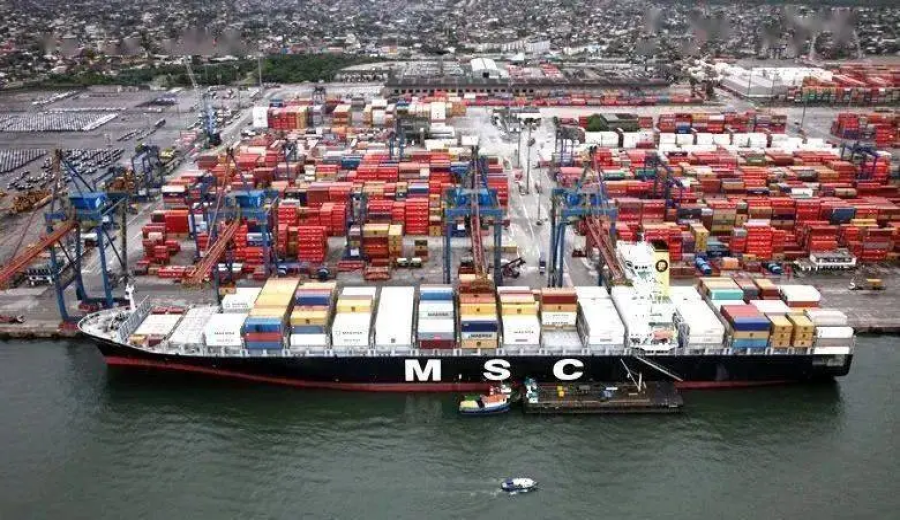
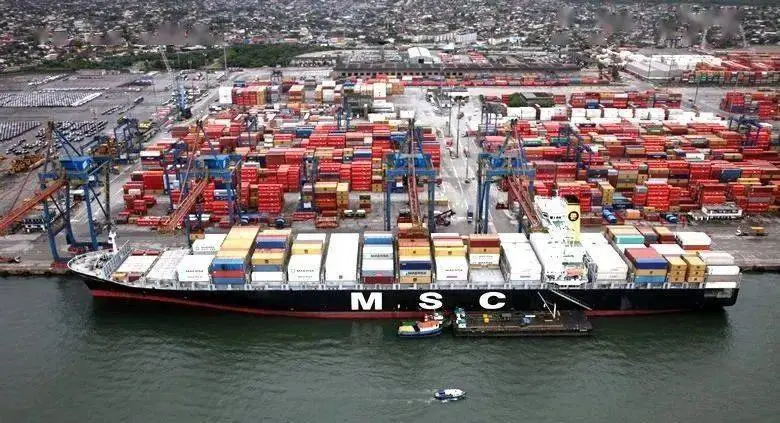
The decline in export volume is largely due to a major customs officers’ strike at Brazil’s Santos Port and Guarulhos International Airport in mid-to-late January. During this period, except for perishable goods, medicines, and food, the customs clearance process for most goods came to a near standstill, resulting in about6,500 import customs declarationsand4,000 export customs declarationsbeing held up. Although the strike lasted only four days, long-standing issues at the port such as aging equipment, low management efficiency, and labor shortages led to subsequent vessel delays and a large backlog of coffee beans. Currently, there are still about848,371 bagsof coffee awaiting shipment.
Meanwhile, the inventory crisis in the European market cannot be ignored. The EU is set to officially implement the “Deforestation Regulation (EUDR)” in December 2024, which requires all agricultural products sold in the EU market, including coffee and cocoa, to be proven deforestation-free. Although it is currently still in a transition period, many traders have already chosen to reduce import volumes in advance to lower future compliance risks.
Compounding the issue, the Red Sea shipping crisis continues to escalate, with multiple international shipping companies opting to suspend Red Sea routes or reroute via the Cape of Good Hope in Africa, leading to a significant increase in shipping distances. This has not only caused container freight rates on the Asia-Europe route to surge150%, but also significantly raised fuel costs for ships. Coffee deliveries from major Asian producing regions such as Vietnam and Indonesia have been delayed by as much asthree weeks, while the additional rerouting costs exceed hundreds of millions of euros per month, forcing many traders to reduce purchases from these areas.
Overall, from operational bottlenecks at Brazilian ports, the upcoming stringent EU regulations, to shipping disruptions caused by Red Sea geopolitics, the global coffee supply chain is under unprecedented pressure. In the short term, high freight costs, delivery delays, and tight inventories are unlikely to ease, and all of this will directly affect the variety and pricing of coffee available to consumers. Understanding these changes can help traders and coffee enthusiasts prepare in advance and stay on top of market trends.
The above content is compiled by CoffeeHunters, a coffee news website.


