







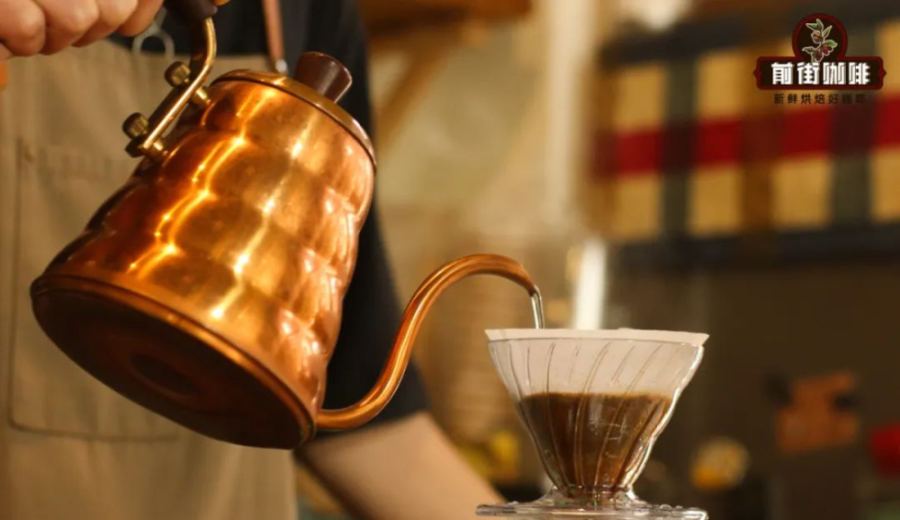
Introduction:Many coffee enthusiasts believe that hot water at high temperatures is essential for pour over brewing to extract rich flavors. However, water at 80°C can also brew delicious coffee—the key lies in knowing how to adjust other parameters. This article delves into the impact of water temperature on coffee extraction, from balancing acidity and sweetness to taste layers, analyzing why 80°C often leads to under-extraction and how to improve low-temperature brewing issues by adjusting grind size, pouring technique, and blooming time. Whether you're a beginner or a seasoned brewer, these practical tips will help you consistently brew balanced and flavorful coffee.
In the world of pour over coffee, water temperature is one of the most overlooked yet highly influential variables affecting final flavor. When the water temperature drops to 80°C, many coffee lovers worry: will the resulting cup be too sour, too light, or even unpleasant? In fact, 80°C is not a forbidden zone for brewing—the key is whether you can master complementary parameters to maintain flavor complexity and balance. This article will thoroughly analyze the impact of 80°C water on pour over extraction and provide practical adjustment suggestions, enabling you to consistently brew a well-balanced cup even with lower water temperatures.
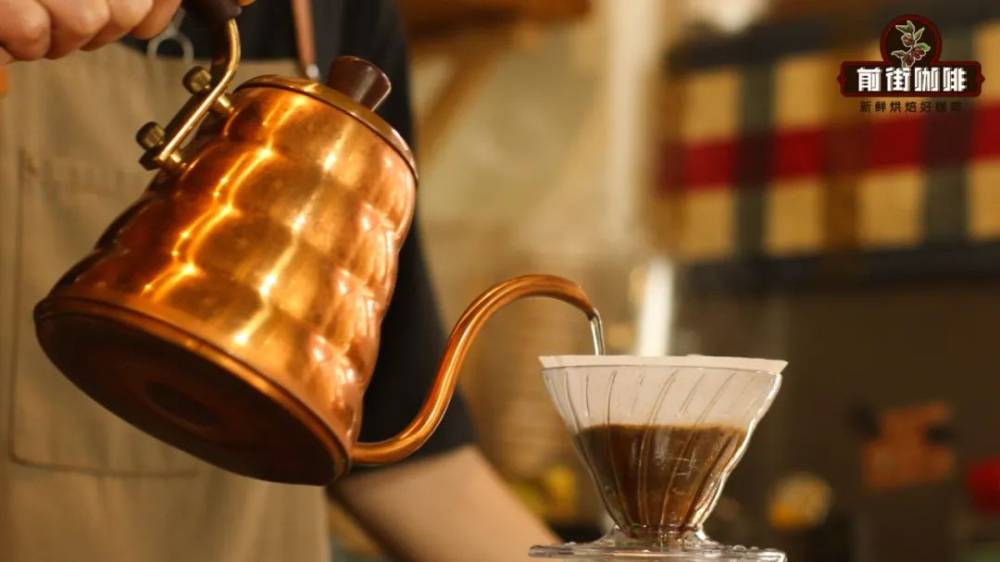
Water temperature essentially determines the energy supplied during coffee extraction. Simply put, the higher the water temperature, the more vigorous the molecular activity, enabling faster and greater dissolution of flavor compounds from coffee grounds—including acidity, sweetness, and aroma—resulting in a higher extraction yield. Conversely, when the water temperature is low, such as at 80°C, the activity of water molecules decreases, reducing extraction efficiency. Within the same brewing time, fewer soluble substances are extracted from the coffee, often leading to so-called "under-extraction." Common symptoms include overly sharp acidity, insufficient sweetness, an overall thin flavor, and a shorter aftertaste.
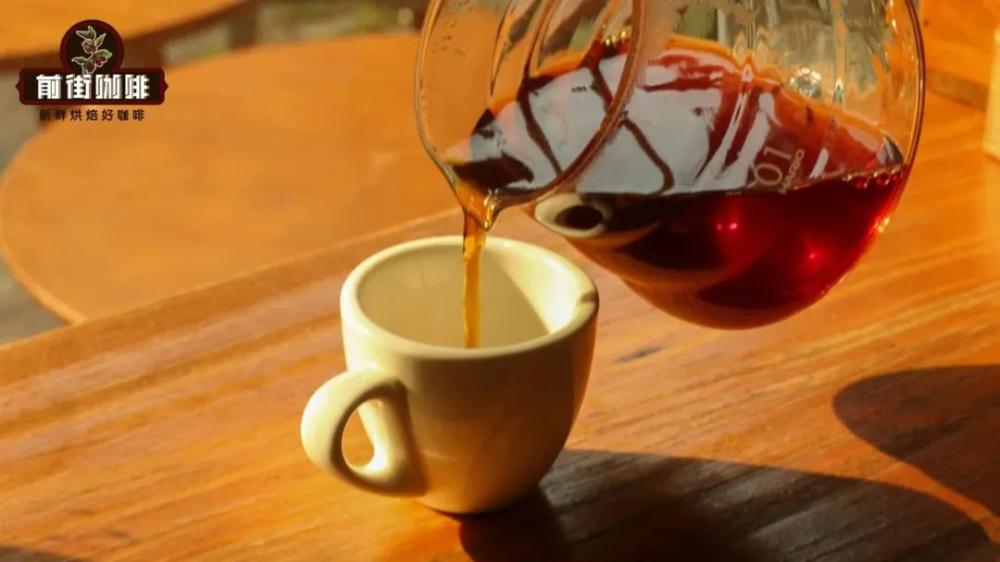
However, this does not mean that good coffee cannot be brewed at 80°C. In fact, coffee extraction is a comprehensive process involving multiple variables, with water temperature being just one factor. When choosing to brew at lower temperatures, you can compensate for the reduced extraction efficiency by adjusting other parameters—for example, by using a finer grind, extending the bloom time, employing multi-pour techniques, slowing down the pouring speed, or increasing total brew time. All of these can effectively enhance the contact efficiency between coffee grounds and water, thereby improving overall extraction performance.
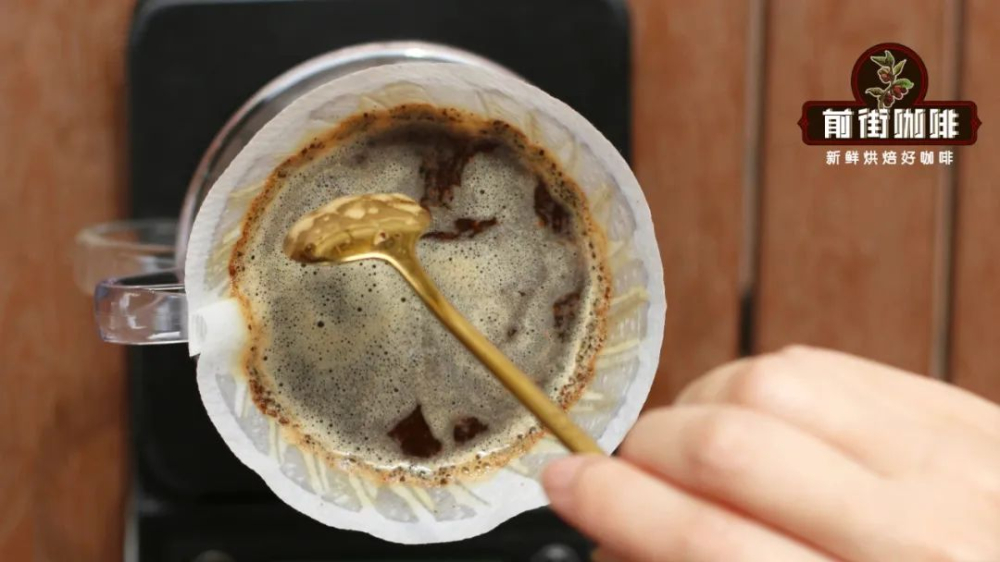
So, what specific adjustments should be made when brewing at 80°C? First, it’s recommended to grind the coffee about one to two settings finer than usual. This increases the contact surface area between coffee grounds and water, helping to boost extraction yield. Second, extend the blooming phase to 30–40 seconds to ensure the coffee grounds have sufficient time to degas and pre-wet, which aids in achieving more uniform extraction later. During the main pouring phase, use a small stream of water combined with a multi-pour technique, pausing briefly after each pour to allow flavors to release steadily. The overall brew time can be extended to between 2 minutes 30 seconds and 3 minutes, depending on the situation, to achieve a more complete extraction.
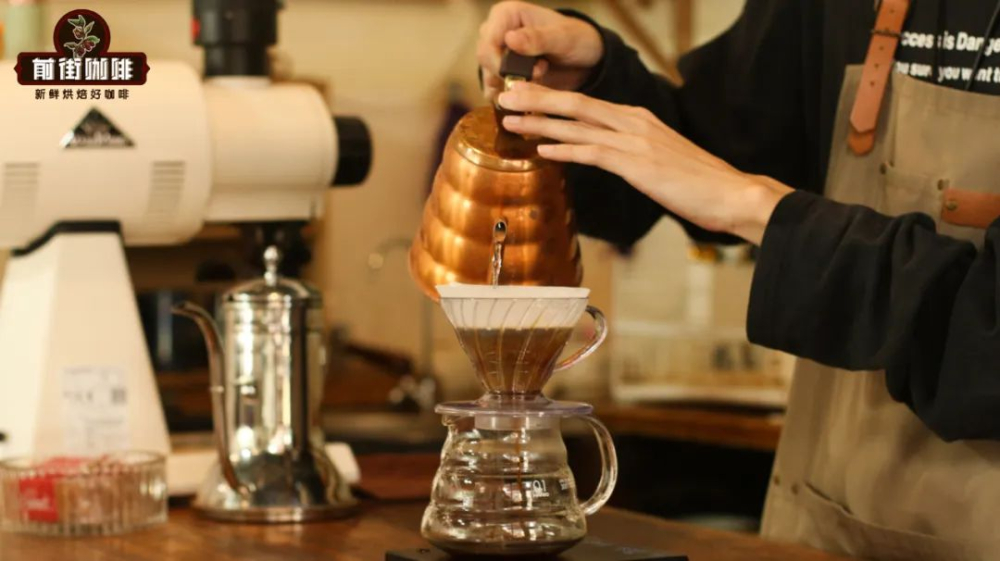
However, special attention should be paid to the fact that brewing at such low temperatures as 80°C may amplify the coffee’s inherent acidity—especially when using beans that are lightly roasted with bright acidity. The acidic notes may become more pronounced or even astringent. In such cases, consider switching to a slightly darker roast with more noticeable sweetness, or slightly increase the water temperature to around 83–85°C. This helps achieve a more ideal balance between acidity and sweetness, resulting in a smoother and more rounded overall flavor.
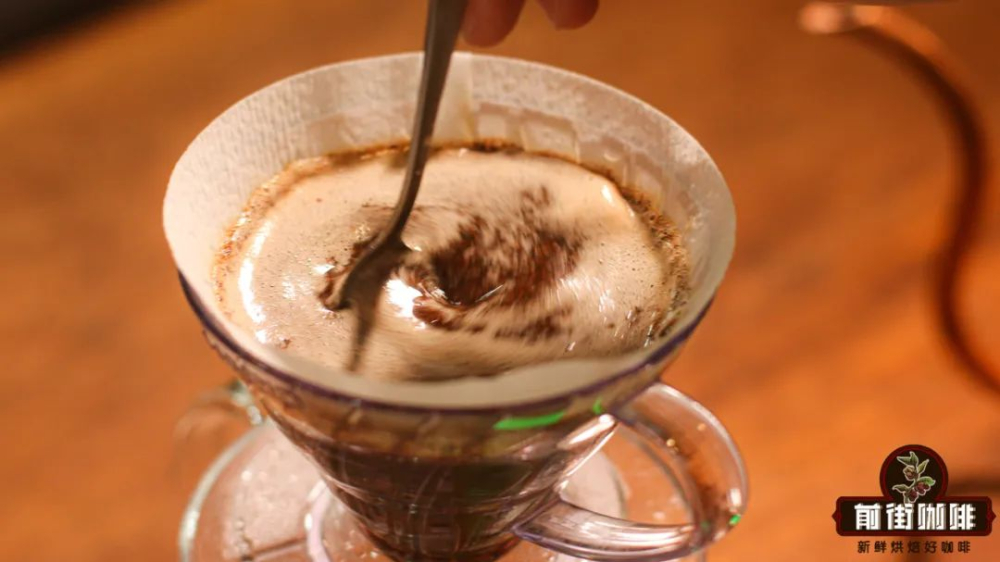
Some experienced coffee shop operators, such as a team based in Guangzhou, frequently encounter unstable water temperatures. Their practical experience shows that 80°C is not entirely unusable—the key lies in being willing to flexibly adjust other parameters according to the water temperature. For instance, when using their everyday house blends for low-temperature brewing, they stabilize the cup by refining the grind and extending brew time, consistently producing clean, soft coffee with good sweetness. They also often conduct comparative brews at different temperatures, allowing customers to personally experience the noticeable influence of temperature on coffee flavor profiles.
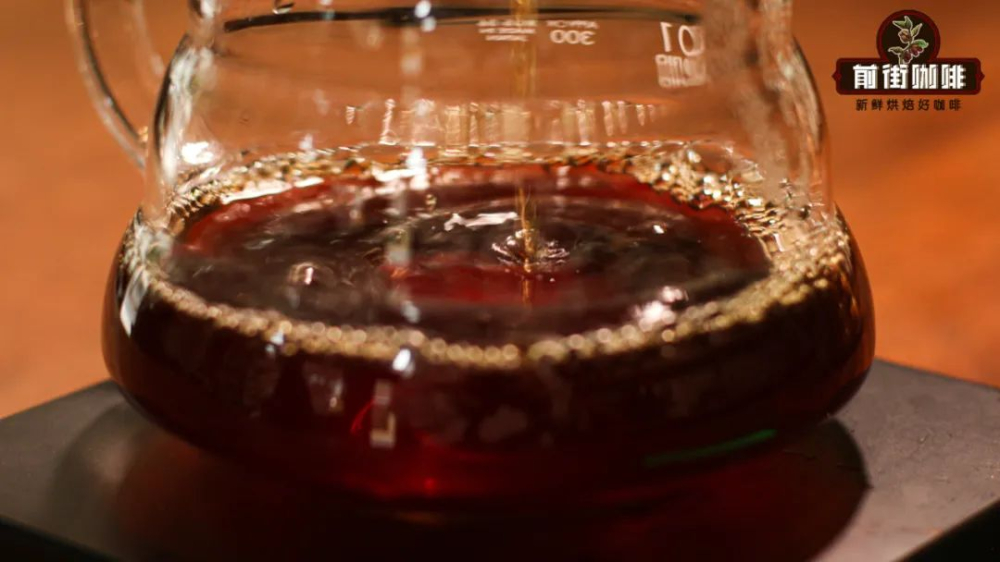
To better understand the actual impact of water temperature changes on extraction results, we can refer to the following sets of comparative data, observing differences in acidity, sweetness, body, and overall balance across various temperatures. These data not only validate the challenges of low-temperature brewing but also highlight the room for improvement through parameter adjustments.
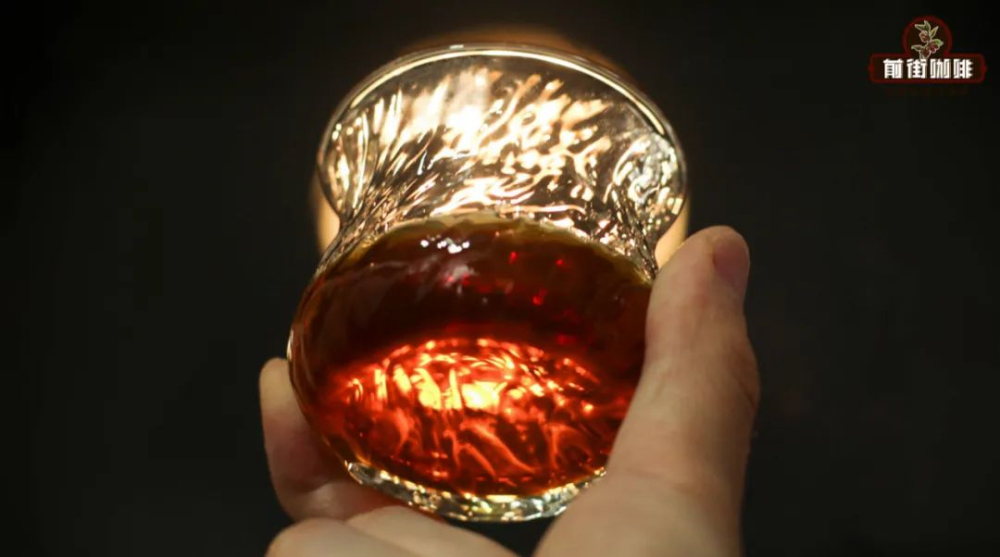
In summary, brewing good-tasting pour over coffee at 80°C is indeed possible, but it requires you to reasonably adjust grind size, pouring technique, bloom time, and total brew duration based on the characteristics of this temperature. Low water temperature isn’t the issue—the real challenge lies in whether you’re willing to invest the time to understand the interplay between these variables and make corresponding optimizations. With the right approach and techniques, lower temperatures can still deliver a well-balanced, enjoyable coffee experience.
The above content is compiled by CoffeeHunters, a coffee news website.


