








Introduction:When beginners start brewing coffee, they often hear that coffee beans need to be "rested" or "aged." But why
Have you ever wondered why many baristas recommend letting newly purchased coffee beans rest for a few days before brewing? This is especially true for pour over coffee, where the "resting" or "aging" step is frequently mentioned. This actually relates to the changes in internal gases within the coffee beans after roasting and the process of flavor stabilization. Let’s take a deeper look together to understand the true purpose of aging coffee beans and how to determine if your beans are ready to brew.
First, let’s explore why freshly roasted coffee beans typically require a “resting period.” Right out of the roaster, the beans contain a large amount of carbon dioxide, which is a natural byproduct of the roasting process. At the same time, the sweet aromas brought about by the Maillard reaction—sometimes accompanied by a hint of smokiness—are particularly pronounced at this stage. Brewing immediately by grinding and extracting the beans at this point will cause these gases to hinder the contact between water and coffee grounds, leading to uneven extraction. Not only will the flavors fail to fully develop, but undesirable roast-related off-notes may also end up in your cup.

Generally speaking, the aromatic performance of freshly roasted coffee beans can last for about two to three weeks. Among these, days 8 to 25 are considered the “golden tasting window,” during which the beans’ flavor characteristics are the most distinct and their layers the richest. The essence of aging is to allow the coffee beans to naturally release carbon dioxide while letting those volatile impurities from roasting dissipate, thus enabling the intrinsic flavors of the coffee to shine. At the same time, internal aromatic compounds gradually stabilize, making it easier to capture high-quality flavor profiles during extraction.
It’s worth mentioning that different roast levels directly affect the required aging time. Darker roasted beans, due to longer roasting times and higher temperatures, experience greater bean expansion and have a relatively looser internal structure, thus accumulating more carbon dioxide and requiring a longer time to release it. For example, espresso or medium-to-dark roasted beans are usually recommended to rest for 7 to 10 days before reaching optimal flavor. In contrast, medium-to-light roasted beans, which emphasize floral and fruity acidity notes, typically only need an aging period of 4 to 7 days.
So, if the beans haven’t been properly rested, does that mean they’re completely undrinkable? The answer is no. In fact, more and more coffee roasters today place great emphasis on coffee freshness, and the vast majority of beans sent to consumers are products roasted within a week. Taking common roasting schedules as an example, many shops control their roasting quantities to ensure customers receive beans that are roasted no more than five days prior, plus 1 to 2 days of shipping time—by then, the flavors are already relatively stable. Therefore, while aging can further enhance flavor performance, it is not absolutely necessary; you can still enjoy the coffee even without resting it.
If you’ve just received beans that were roasted just yesterday, feel free to brew a cup and give it a try right away. Although the flavors may not yet be fully stable, starting with the beans at their freshest allows you to personally experience their evolution over time. Gradually, you’ll develop a keener sensitivity to the changes in coffee flavors—an additional joy found in specialty coffee.
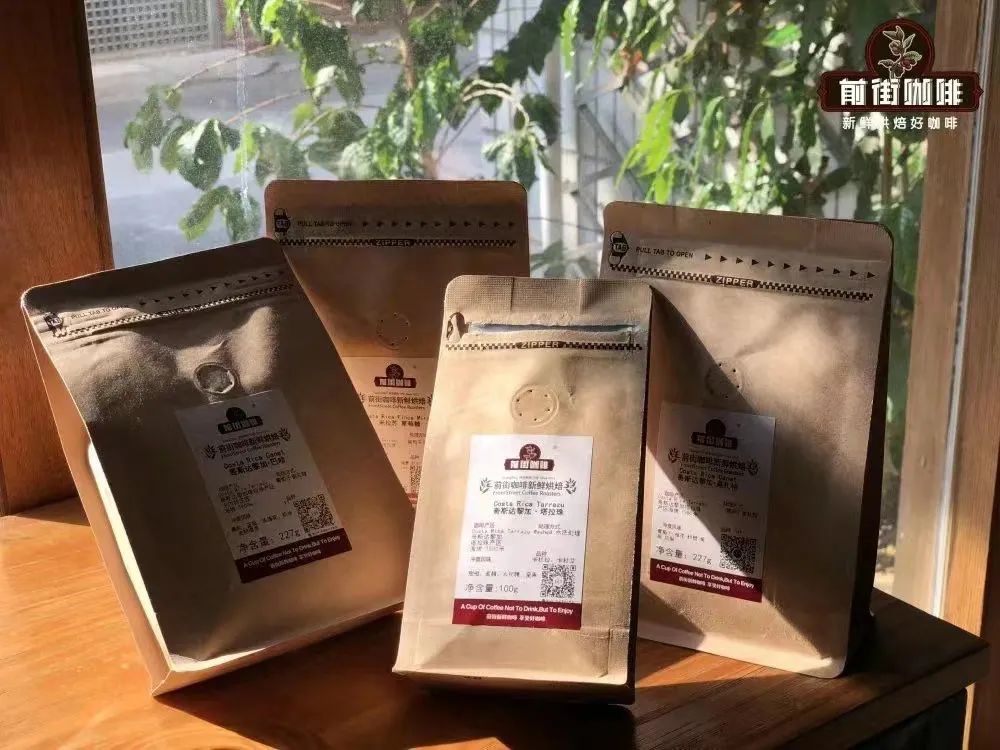
For the average consumer, without access to professional equipment, is there a simple way to judge the aging status of coffee beans? The answer is: observe the blooming performance during brewing. Blooming is an essential step in coffee preparation, primarily aimed at releasing carbon dioxide from the coffee grounds and preheating the coffee bed. When using the same beans for blooming, if the coffee grounds visibly puff up, forming a fluffy, “burger”-like mound, this usually indicates that the beans still contain a relatively high amount of gas and are fairly fresh. Conversely, if the grounds show little to no change, or appear flat and lifeless, it likely means the beans have been stored for some time, and most of the gases have already been released.
However, there’s one thing to note: not all coffee beans will exhibit a dramatic “burger patty” effect. Some beans that are lightly roasted or have a denser bean structure may show less expansion during blooming even when fresh, appearing more like a slightly flattened burger rather than a prominently puffed one. Therefore, relying solely on the appearance of blooming can only serve as a reference and should not be the sole basis for judgment.
In summary, aging is a process that allows coffee beans to naturally mature and develop their flavors, though the need for it varies depending on roast level and personal preference. Understanding the role of carbon dioxide in coffee flavor and how different roast types influence the aging time can help you better grasp the ideal brewing timing. By observing the puffiness of the coffee grounds during blooming, you can also roughly assess the state of your beans and adjust your brewing strategy accordingly—ensuring that every cup of pour over coffee showcases its best possible flavor.
The above content is compiled by CoffeeHunters, a coffee news website.


