








Introduction:Do you know why many light roast coffees have a distinct citrus note? This is actually closely related to the characteristics of the coffee bean variety, the roast level, and the processing method. This article explores the source of citrus flavors from the perspectives of aroma science and the nature of the beans, and selects 8 highly-rated light roast beans on the market — including classic origins such as Yirgacheffe, Kenya, and Geisha — providing comprehensive flavor descriptions and practical references to help you find the one that suits your taste best.
Citrus, floral notes, and bright acidity have always been among the most popular flavor characteristics of medium-light roast coffees. Whether you're browsing coffee bean information online or in physical stores, you’ll almost always see the word "citrus" appearing frequently. Some place it at the top of the flavor description, others tuck it away at the end as a supporting note; even if “citrus” or “orange” isn’t explicitly mentioned, it’s often substituted with lemon, sweet orange, grapefruit, or mandarin. These coffees mostly fall under the light or medium-light roast category, and are also a popular starting point for many pour over enthusiasts.
So, where do these refreshing citrus notes actually come from? Is it due to the processing method? Or is the roast level the key factor? In fact, it involves both the fruity nature of the coffee bean itself, and the generation and preservation of aromatic compounds during the roasting process. Next, we’ll start with the aroma components of citrus fruits, and break down this fascinating flavor phenomenon step by step. We’ll also recommend 8 light roast coffee beans with clear and outstanding flavor profiles for your reference.

Medium-light roasted coffees often feature bright acidity and vibrant floral notes as their main flavor characteristics, which is why they attract a large number of drinkers who prefer a fresh taste. When browsing information on fruity and floral coffees on the market, "citrus" is almost an indispensable flavor term. Some brands highlight it at the forefront, while others list it as a complementary note; even if "citrus" or "orange" isn’t directly used, it’s quite likely to be replaced by citrus fruits such as lemon, sweet orange, mandarin, or grapefruit. These beans are mostly roasted to a light or medium-light degree, which helps preserve the beans' natural acidity while highlighting delicate floral and fruity notes.
Here are 8 light roast coffee beans with distinctive floral and fruity aromas, especially notable for their citrus characteristics. Each has its own unique flavor profile and recommended brewing method, making them well worth trying for any coffee enthusiast:
1. Rwanda Red Bourbon: Berries, citrus, caramel, nuts
2. Ethiopia Huaca: Strawberry, citrus, guava, mango
3. Pooke Typica Geisha: Jasmine, honey, citrus, green tea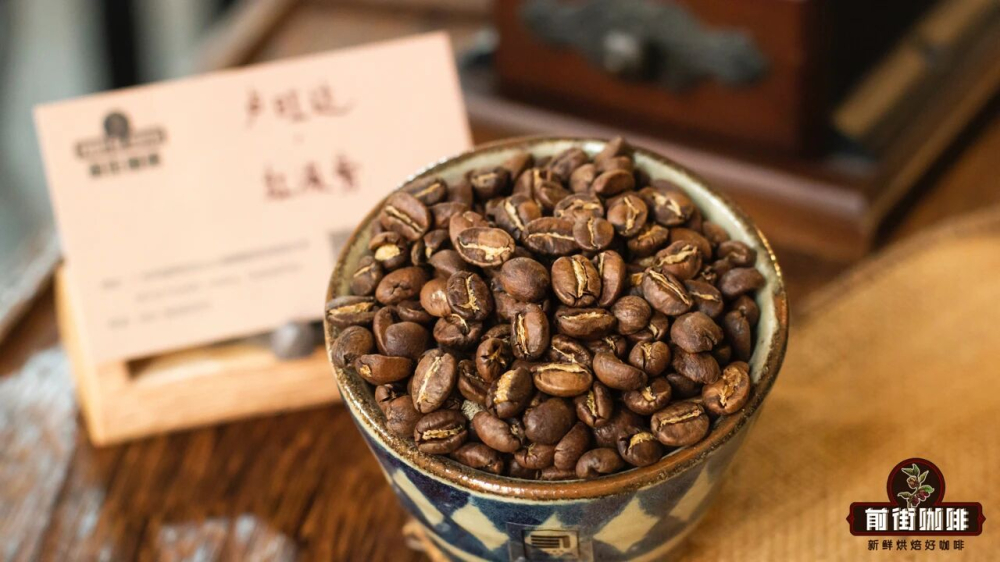
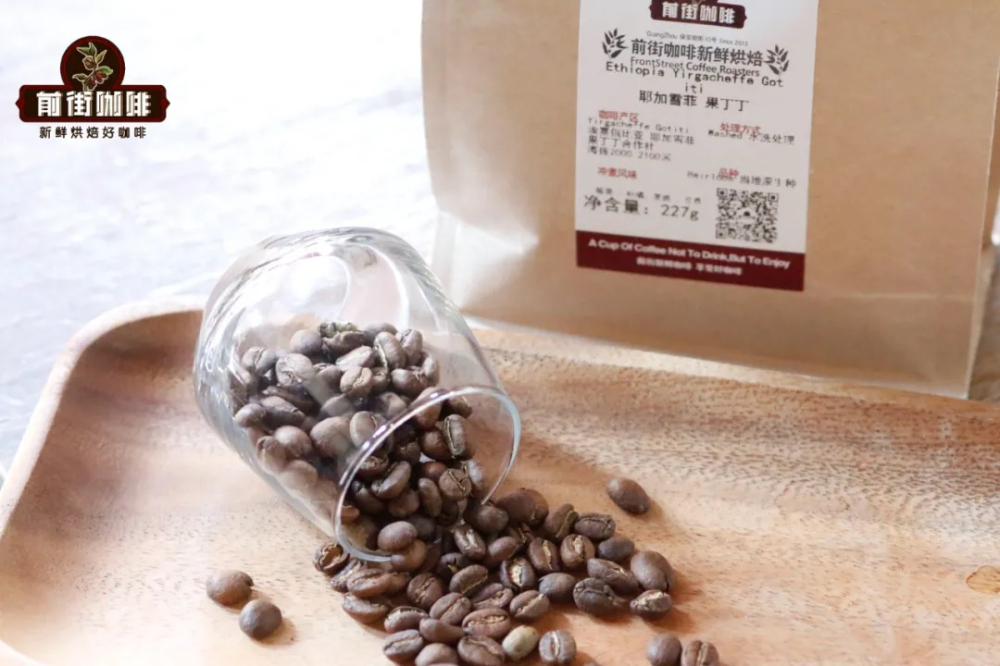
When it comes to the most representative citrus-forward coffees, many people think of Yirgacheffe right away. This classic origin from Ethiopia is renowned for its unique citrus and floral notes, and is not only ideal for pour over but also serves as an entry point for many coffee beginners to understand acidity.
4. Yirgacheffe Guddina: Citrus, tea-like, floral, berries
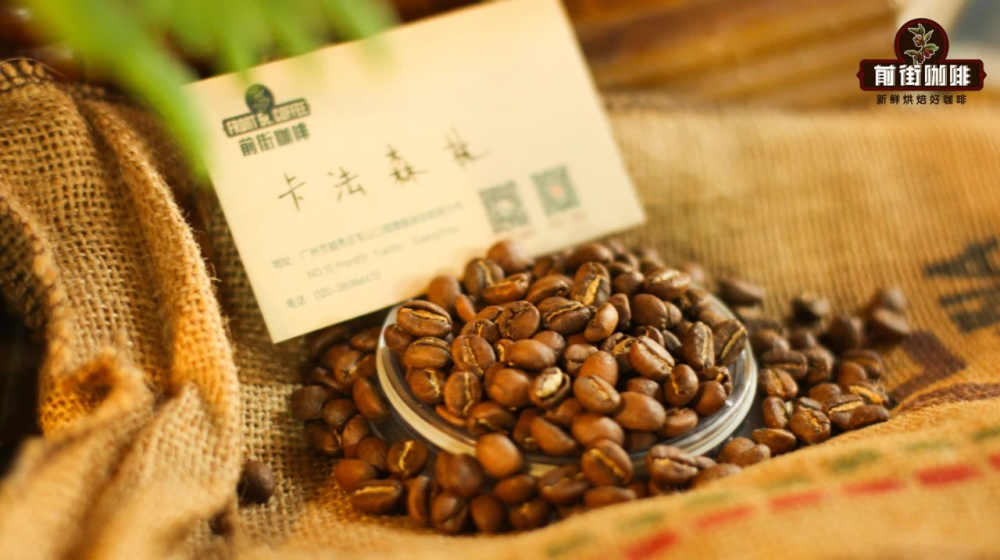
5. Kaffa Forest: Orange, citrus, cream melon seeds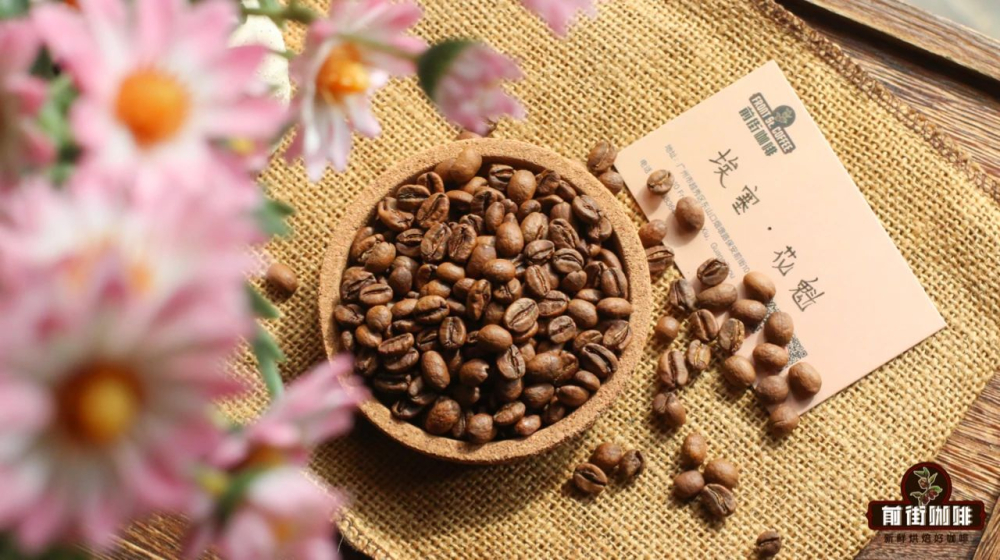
Besides Yirgacheffe, other origins and processing methods can also showcase captivating layers of citrus flavor. For example, some Kenyan beans and certain specially processed Indonesian beans often carry refreshing acidity and citrus-like aromas.
6. Kenya Little Tomato: Cherry tomatoes, pears, black plums, dark plums
7. Yirgacheffe Red Cherry: Berries, the acidity of lemon, along with the aromas of strawberries and wine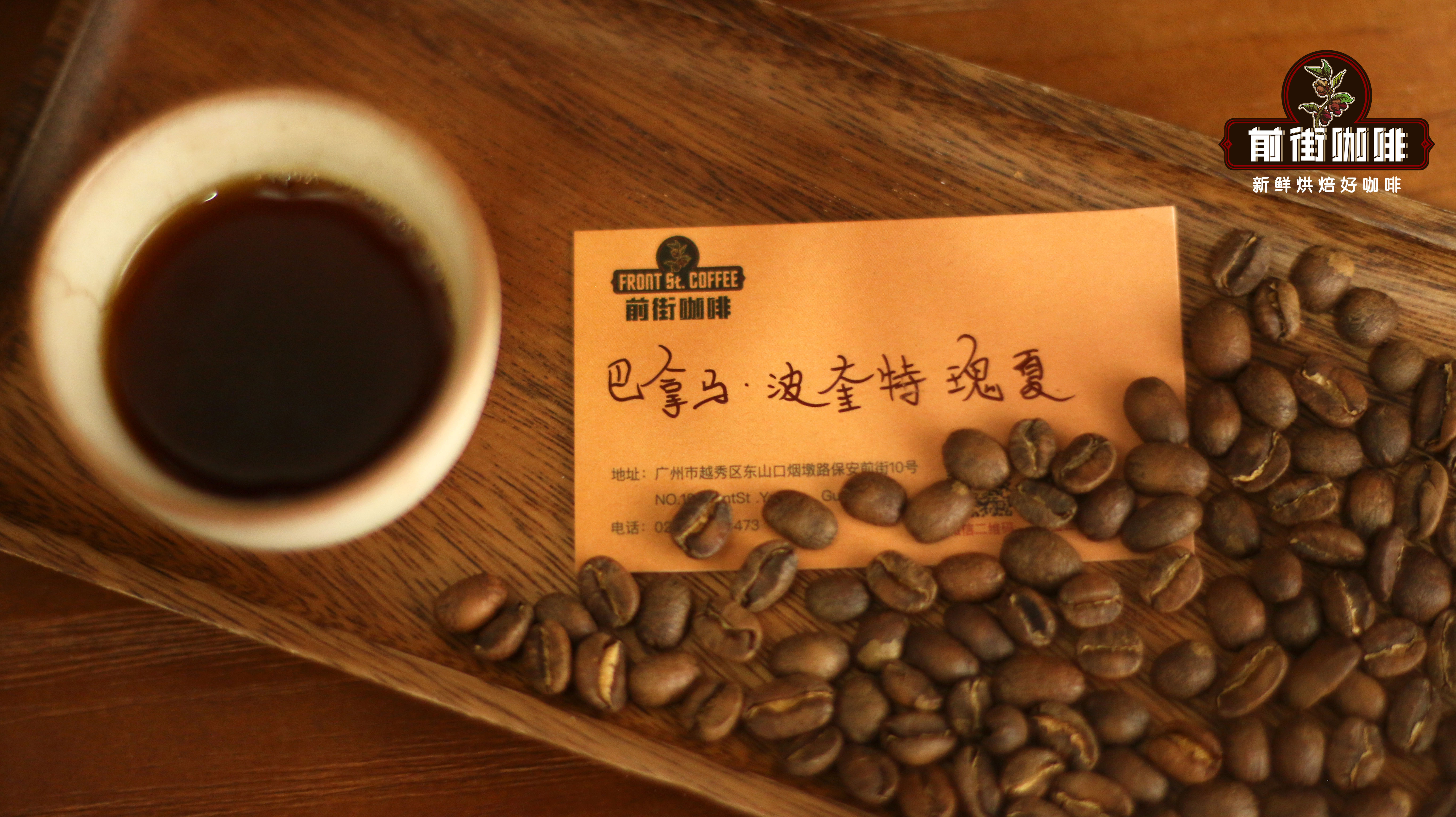
Citrus fruits are widely loved not only for their sweet and tangy taste but also because they are rich in vitamins and antioxidants, making them a great choice for a healthy diet. From oranges and lemons to grapefruits, each type of citrus has its own unique aromatic profile — some sweeter, some more acidic — which corresponds well with the varying citrus notes expressed by different coffee beans.
The reason these fruits smell so pleasant is largely due to the high content of terpenoid compounds in their peels, combined with volatile substances in the flesh such as alcohols, aldehydes, ketones, and esters. These can directly stimulate the human olfactory nerves, producing a sensation that is both invigorating and relaxing. This unique aroma has naturally become an important source of inspiration in the design of many foods and beverages.
Interestingly, coffee itself is a fruit — the coffee cherry. Under moderate roasting, the hundreds of aromatic compounds in the green beans are preserved or transformed. Especially during medium-light roasting, compounds such as decanol, n-hexanol, methyl vinyl carbinol, and prenol are able to emerge. These are the key compounds that give us the perception of citrus aroma.
When we taste coffee, we usually perceive it through three aspects: dry aroma, wet aroma, flavor on the palate, and aftertaste. Unless specific processing is used to deliberately present concrete flavors, most medium-light roasted coffees — whether washed, natural, or honey-processed — will naturally exhibit some kind of citrus-like tone.
This citrus sensation might be the light peel aroma you smell in the dry grounds, the delicate honey-like fragrance released after pouring water, the round and sweet-tart taste when it enters your mouth, or even a slight astringent fruitiness in the aftertaste. These elements combine to often remind us of a certain type of citrus fruit, but it’s hard to pinpoint exactly which one.
In reality, when the flavor wheel or product description mentions "citrus," it could be the slightly sweet sugar orange, the mildly acidic grapefruit, or the balanced sweet-and-sour sweet orange. The final impression varies depending on the coffee bean variety, processing method, roast curve, and your individual taste sensitivity.
Therefore, citrus flavor is not something deliberately created by light roasting — rather, this roast level happens to bring out those delightful fruity qualities in the coffee. Understanding this can help you better identify your preferred flavor direction when selecting beans, and allow you to more fully enjoy the exploration of different origins and processing methods.
The above content is compiled by CoffeeHunters, a coffee news website.


