








Introduction:Many coffee enthusiasts opt for the convenience of having their beans ground by the seller, but when it comes to espresso extraction, this practice actually carries several risks. This article delves into how pre-ground coffee leads to the rapid loss of carbon dioxide, which in turn affects crema formation and extraction performance. It also explains why using whole beans ground just before brewing better preserves the full flavor and structure of the coffee, helping you achieve a richer and more aromatic espresso.
Many coffee bean retailers offer grinding services, which may sound convenient. However, if you plan to use the beans for espresso extraction, it’s generally not recommended to choose pre-ground coffee. The reason isn’t just that flavors tend to dissipate over time—more importantly, once the carbon dioxide contained within the coffee beans is released, it directly impacts crema formation and extraction performance.
After coffee beans are ground into powder, the internal carbon dioxide is released in large quantities within a short period of time, a process that is almost unavoidable, especially without the protection of a degassing valve. While some sellers may seal the degassing valve to slow down flavor loss, the effect on preserving carbon dioxide is actually quite limited. In fact,carbon dioxide plays two key roles in espresso extraction: building crema and regulating water flow rate.These two factors have a significant impact on the final taste of the espresso.

When coffee beans remain whole, the internal carbon dioxide can be effectively sealed in. Typically, in unground and well-stored conditions, these gases and flavor compounds can maintain their activity for up to about 50 days. During this period, the espresso extracted not only has a rich crema but also more full-bodied flavors. However, once the beans are ground into powder, this carbon dioxide rapidly escapes, especially in the first few days when the loss is the greatest, and then it continues to decline daily. Around the 30-day mark, the resulting coffee not only has a thin crema but also shows a noticeable decline in overall flavor.
In addition, carbon dioxide plays a crucial role in controlling the extraction flow rate. When the coffee beans contain sufficient carbon dioxide, it forms tiny bubble structures within the coffee bed, thereby slowing down the speed at which water passes through and making the extraction process more stable. But if carbon dioxide is largely lost, the resistance to water flow through the coffee bed decreases,and the extraction speed will noticeably increase, which can easily lead to under-extraction—the common issue of coffee tasting weak and lacking complexity.
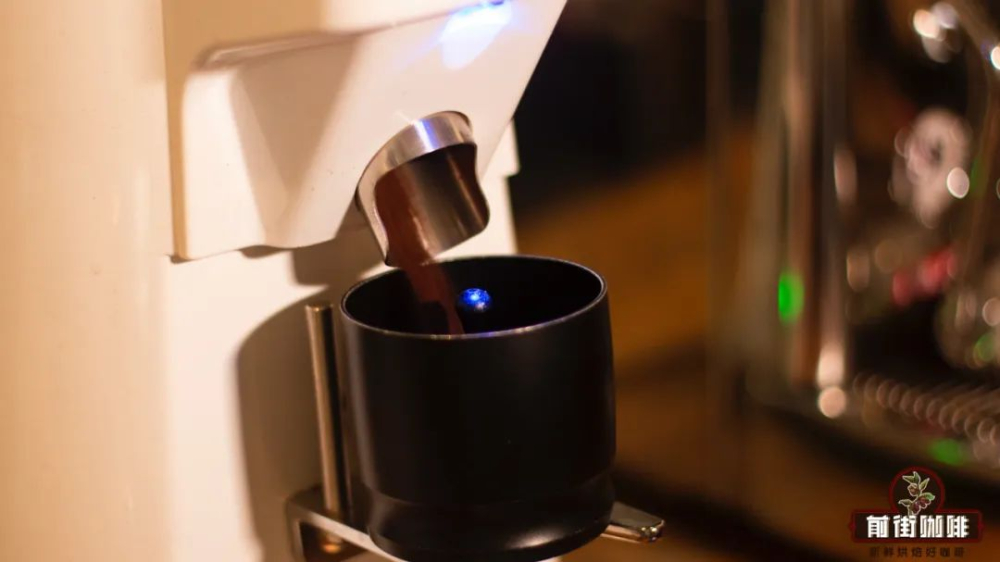
When faced with overly fast extraction, many users try to improve the situation by adjusting the grind size or increasing the amount of coffee used. However, there’s a limit to how fine you can grind—if you go too fine, it can easily cause channeling and may also lead to over-extraction. On the other hand, increasing the coffee dose may seem simple, but it is limited by the design capacity of the portafilter basket. Once the dose exceeds the standard capacity, not only does it become difficult to tamp properly, but it can also affect the evenness of the tamp, further degrading the quality of extraction.
In short, once you opt for pre-ground coffee, especially if it has been ground for several days already, your ability to adjust extraction parameters becomes very limited. You’re often left making do rather than truly unlocking the potential of the beans. That’s why many professional baristas and coffee shops strongly recommend that consumers buy whole beans and grind them fresh according to their own equipment and flavor preferences.
Additionally, it’s worth noting that many grinding services do not tailor the grind size to the characteristics of each individual espresso machine. As a result, the ground coffee you receive may not be suitable for your machine. Such discrepancies can directly affect the stability of the espresso extraction and the final taste, posing too great a risk for users who value consistency and high-quality coffee.
In conclusion, if you want to enjoy an espresso with a thick crema, concentrated flavors, and distinct layers,it’s best to purchase whole beans and grind them just before use. This not only preserves the most carbon dioxide and volatile aromatic compounds but also allows you to adjust the grind size and coffee dose to suit your machine and brewing habits, truly bringing out the potential of the coffee. The difference in performance between pre-ground coffee that has been sitting for too long and freshly ground coffee is far more significant than you might imagine.
The above content is compiled by CoffeeHunters, a coffee news website.


