







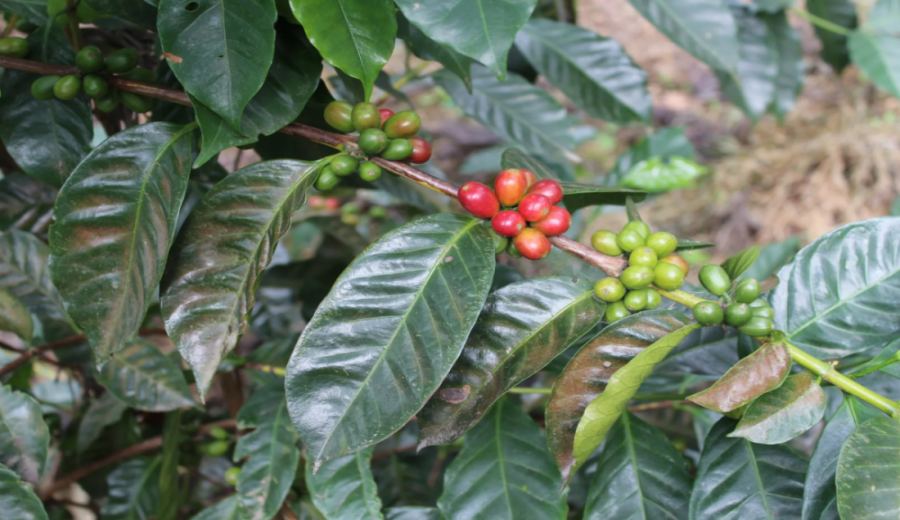
Introduction:Beyond the common Bourbon and Typica, the coffee world is home to many rare varieties that stand out with their unique flavors and cultivation challenges. This article delves into four rare Arabica varieties—Sidra, Wush Wush, Eugenioides, and Laurina—exploring their origins, cultivation difficulties, competition performances, as well as practical flavor profiles and pour over recommendations to help you better appreciate the charm of these specialty-grade beans.
The global coffee market is flourishing, and while classic varieties like Bourbon, Typica, and Geisha are widely known, many rare types are gradually gaining attention. These coffees not only boast distinctive flavor profiles but also captivate coffee enthusiasts and competition participants due to their cultivation challenges and limited production. This article focuses on four highly regarded rare varieties—Eugenioides, Wush Wush, Sidra, and Laurina—taking you through their origin stories, variety characteristics, planting difficulties, and outstanding performances in competitions to fully understand what makes them unique.
Coffee can be divided into three main species: Arabica, Robusta, and Liberica, with Arabica being the backbone of specialty coffee due to its delicate flavors and diverse mutations. Over time, through introduction, mutation, and hybridization, many distinctive new varieties have emerged. In addition to common ones like Caturra and Geisha, lesser-known varieties such as Sidra, Wush Wush, Eugenioides, and Laurina have gradually come to the forefront driven by competitions and market demand.
In 2004, Hacienda La Esmeralda entered the Geisha variety in the Best of Panama (BOP) competition, not only achieving exceptionally high cupping scores but also selling for $21 per pound, sparking a Geisha craze. However, over time, Geisha’s dominance in competitions has waned, making way for more differentiated and rare varieties like Wush Wush, Sidra, Eugenioides, and Laurina, which have become the new favorites in the competitive scene.
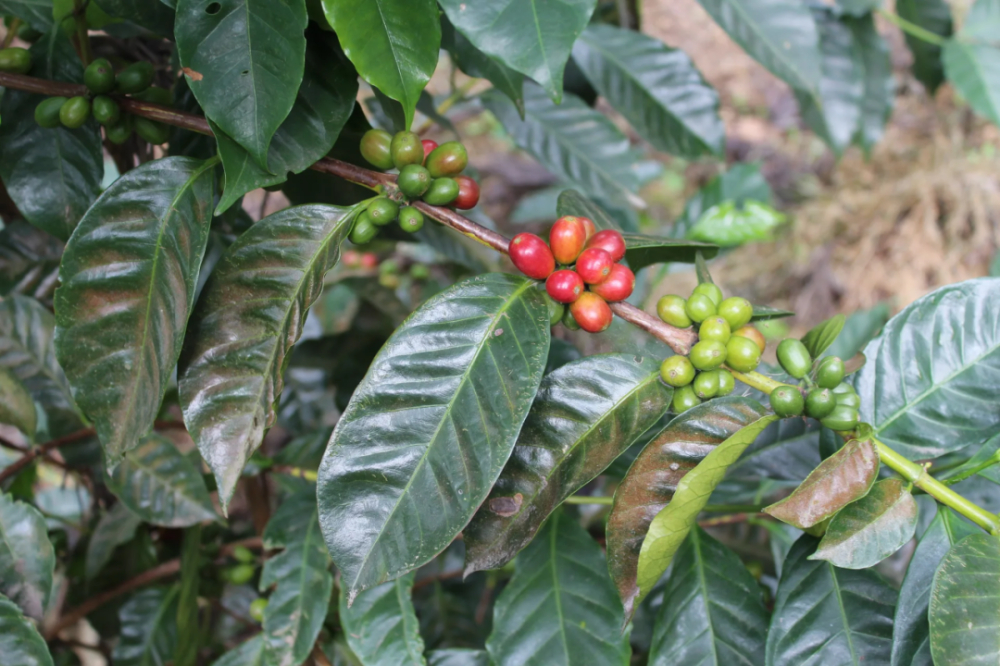
Eugenioides is considered an ancestor of Arabica, originating from the deep high-altitude mountain regions of East Africa. This coffee contains only half the caffeine of common Arabica varieties, delivering a rich sweetness with almost no pronounced citrus acidity, instead excelling in a soft and velvety mouthfeel.However, its plants have weak growth vigor, produce small yields, have low fruit-setting rates on branches, and the fruits tend to drop prematurely.Additionally, they have low resistance to climate change and pests, making cultivation extremely challenging under current growing conditions. As a result, they mostly exist in experimental or very limited plantings, holding significant collection and tasting value.
Wush Wush, also commonly known as “Big Belly Button,” was first discovered in the jungles of Ethiopia’s Kaffa region. Some villages in the area have a long tradition of cultivating this variety, from which its name originates. Around 2002, the Jimma Agricultural Research Center (JARC) selected and cultivated strains from this region with resistance to coffee anthracnose, and the purified variety was officially released in 2006. Wush Wush not only boasts strong disease resistance but also delivers excellent flavor performance. With its introduction to regions like Colombia, it has gradually developed unique regional flavor characteristics due to differences in microclimate, soil, and altitude.
The rise of Sidra is closely tied to the World Barista Championship (WBC).Champions of both the 2019 and 2022 competitions used this variety and claimed victory,propelling it rapidly to the top tier of specialty coffee. Sidra is a natural or artificial hybrid offspring of Typica and Red Bourbon, but genetic analysis shows it is more closely related to native Ethiopian varieties, giving it distinct floral and fruity notes. This variety thrives in high-altitude, shaded environments. Although its yield is relatively stable and it shows resistance to leaf rust and certain pests, it is prone to coffee berry disease. Currently, it is mainly produced in South America, such as Ecuador and Colombia. A particular brand’s Colombian Divide Estate Sidra, processed with double anaerobic natural fermentation and brewed with a V60 filter at a 1:15 coffee-to-water ratio, showcases a rich array of flavors including grape, passion fruit, and citrus, along with a hint of fermentation, resulting in a round and full-bodied mouthfeel.
Laurina, also known as “Lingzhi Bourbon,” was first discovered on Réunion Island in the Indian Ocean. This variety is renowned for its extremely low caffeine content.Compared to typical Arabica varieties, its caffeine content is roughly only about half,resulting in a refreshing flavor that is less likely to cause palpitations, making it suitable for consumers who prefer a lower-stimulation taste. In 2018, competitor Emi used anaerobically fermented Laurina in the World Brewers Cup, successfully drawing widespread attention. However, since caffeine also serves as a natural pest deterrent, Laurina is inherently weaker in insect resistance, and its slow growth rate makes large-scale commercial cultivation very challenging. Currently, Brazil’s Campinas Agricultural Institute (IAC) is actively engaged in research and trial planting of this variety, hoping for future breakthroughs.
The above content is compiled by CoffeeHunters, a coffee news website.


