







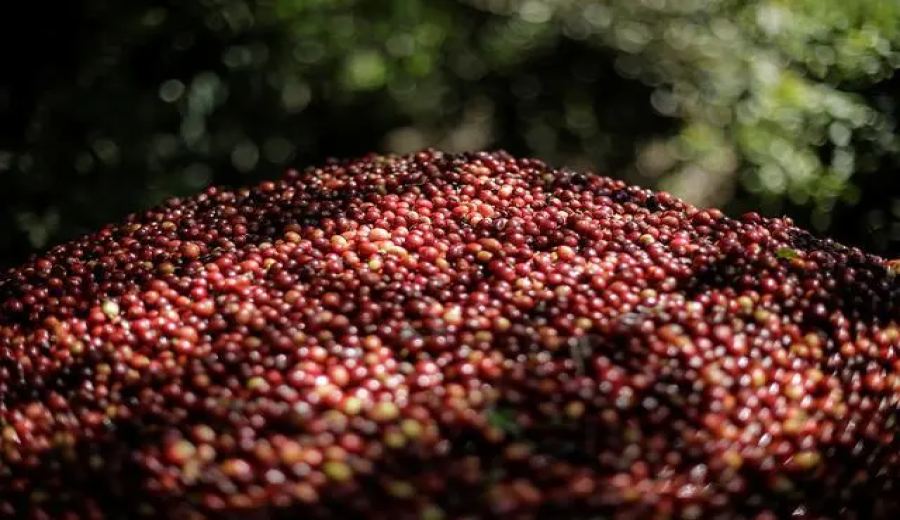
Introduction:In recent years, Central American coffee-growing regions have faced unprecedented challenges, from extreme weather to labor shortages—factors that are driving up international coffee prices. Understanding these underlying causes can help both consumers and industry players grasp market trends and recognize the importance of sustainable supply chains.
The coffee industry in Central America is caught in a compound crisis, with extreme weather changes and human resource shortages hitting the region hard, leading to a significant decline in coffee production and further exacerbating global market price fluctuations.
Take Costa Rica as an example: according to research by local official agencies, coffee production in the 2023/24 season is expected to drop by about 13% compared to the previous harvest. This decline is mainly due to unstable rainfall patterns and a shortage of agricultural labor. Irregular rainfall, including sudden heavy rains and strong winds, not only disrupts the normal growth rhythm of coffee trees but also increases the risk of disease, particularly fungal infections. To mitigate the impact of weather, farmers need to invest more resources in planting protective trees, but the labor shortage makes this task even more difficult.
U.S. official agricultural reports further indicate that coffee harvest labor in Costa Rica largely relies on cross-border workers from Nicaragua and Panama. However, due to changes in migration trends, many Nicaraguan workers are choosing to seek opportunities in the United States, leading to a noticeable labor gap locally. Moreover, unstable weather has caused coffee trees to flower earlier, affecting the overall rhythm and quality of the harvest season.
In neighboring Nicaragua, the situation is equally dire. According to observations by the country’s climate monitoring unit, the impact of the El Niño phenomenon is expected to last until mid-May this year, with drought conditions potentially easing only between July and September. At the same time, domestic political instability has led to significant population outflows, with an estimated 200,000 Nicaraguans having left the country, including many who were previously engaged in agricultural work. This labor exodus directly threatens the yield and quality of the 2023/24 coffee harvest, causing concern among many local producer organizations.
Panama’s situation is even more complex. In addition to prolonged drought, the canal transit crisis continues to unfold, significantly impacting the global supply chain. The Panama Canal is one of the world’s key shipping routes, handling about 3% of global maritime trade and 46% of container traffic from Northeast Asia to the U.S. East Coast, and it is also a major source of foreign exchange for the country. However, due to water shortages, the number of ships passing through the canal daily has plummeted to 24, far below the pre-pandemic level of 38, and is unlikely to recover in the short term. This situation has forced some shipping companies to reroute, increasing travel distance and time, which in turn has driven up transportation costs for goods—including coffee.
Additionally, recent protests in Panama have also disrupted the coffee industry. The government’s approval to restart a large-scale copper mining project sparked large-scale demonstrations involving environmental groups and local residents, with some protesters being coffee plantation workers. Although the government later ordered the relevant mining company to suspend operations, the earlier unrest has already affected coffee harvesting schedules, compounding the challenges already posed by drought in the region.
Overall, from abnormal weather to shifts in the labor structure, and from infrastructure and policy-driven ripple effects, Central American coffee-growing regions are under multiple pressures. These not only affect the livelihoods of local farmers but also transmit through the supply chain to the global market, keeping coffee prices at high levels. For consumers, understanding these backgrounds helps foster greater appreciation for the story behind each cup of coffee, while also reminding industry players to re-examine the importance of supply stability and sustainable sourcing.
The above content is compiled by CoffeeHunters, a coffee news website.


