







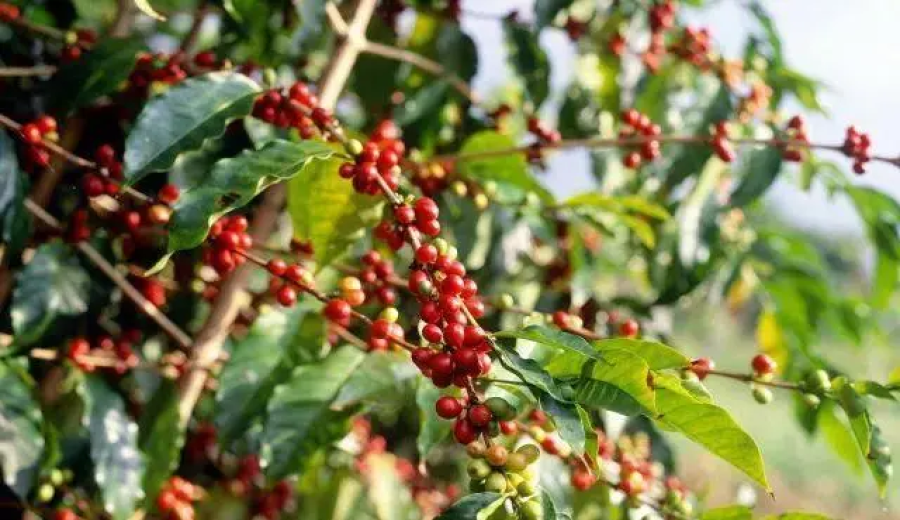
Introduction:Dive deep into how Ethiopia’s Guji region has nurtured the highly acclaimed Huaca coffee beans—from their first international appearance in 2017 to the current 7.0 version. This article details the evolution of their varietal, the regional background, and flavor characteristics. It also shares a hands-on pour over experience, analyzing the distinct flavor profile of citrus, apricot, and passion fruit, guiding you through the key brewing essentials for this classic natural-processed bean.
Ethiopia is not only the cradle of global Arabica coffee but also home to over ten thousand coffee varieties that remain largely uncategorized—making it a genetic treasure trove in the coffee world. Among its many producing regions, Guji, located in the southeast and with an average altitude exceeding 2,000 meters, stands out due to its unique microclimate and traditional processing methods. This region has given rise to the internationally renowned Huaca coffee beans. Guji is not just a symbol of coffee quality, but also the origin of many competition-grade beans.
Guji was once part of the Sidama region until it was officially designated as an independent region by the Ethiopia Commodity Exchange (ECX) in 2010. Among Guji’s many sub-regions, Hambella, with its high altitude and special microclimate, has become the main production area for Huaca coffee. This area faces the Kochere mountains of Yirgacheffe, with coffee primarily grown at altitudes between 2,100 and 2,300 meters. The exceptional environment allows the coffee cherries to accumulate abundant sugars and aromatic compounds.
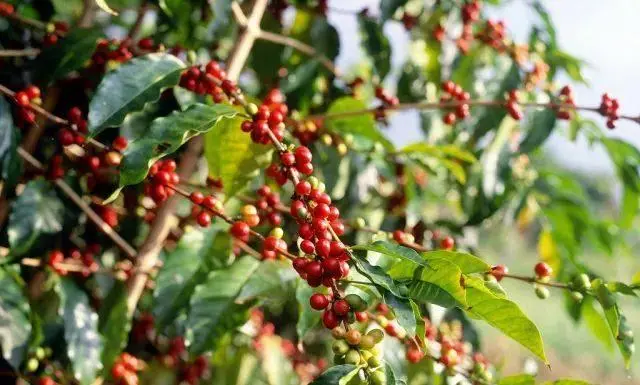
Huaca coffee made its first appearance in 2017 at the TOH (Ethiopia National Taste of Harvest Competition). That year, a natural-processed lot from the “Buku Abel” washing station in Hambella won the competition with its intense strawberry cream profile. The beans were subsequently introduced to China by a local green coffee trader and named “Huaca,” quickly sparking widespread discussion in the coffee community. In the same year, Li Jianfei, the runner-up in China’s Barista Championship, also used this batch of Huaca in the competition, further boosting its international recognition.
The championship lot that rewritten Huaca’s history came from the natural-processed batch of the “Buku Abel” washing station. Later, DW Company continued to expand its processing facilities in Hambella. It now operates four washing stations: “Buku Abel,” “Buku Saysay,” “Haro Soresa,” and “Tirtiro Goye,” with an annual production capacity of about 1,100 tons. However, industry consensus holds that only the natural-processed batches from “Buku Abel” can be considered authentic “Huaca coffee beans.”
Since 2018, the Huaca series has continuously released new versions, evolving from 2.0 and 3.0, to 3.1, and up to the 7.0 version in 2023. Although each generation of Huaca maintains a similar regional background and processing method, the increasing number and output of DW’s washing stations have gradually led to differences in flavor compared to the original 2017 debut. Some coffee enthusiasts note that the newer generations exhibit variations in aroma complexity and fermentation notes, yet still retain the signature richness and fruity foundation of the Guji region.
The sample we tasted was the 2023 Huaca 7.0, also from the Buku Abel washing station and processed using the traditional natural method. We used a V60 filter with a 1:15 coffee-to-water ratio for pour over, recommending a water temperature between 92–94°C and a grind size around medium-fine (e.g., BG 15–16), which effectively highlights its fruity acidity and aroma layers. The first sip reveals a clear brightness of citrus and the sweetness of apricot, while the finish carries subtle fermented notes along with a tropical fruit aftertaste reminiscent of passion fruit. The overall mouthfeel is round and the finish lingers pleasantly, with delicate tea-like notes in the aftertaste.
Overall, although Huaca 7.0 shows slight differences in detail compared to the original, it still carries the soul of high-altitude natural-processed beans from the Guji region. It is an excellent choice for those wanting to deeply explore the flavor characteristics of African coffee. Whether you’re a beginner in pour over or a seasoned coffee enthusiast seeking regional distinction, this bean offers a rich sensory experience and valuable insights into flavor profiles.
The above content is compiled by CoffeeHunters, a coffee news website.


