








Introduction:During the humid and rainy season, baristas often face the challenge of unstable espresso extraction. High humidity not only causes coffee beans to absorb moisture and deteriorate but also affects the pressure and extraction efficiency of the espresso machine. This article delves into how to stabilize espresso extraction in a humid environment, offering practical operational details from bean storage, grind adjustment, to parameter calibration to help you maintain consistent flavor in every cup.
With consecutive days of overcast and rainy weather, the air humidity skyrockets. For baristas, the biggest challenge is often not the technique itself, but how to maintain the stability of espresso extraction. A humid environment can easily cause coffee beans to absorb moisture from the air, affecting not only aroma and flavor but also disrupting normal extraction performance. Additionally, the pressure output of the espresso machine may weaken due to changes in humidity, leading to uneven extraction or flavor imbalance. This article will guide you through practical tips and precautions for making espresso on rainy days, focusing on three key aspects: reducing bean moisture exposure, adjusting grind and dose, and increasing the frequency of parameter calibration.

Although spring has not yet arrived, the misty and rainy weather has come early, momentarily giving the illusion of blooming flowers. However, for baristas who strive for consistent flavor every day, the most challenging aspect of humid weather is fine-tuning the parameters for espresso extraction. In a dry environment, coffee beans remain relatively stable, and even using the same settings the next day can still yield ideal flavors. But under high-humidity conditions, the situation is entirely different.
Moisture in the air gradually seeps into the coffee beans, altering their density and moisture content, which in turn changes the speed at which water flows through during extraction, affecting the concentration and mouthfeel of the espresso. At the same time, if moisture mixes into the grinding process, it can further lead to flavor distortion or uneven extraction. Moreover, the pressure output of the espresso machine may also decline in a humid environment, exacerbating the issue of unstable extraction.
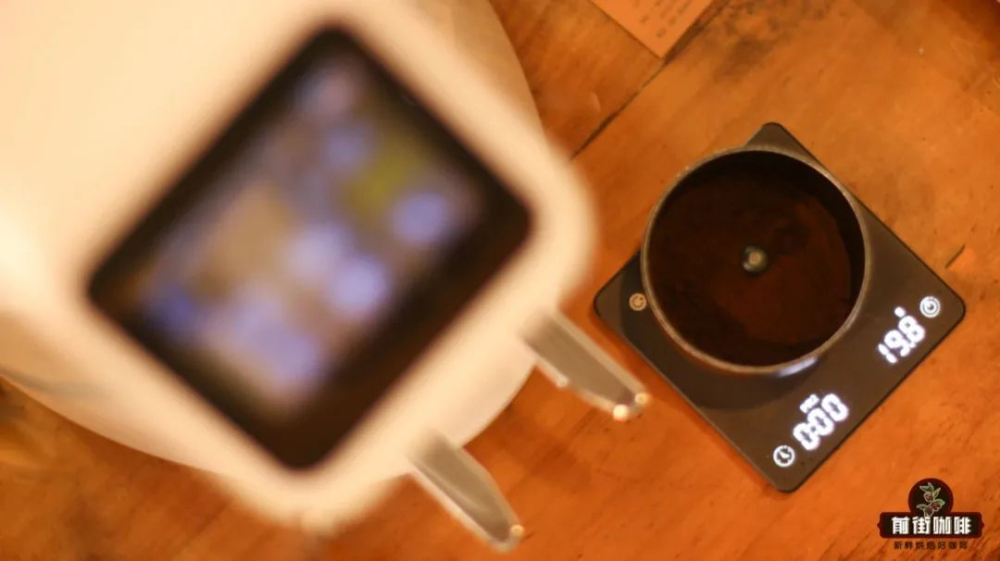
Insufficient pressure directly weakens extraction capability. When coffee beans are already denser due to humidity, if the pressure fails to meet the standard, the espresso extraction process becomes extremely unstable. Therefore, adjusting espresso extraction in humid weather requires more patience and preparation. Constant fine-tuning based on the state of the beans and the environment is necessary to maintain consistency in the final product.
When facing humid weather, the top priority is to reduce the contact between coffee beans and moisture. It is recommended to keep doors and windows tightly closed to prevent external humid air from entering the roasting space. If the shop is equipped with an air conditioning system, the dehumidification function can be turned on to effectively lower indoor humidity. Especially during non-operational hours at night, when coffee beans sit idle for long periods, humidity is often higher. It is advised to pour the beans back into their original packaging bags after closing and seal them properly to avoid prolonged exposure to humid air.
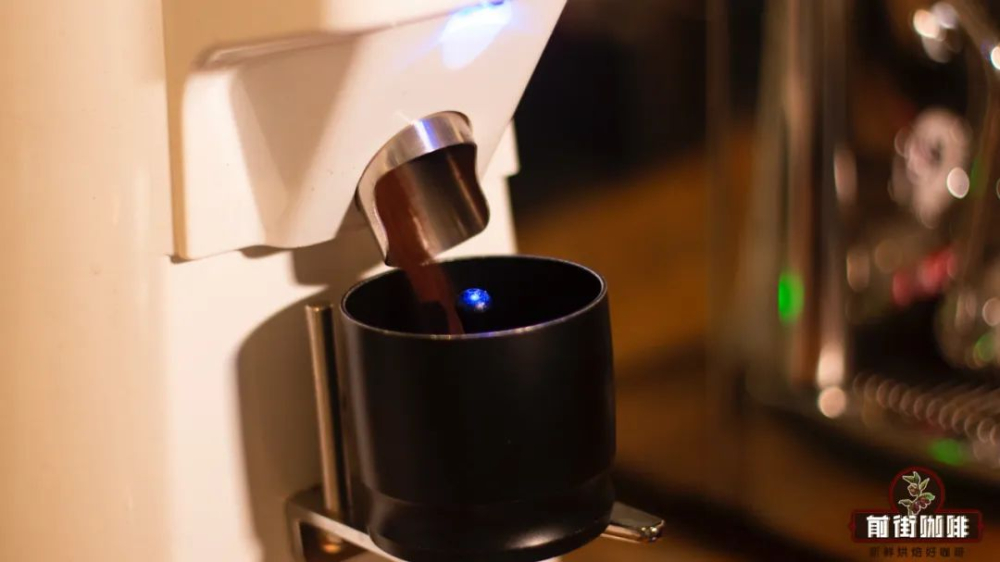
In addition, daily cleaning of the bean hopper should not be overlooked. Coffee beans release oils in a humid environment, and if not cleaned promptly, these oils may adhere to the inner walls of the hopper. Over time, this can produce off-flavors and affect the taste of the coffee. At the same time, the burr grinder also needs regular cleaning to prevent coffee grounds and moisture from mixing, which could cause corrosion or operational issues.
In a high-humidity environment, the pressure output of the espresso machine is often affected, thereby altering extraction performance. If your espresso machine does not allow pressure adjustment, it is recommended to compensate for insufficient pressure by adjusting the grind fineness and dose. Generally speaking, when pressure is low, the speed at which water passes through slows down, extending the extraction time. In such cases, consider grinding the beans slightly coarser and appropriately increasing the dose. This helps balance the extraction pressure and avoids the issue of compacted coffee pucks caused by over-grinding.
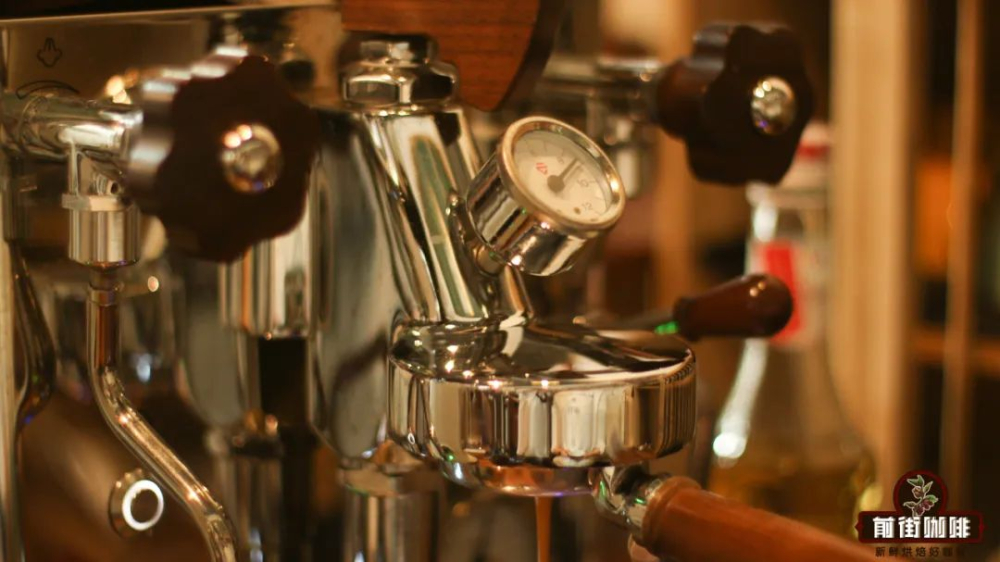
It is worth noting that adjusting the grind and dose is only a temporary solution. The best approach is still to maintain stable extraction pressure. If your machine has a pressure adjustment feature, it is recommended to first check and calibrate the pressure setting to ensure it is within the standard range (usually around 9 bar), and then proceed with fine-tuning other parameters.
Another major challenge in humid weather is that coffee beans interact quickly with the environment, making it difficult to keep extraction parameters stable for long periods. Even if you dial in the ideal extraction settings in the morning, a few hours later, as the moisture content of the beans and the ambient humidity change, the same set of parameters may no longer be suitable. Therefore, for professionals running coffee shops, it is advisable to increase the frequency of espresso parameter adjustments from once every half-day or day to once every four hours. This allows you to respond promptly to changes in bean condition and environment, ensuring consistent flavor in every cup of espresso.
In summary, making stable espresso in a humid climate requires a comprehensive approach covering environmental control, bean storage, grind adjustment, and parameter calibration. Through careful observation and flexible adjustments, even on gloomy, rainy days, you can still deliver a consistently flavorful and high-quality espresso experience to your customers.
The above content is compiled by CoffeeHunters, a coffee news website.


