







Introduction:Many pour over coffee enthusiasts directly apply common extraction frameworks in practice, such as keeping the total brew time around two minutes. However, even when using the same coffee-to-water ratio and grind size, different filter cones can lead to noticeably different extraction times. What causes this? How do the shape of the filter cone, the design of the drainage holes, and the structure of the flow-guiding ribs affect water flow speed and the final flavor? This article provides an in-depth analysis of the relationship between filter cone selection and parameter adjustments through a side-by-side test of the V60 and a flat-bottom (cake) filter cone, helping you master pour over techniques more scientifically.
During the pour over process, many coffee lovers tend to follow a set of “standard” extraction parameters, such as aiming for a total brew time of around two minutes. But in practice, even with the same coffee dose, water temperature, and grind size, switching the filter cone can result in significant differences in extraction time—sometimes even extending to two minutes and twenty seconds. The key factor behind this phenomenon is often closely related to the design of the filter cone itself.
What specific design details cause such differences? The overall shape of the filter cone, the size and number of the central drainage holes, and the arrangement of the internal flow-guiding ribs all directly influence how quickly water passes through, thereby altering the efficiency of coffee extraction and the resulting flavor profile. This article will use two commonly available filter cones—the V60 and a flat-bottom (cake) filter—as examples. Through actual extraction comparisons, we’ll explore whether it’s necessary to adjust your original brewing framework when dealing with filter cones of different flow speeds, and how to properly view the parameter of extraction time.
In many pour over tutorials, it’s commonly recommended to maintain a total extraction time of about two minutes, which is generally considered a reference value for achieving balanced flavors. However, there are real-world cases where users followed the recommended parameters but found the extraction time extended to two minutes and twenty seconds. After troubleshooting step by step, the issue was ultimately traced to the difference in filter cones—for example, the tutorial used a V60, while the user opted for a flat-bottom (cake) filter. This brings us to the core question of this article.
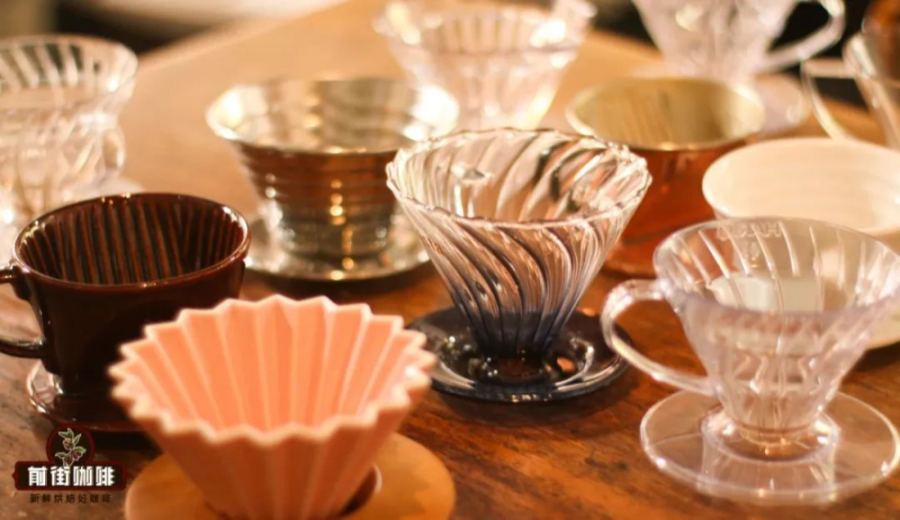
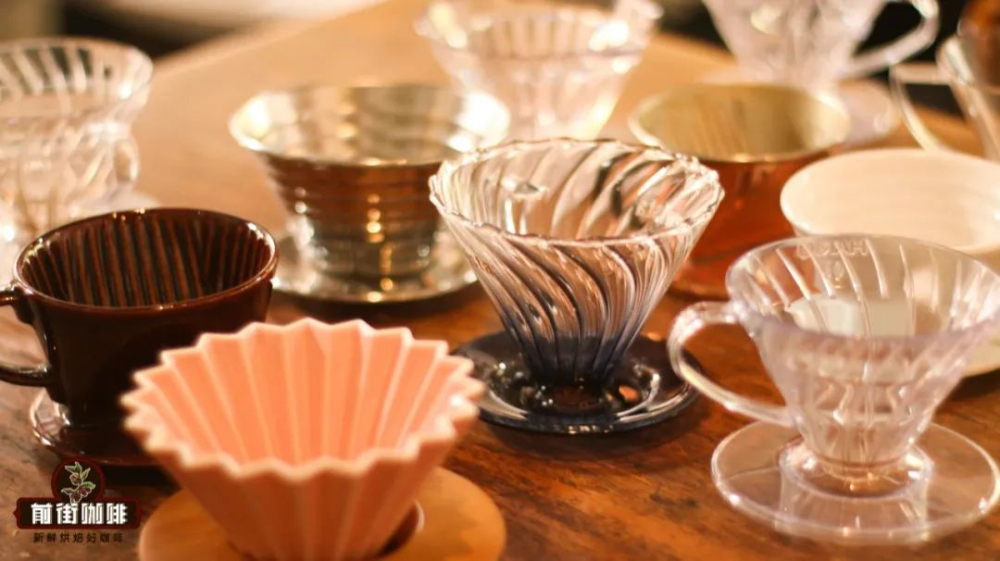
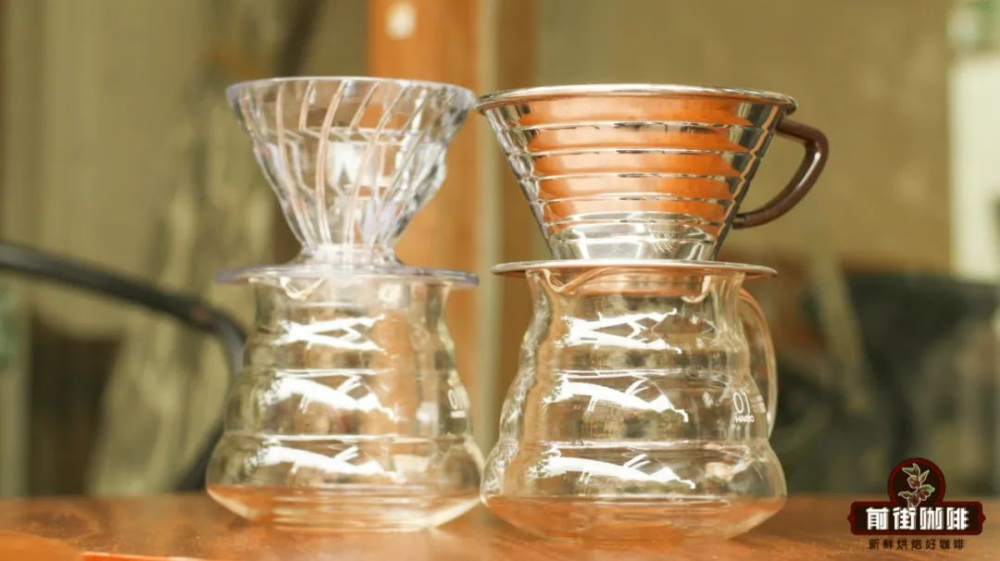
In fact, the differences between various filter cones go far beyond their outward appearances. The overall shape of the cone, the diameter and number of the central drainage hole(s), and the distribution and angle of the internal flow-guiding ribs all have a tangible impact on how smoothly water flows through. Broadly categorized by shape, the commonly available filter cones on the market can be divided into three main types: trapezoidal or fan-shaped, conical, and flat-bottomed or cake-style designs.
Whether the change involves the shape of the filter cone, the size of the drainage hole, or the configuration of the flow-guiding ribs, these design variables ultimately converge on one key element—water flow speed. And this is one of the most important variables to consider first when designing your brewing parameters. For example, filter cones that are designed to highlight distinct layers and vibrant flavor profiles typically have faster water flow speeds. The V60, Chuanliu, B75, Origami, and Bingtong are all representatives of this type.
Conversely, if a filter cone is designed to deliver a more balanced mouthfeel and a solid flavor foundation, its flow speed is usually slower. Examples include the Kono, Infinite Filter, flat-bottomed filter cone, and cake filter cone—all typical of this category.
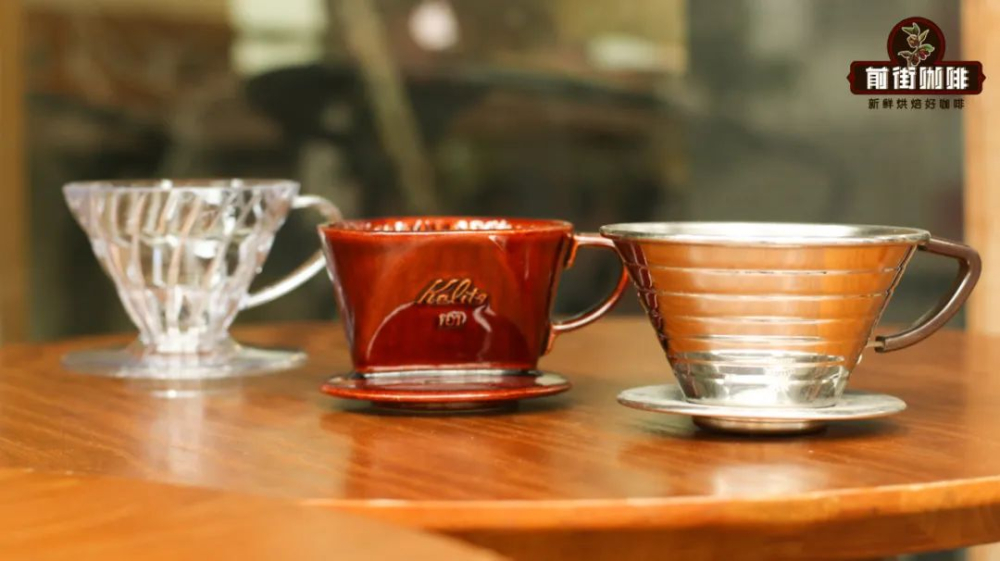
A previous experiment conducted a horizontal comparison of the water flow speeds of multiple filter cones. The results showed the approximate order from fastest to slowest flow as follows: B75 > Chuanliu ≥ Xingmang > Bingtong > V60 ≥ Origami > Flat-bottom Cake (3 holes) > Kono > Kalita Fan (3 holes) > Infinite Filter > Melitta Fan (single hole). This data clearly demonstrates that different filter cones exhibit significant differences in water flow performance under the same conditions.
Returning to the original question: When we switch filter cones, do we also need to adjust our brewing parameters and techniques accordingly? To find the answer, we conducted a set of comparative experiments using both a faster-flowing V60 and a slower-flowing cake filter cone, applying the same set of parameters to observe the differences in performance.
The coffee used in the experiment was a Panamanian Hartmann Gesha, commonly described as having bright pineapple juice acidity, Earl Grey tea aroma, blueberry fruit sweetness, and a finish of apricot. The experimental parameters were set as follows: 15 grams of coffee, 75% extraction through a #20 sieve, 1:15 coffee-to-water ratio, 92°C water temperature, and a three-pour brewing technique.
The specific steps were as follows: Both filter cones began with a 30-second bloom using twice the coffee dose in water (30 milliliters). After the bloom, the second pour of 120 milliliters of hot water was added slowly in a large circular motion. When the water level dropped close to the bottom of the filter paper, the third pour of 75 milliliters was added slowly in a small circular motion until the dripping was complete, and the total extraction time was recorded.
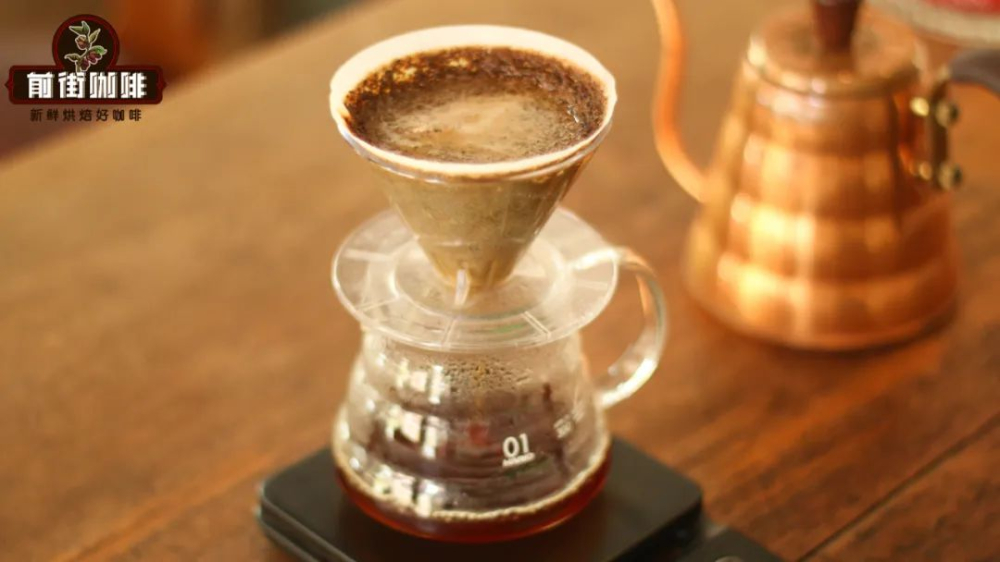
The experimental results showed that the total extraction time using the V60 was 2 minutes and 1 second, while the cake filter cone took 2 minutes and 18 seconds. In terms of flavor, the Hartmann Gesha brewed with the V60 exhibited rich juiciness, bright and uplifting acidity, and an Earl Grey tea aroma in the finish. Meanwhile, the cake filter cone version showed a more pronounced blueberry sweetness, relatively softer acidity, retained the Earl Grey tea aftertaste, and had an overall fuller body.
This shows that even when directly applying brewing parameters originally designed for the V60 to a slower-flowing cake filter cone, although the extraction time is extended, it is still possible to successfully extract the main flavor characteristics of the coffee bean.
The commonly heard advice that “extraction time should ideally be kept around two minutes” actually comes with specific prerequisites—including using 15 grams of coffee, a three-pour technique, and a faster-flowing filter cone like the V60. If you directly transplant these parameters to a slower-flowing filter cone, the extraction time will naturally lengthen accordingly.
Of course, we can also choose to adjust the grind size or pouring speed in an attempt to compress the extraction time of a slow-flowing filter cone back to around two minutes. But such adjustments often easily lead to flaws in flavor expression—for example, a thinner mouthfeel, insufficient flavor layers, or even uneven extraction issues.
Based on comprehensive hands-on experience and observation, we can conclude that the primary purpose of adjusting brewing parameters is not simply to achieve a specific time figure, but to make necessary fine-tuning based on the actual flavor expression. As long as the resulting cup of coffee meets expectations, whether the extraction time is two minutes or two minutes and twenty seconds, it should be considered a reasonable outcome.
In other words, the choice of filter cone affects flow speed, and the difference in flow speed changes the extraction time. We should adjust flexibly according to the actual situation, rather than rigidly adhering to a fixed time frame. As long as the final coffee flavor satisfies you, that is the brewing method that’s right for you.
The above content is compiled by CoffeeHunters, a coffee news website.


