







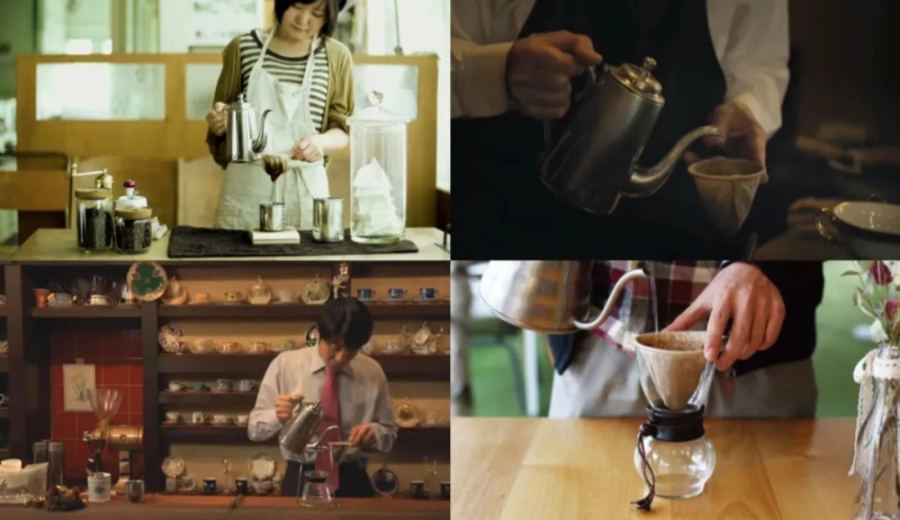
Introduction:The extraction flavor of pour over coffee is closely related to the filtering medium. French press-style cloth filters and traditional paper filters each have their unique advantages—the former, with its soft and breathable characteristics, brings out a rich and full-bodied coffee profile, while the latter excels in delivering a clean and bright cup. This article delves into the developmental background, structural differences, and actual brewing performance of these two materials, and also shares maintenance tips for cloth filters to help coffee enthusiasts choose the most suitable brewing method based on their preferences.
In the world of pour over coffee, the choice of filtering medium often determines the direction of the final flavor. Although both French press-style cloth filters and common paper filters can effectively separate coffee grounds, they differ significantly in material properties, extraction efficiency, and flavor presentation. For coffee lovers seeking delicate textures and rich layers, understanding these differences is crucial.
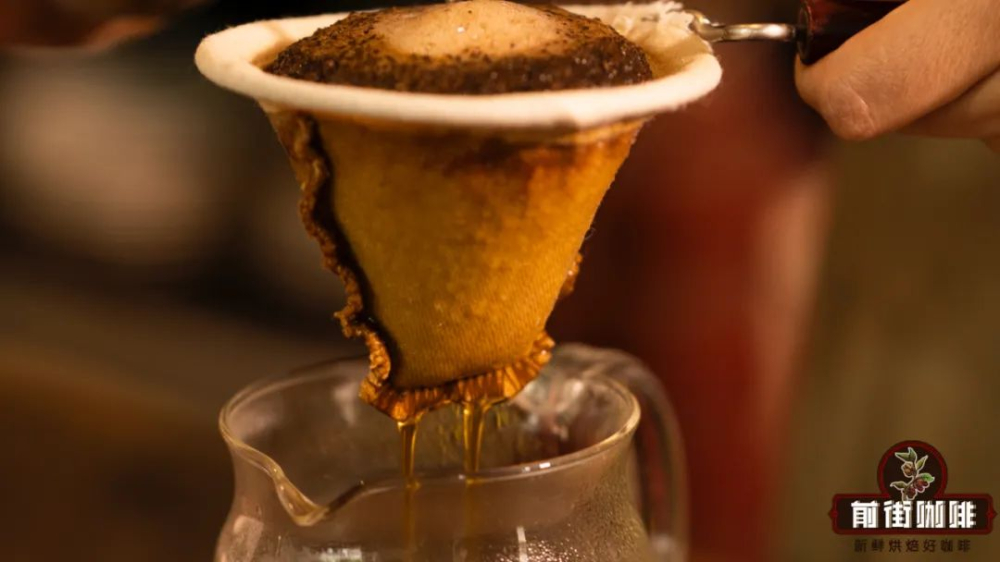
The history of French press-style cloth filters dates back several decades, initially developed by European craftsmen to enhance the coffee brewing experience. This fabric, woven from natural fibers, features a unique capillary structure that allows water to pass more evenly through the coffee grounds while retaining more oils and aromatic compounds. In contrast, paper filters are a more modern product, widely favored for their convenience and hygienic qualities.
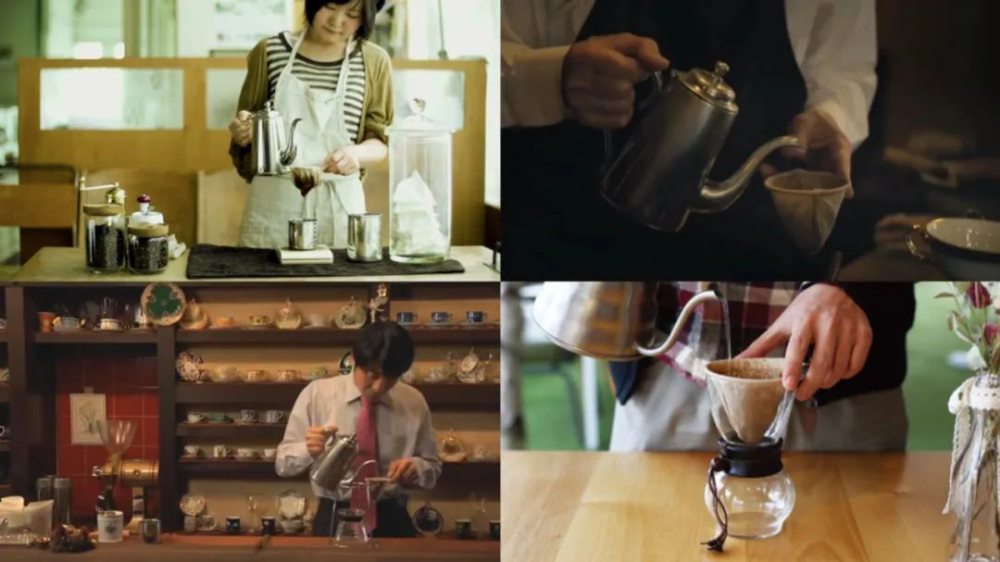
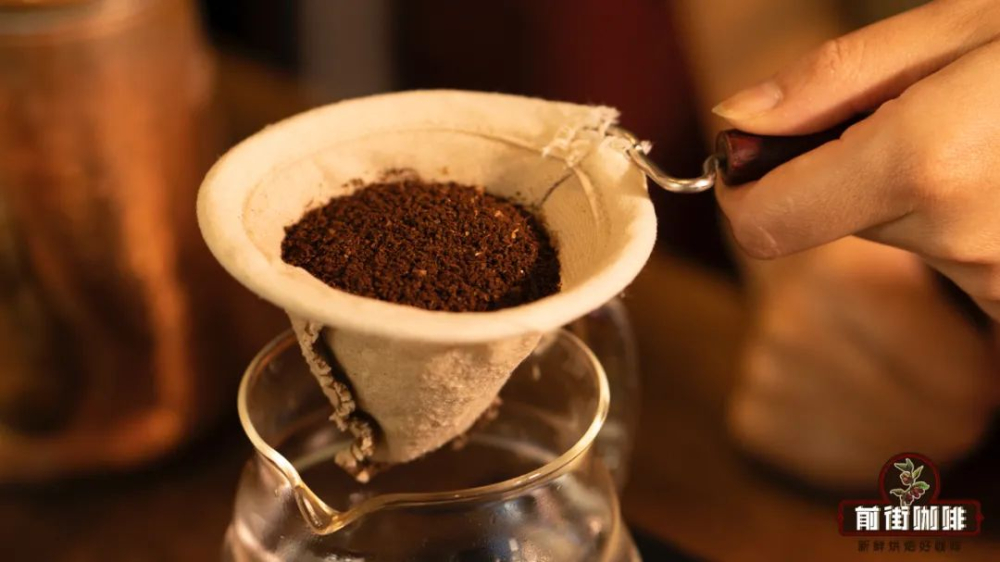
In terms of material properties, French press-style cloth filters are usually made from wool or a cotton blend—natural fibers that offer excellent breathability and thermal retention. These properties help maintain a more stable brewing temperature, which aids in extracting a greater variety of complex flavor compounds from the coffee. Paper filters, on the other hand, are typically made from wood pulp or plant fibers and are pressed into shape. While they provide a cleaner taste, they may also filter out some subtle aromatic components.
In terms of usage, French press-style cloth filters require more preparation. Before use, they must be thoroughly wetted with hot water to fully expand and preheat the fabric—a step that takes about 30–60 seconds. Additionally, cloth filters need to be cleaned promptly after each use and stored properly. It’s recommended to gently hand wash them with warm water after each use, avoid using detergent, and let them dry flat to prevent deformation.Using paper filters is relatively simple—just place the filter in the brewer, rinse it with hot water to remove any paper taste, and you’re ready to brew..
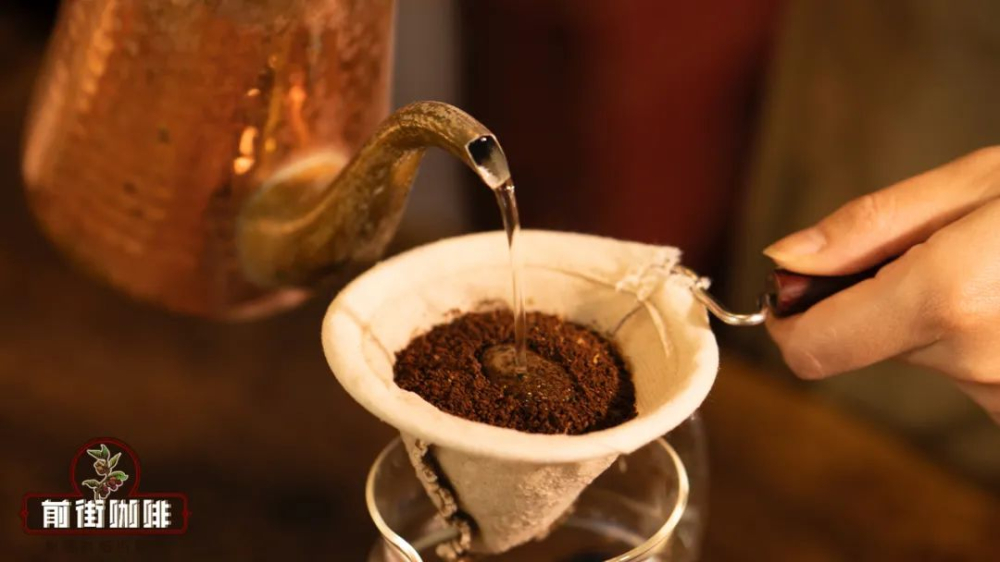
In terms of flavor, coffee brewed with a French press-style cloth filter usually has a rounder mouthfeel and a more pronounced body, thanks to its ability to retain more coffee oils. At the same time, the cloth filter can also highlight deeper aromatic notes in the coffee, such as caramel and chocolate, bringing out more complex flavors. Coffee brewed with a paper filter, on the other hand, often results in a clearer and brighter cup with more pronounced acidity, making it ideal for showcasing the inherent characteristics of the coffee beans.
Maintenance is a key aspect of using a French press-style cloth filter. After each use, the filter should be rinsed immediately with warm water to remove residual coffee oils and stored in a dry, ventilated place. If not used for an extended period, it’s recommended to fold the cloth filter and store it in a sealed bag to prevent moisture and mold.Regularly inspect the condition of the cloth—if you notice any fiber loosening or deformation, it should be replaced promptly..
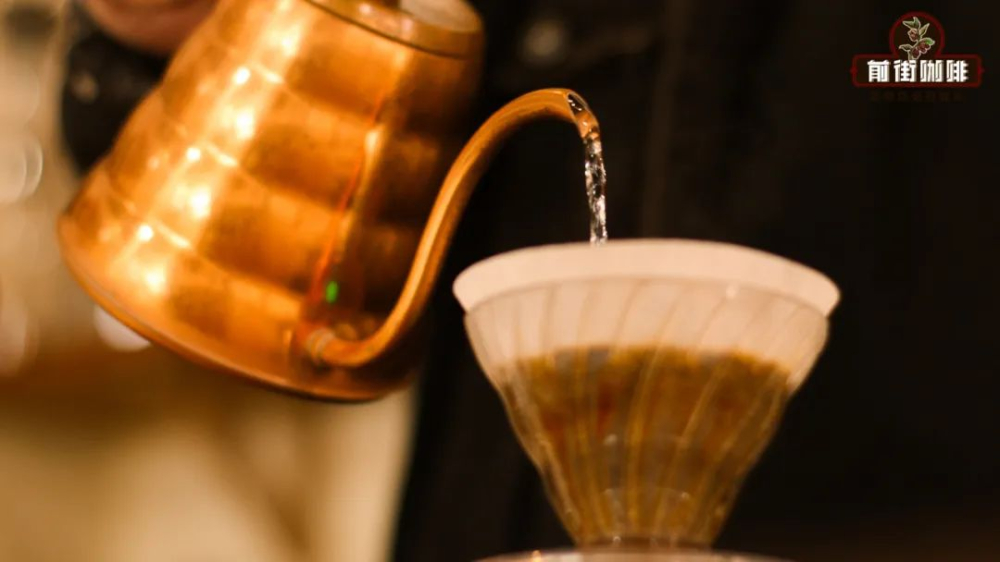
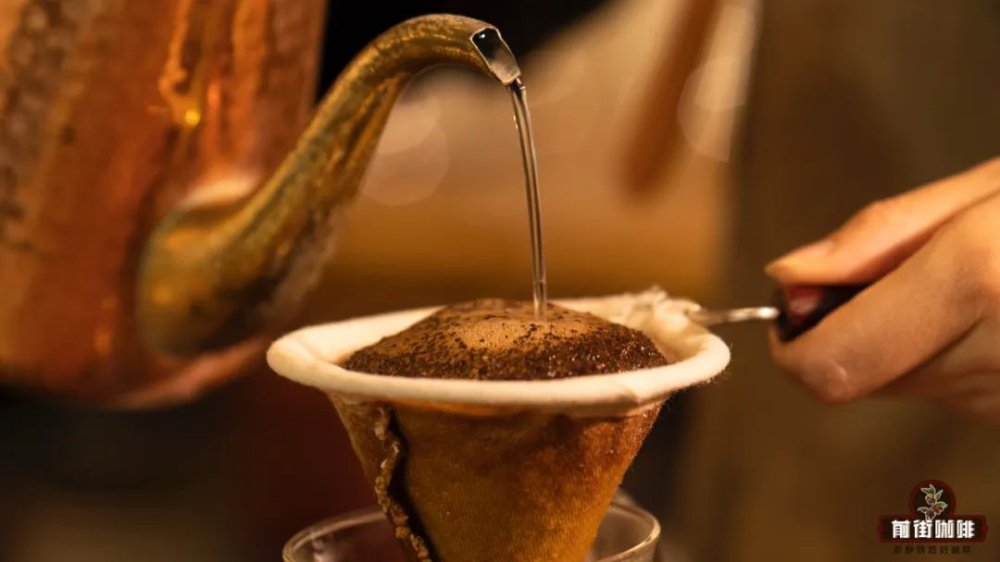
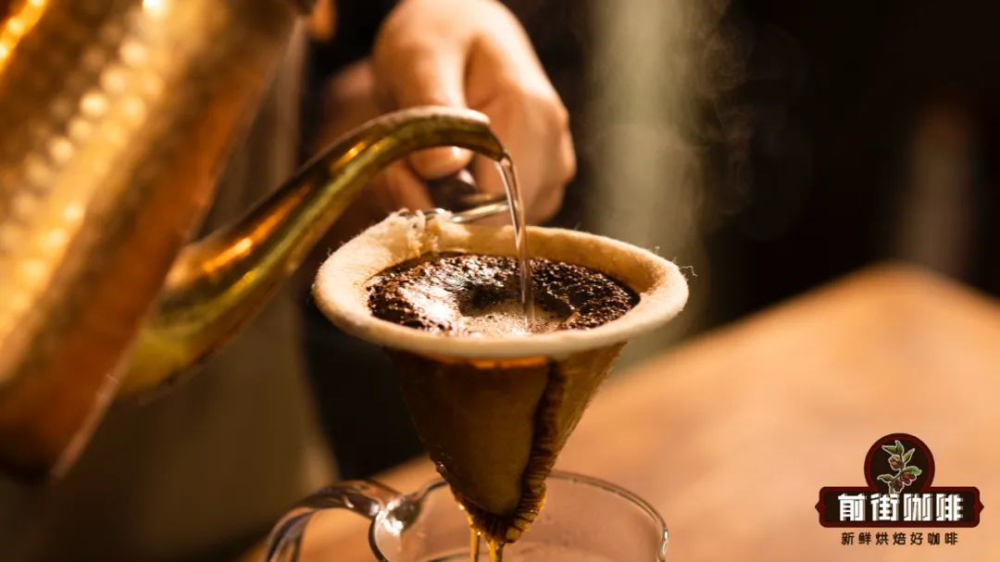
For beginners, there are a few points to keep in mind when trying French press-style cloth filtration. First, it’s recommended to choose coffee beans with a medium grind size; too fine a grind may lead to poor filtration. Second, the water temperature should be controlled between 90–93°C—water that’s too hot may cause the cloth to contract excessively, affecting filtration. Lastly, maintain a steady flow rate and moderate pressure during brewing to avoid damaging the coffee bed.
In practical applications, French press-style cloth filters are particularly well-suited for brewing light or medium roast coffee beans, which typically have richer aromas and flavor layers that complement the characteristics of the cloth. Dark roast beans, with their naturally stronger flavors, can still showcase their unique roasted profiles even when brewed with paper filters.
Looking at trends, although paper filters remain the market mainstream due to their convenience, French press-style cloth filters are gradually regaining popularity among coffee enthusiasts. More professional baristas are re-evaluating the value of cloth filters and discovering their unique advantages in enhancing the overall coffee drinking experience. This return-to-nature trend also reflects modern coffee lovers’ increasing pursuit of nuanced flavors.
Whether you choose a cloth filter or a paper filter, the key lies in understanding their respective characteristics and making a choice based on your personal taste preferences. It’s recommended that coffee enthusiasts try both methods to personally experience the differences and find the brewing approach that best suits their palate. Remember, the best brewing method is always the one that lets you enjoy the pleasure of coffee.
The above content is compiled by CoffeeHunters, a coffee news website.


