







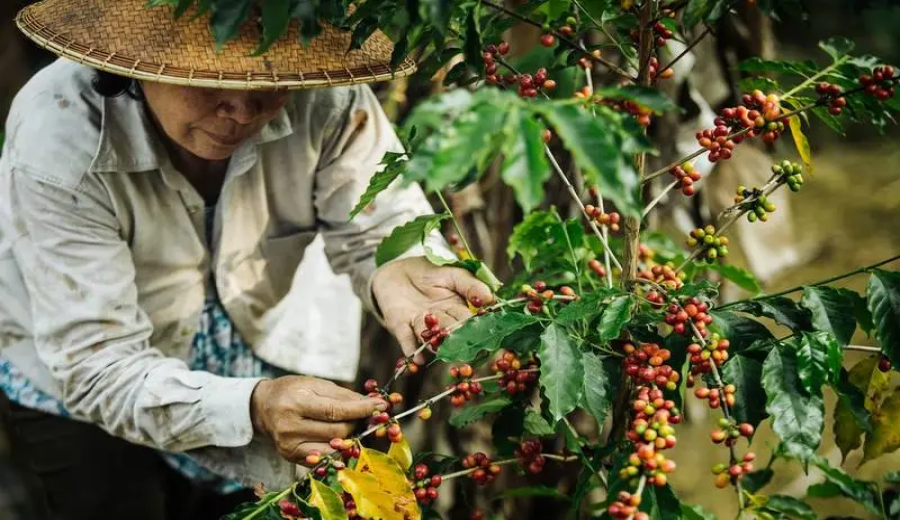
Introduction:The latest forecast from the Vietnam Coffee - Cocoa Association (Vicofa) indicates that in 2024, the price of Vietnamese Robusta coffee will continue to rise due to supply shortages. This article provides an in - depth analysis of the current situation in Vietnamese coffee growing regions, market trading data, and the potential impact of global climate change on future prices. It aims to help coffee professionals and enthusiasts keep up with the latest market trends and make more informed purchasing and tasting decisions.
According to the recent market observation released by the Vietnam Coffee - Cocoa Association (Vicofa), the price trend of Vietnamese Robusta coffee in 2024 will still be dominated by "rises", and the key reason lies in the obvious tightness in the supply side. Currently, the spot price of Vietnamese Robusta coffee has reached 67,200 to 68,000 Vietnamese dong per kilogram, an increase of 900 to 1,000 Vietnamese dong compared with the previous week. Compared with the beginning of December last year, it has accumulated an increase of about 8,000 Vietnamese dong.
The new coffee season officially started in November last year, and the opening price hit 60,000 Vietnamese dong per kilogram, setting a record high since the start of the season. Analyzing the reasons behind this, mainly export traders, worried about facing the "no beans available" dilemma again as in June last year, started actively scrambling to buy and stock up from the beginning of the season. In addition, many coffee farmers, seeing the upward trend of prices, chose to hold their beans and wait for higher prices instead of selling them in a hurry, further intensifying the market supply pressure and also posing no small challenges for traders in fulfilling contracts.
Concentrated production season and advanced demand make the price rise unstoppable
The main harvest period of coffee in Vietnam is generally from November each year to March of the following year. This year, as soon as the season started, the spot price has set a new record. Traders are worried that history will repeat itself and have purchased a large amount in the early stage of the season to avoid raw material shortages in the middle and later stages. It is worth noting that in the 2022/23 crop year, the market almost had no beans to be found in June, which has made this year's purchasing strategy more conservative and aggressive.
On the part of coffee farmers, since they expect the price to continue to rise, many have chosen not to sell for the time being, hoping that the price can climb further before the Lunar New Year to increase their income. Such a mentality of holding back sales has led to the actual amount of coffee beans available for trading being far lower than market demand, and also made it difficult for traders to deliver goods when executing existing contracts. Some orders may even be delayed until the next production season to be completed.
According to estimates by the Vietnam Coffee - Cocoa Association, although more than 120,000 tons of coffee beans have been exported in this production season, about half of them are used to fulfill the unfulfilled orders of the previous season. Overall, as many as 80,000 to 150,000 tons of coffee beans in this year may not be delivered on time and have to be postponed to the new production season in 2024.
Prices will remain high in the next few months, and the production seasons in Indonesia and Brazil are the turning points
Against the background of supply shortages, the industry generally predicts that in the next few months, the price of Vietnamese Robusta coffee will continue to remain between 60,000 and 70,000 Vietnamese dong per kilogram, and there is even a possibility of further increases. If a significant price stabilization is to be seen, it will have to wait until April and May this year when the new production seasons of Robusta in Indonesia and Brazil enter the harvest period and the market supply gradually increases, which may relieve the current tense situation.
However, global climate factors remain an inescapable variable. Currently, the El Niño phenomenon continues to develop and has a tendency to strengthen further at the end of 2023, bringing adverse effects to multiple major Robusta producing areas including Vietnam, Indonesia, and Brazil, which may further suppress coffee production.
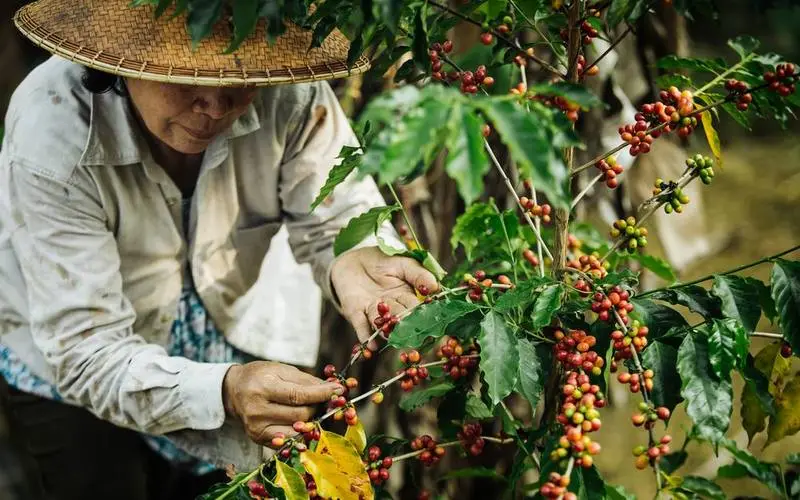
El Niño affects producing areas, and the global supply faces challenges
A research report previously released by Rabobank pointed out that Brazil, as an important global Robusta - producing country, is significantly affected by the El Niño weather. Especially in the two major producing areas of Rondônia State and Bahia State, the coffee production is expected to decrease by about 5% to 10%. Meanwhile, the Robusta production in Indonesia also faces the risk of decline.
Based on the current situations of producing areas in various countries and climate forecasts, the global supply of Robusta coffee will continue to be tight in the future, and the pressure of price increases still exists. For coffee importers, roasters, and even consumers, it is necessary to closely monitor market trends, plan purchasing and inventory strategies in advance to cope with possible price fluctuations and supply instability.
The above content is compiled by CoffeeHunters, a coffee news website.


