







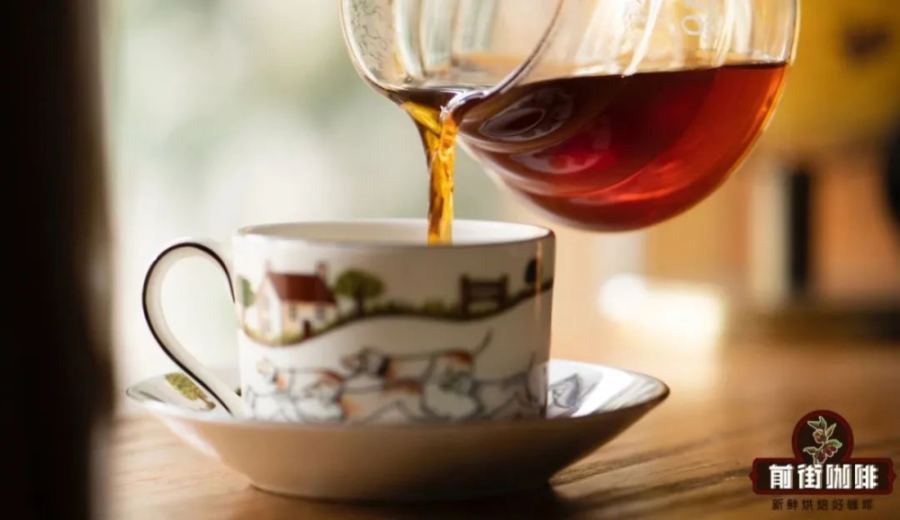
Introduction:Does cloudy pour over coffee indicate poor quality? In fact, coffee clarity is not absolutely linked to flavor. This article delves into the science behind coffee liquor color, analyzing how roast level, concentration, and extraction conditions affect hue and clarity. It also explains the scientific reasons behind cloudiness, including the release of insoluble substances and condensation effects caused by temperature changes. Readers will learn why some seemingly imperfect cups may actually possess richer complexity and sweetness.
Many pour over enthusiasts often notice their brewed coffee isn't perfectly clear—sometimes even slightly murky, resembling tea in appearance. This visual impression can easily lead one to assume the coffee might not taste good. But is this really the case? This article starts with the basic concept of coffee liquor color, helping you understand how roast degree and concentration influence hue, then further breaks down the true causes behind that cloudy appearance.
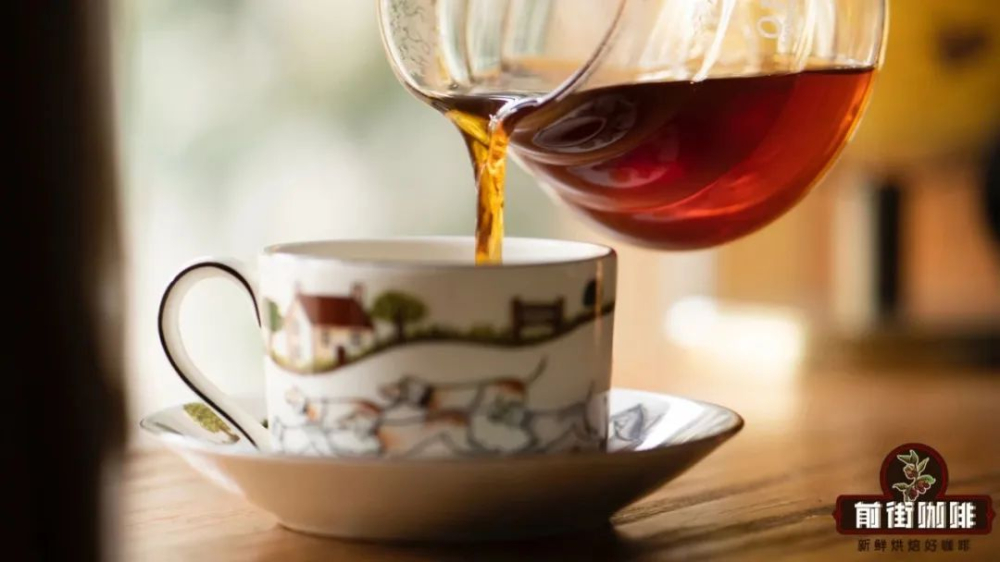
The term "liquor color" is actually borrowed from tea evaluation terminology. In the tea world, clarity is often seen as an important indicator of tea quality. Generally, the clearer and brighter the tea, the higher the perceived quality; conversely, cloudy or dull tea is often classified as inferior. This notion is often applied to coffee as well, leading many to assume at first glance that cloudy coffee must have poor flavor. But the world of coffee is far more complex—clarity doesn't directly serve as the sole criterion for judging flavor.
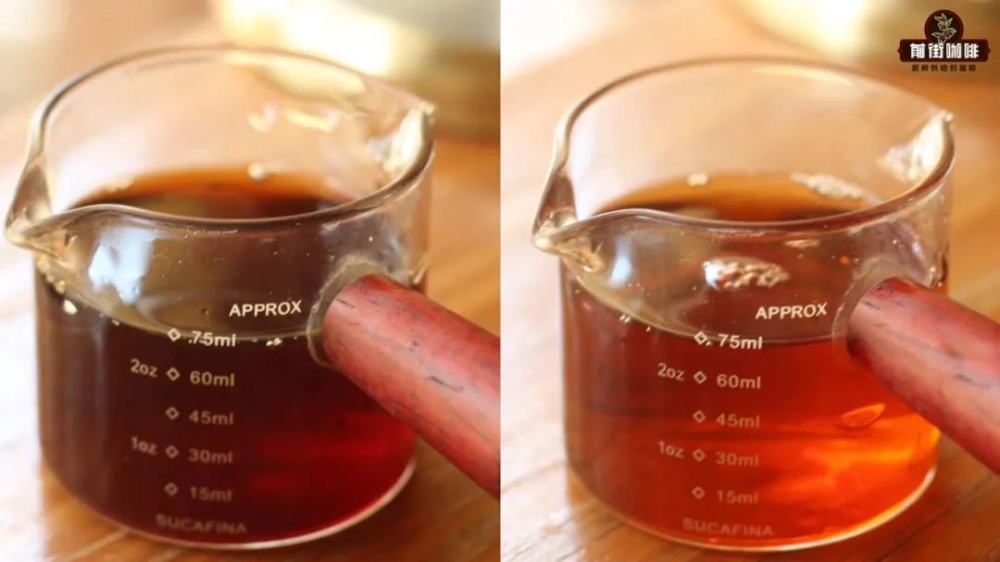
Under normal extraction conditions, pour over coffee typically ranges in color from red to black, mainly influenced by two factors: the roast level of the beans and overall concentration. First, roast degree determines the base hue. Light roasts often yield reddish tones with hints of deep black, while medium-dark roasts display rich colors with black undertones. These tonal variations are closely related to Maillard reactions and caramelization during roasting.
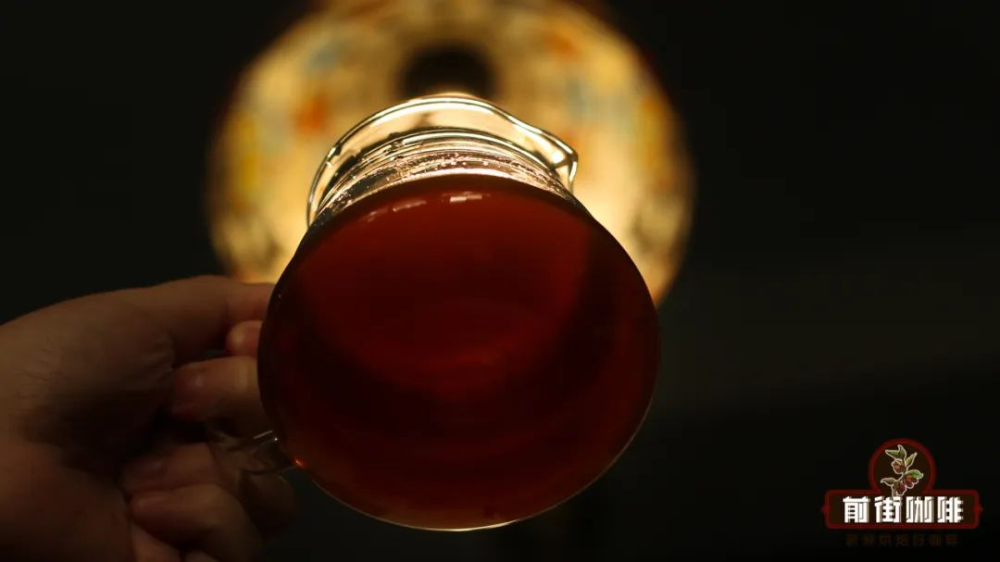
Secondly, coffee concentration also significantly affects color depth. Higher concentration coffees appear darker and more intense, while lower concentration ones look relatively lighter and clearer. However, it’s important to emphasize that roast level and concentration don’t directly determine clarity. In other words, a dark, intense coffee isn’t necessarily more cloudy or inferior in flavor compared to lighter-colored brews.
So what’s the real reason behind that cloudy appearance? The key lies in the distribution of dissolved and undissolved substances during extraction. First, along with soluble flavor compounds, extraction also releases some water-insoluble fine particles—such as coffee fines, protein particles, and fiber residues. When these insolubles accumulate beyond a certain level, the coffee appears murky. Here, the filtration method plays a crucial role.
For example, using a French press or metal filter for pour over allows relatively large pores, which can’t effectively trap tiny insoluble particles. As a result, suspended coffee fines cause that visual cloudiness.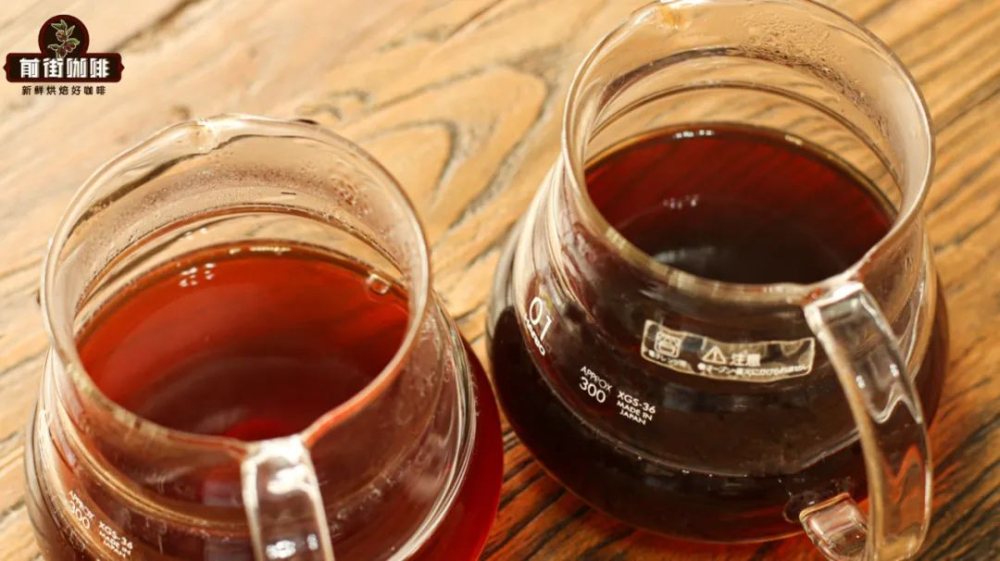 Even high-quality paper filters in devices like the AeroPress can’t completely prevent this, as the filter may not fully seal all edges—allowing some fines to pass through into the brew.
Beyond insoluble particles, coffee gradually becoming cloudy after sitting relates to condensation effects triggered by temperature changes. As hot coffee cools, certain compounds—like chlorogenic acid and caffeine complexes—may precipitate out of solution due to the temperature drop, turning insoluble. These substances form tiny suspended particles in the liquid, giving the coffee a “gritty” appearance and potentially a rougher mouthfeel.
In summary, we can understand that cloudiness in coffee doesn’t solely determine flavor quality. In fact, common tools like French presses or AeroPresses, while prone to producing cloudier liquor, often highlight richer texture layers and natural sweetness. Some high-quality beans may even develop a slightly murky hue over time, yet showcase rounder, fuller flavors. Therefore, judging a coffee’s quality shouldn’t rely solely on whether its liquor is clear or not.
The above content is compiled by CoffeeHunters, a coffee news website.


