







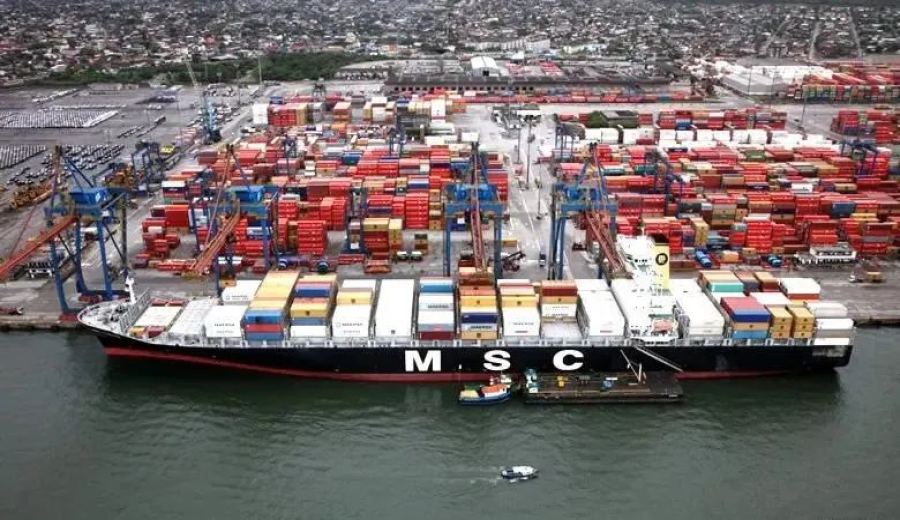
Introduction:In November 2023, coffee exports from the Port of Vitória in Brazil reached 844,000 bags, marking the fourth-best performance in history, with Robusta variety achieving a monthly export peak. This article delves into the reasons behind this impressive export surge, explores how weather changes could impact the global Robusta supply chain, and examines the potential challenges the market may face in the future.
In November 2023, the Port of Vitória recorded an outstanding coffee export performance, shipping over 844,000 bags (each weighing 60 kilograms), ranking fourth among all November records in the port’s history—trailing only August 2002 (1 million bags), September 2002 (968,000 bags), and October 2002 (930,000 bags). Notably, this export peak was primarily driven by Robusta coffee, which also set a new monthly export record for the variety.
The Port of Vitória mainly exports Robusta coffee from the state of Espírito Santo, which is Brazil’s largest Robusta-producing region. Trade data shows that stable and concentrated supply from this area contributed to the strong overall export performance in November. Experts pointed out that besides the abundant regional supply, continuous optimization of logistics systems, along with increased availability of high-quality and sustainably certified coffee, were also key factors boosting export volumes.
The Vitória Coffee Trading Center stated that this export success not only enhances the competitiveness of Brazilian Robusta in the global market but also reflects international buyers’ confidence in a stable supply source. However, whether this positive trend can continue remains uncertain.
Recent abnormal global climate patterns, particularly the effects of El Niño, have posed challenges to several major coffee-producing regions. Indonesia and Vietnam, the two largest Robusta-exporting countries, have faced extreme rainfall and prolonged drought respectively, resulting in hindered coffee harvests. This has led to concerns about future supply, further driving up Robusta coffee futures prices. According to data, Robusta futures prices once surged to a historical high of $2,810 per metric ton, and although they have slightly retreated since, they still remain high at $2,669 per metric ton—an increase of 1.7% compared to previous levels—indicating ongoing market concerns over supply tightening.
Meanwhile, Arabica coffee futures were also affected, briefly rising to $1.9195 per pound before stabilizing at $1.8865 per pound—an increase of approximately 1.8%. Such price fluctuations may lead to cost pressures for downstream roasters and consumers.
The situation within Brazil is also less than optimistic. According to data from the agricultural meteorological monitoring agency LSEG, the soil moisture level in the state of Espírito Santo—the main Robusta-producing region in Brazil—has dropped to its lowest point in the past seven years. The lack of water in the soil has led local farmers to generally adopt a wait-and-see attitude, preferring to hold onto their inventory in hopes of obtaining higher prices. Additionally, due to uncertain weather prospects, forecasts for future yields are also highly uncertain.
A report from the Dutch bank Rabobank further notes that Vietnam’s new Robusta season has already entered the harvesting phase, with expectations of a fresh batch of supply entering the market in the coming months. However, amid ongoing supply tightness and climate risks, it remains unclear whether the market will be able to effectively absorb this additional supply.
Overall, while the Port of Vitória’s November exports achieved impressive results, showcasing Brazil’s strong Robusta supply capacity, global climate anomalies, deteriorating soil conditions in producing regions, and unstable supply from major producing countries all pose potential risks for the future market. For coffee importers, roasters, and even consumers, continuously monitoring weather changes and regional developments will be a crucial strategy for coping with future market volatility.
The above content is compiled by CoffeeHunters, a coffee news website.


