







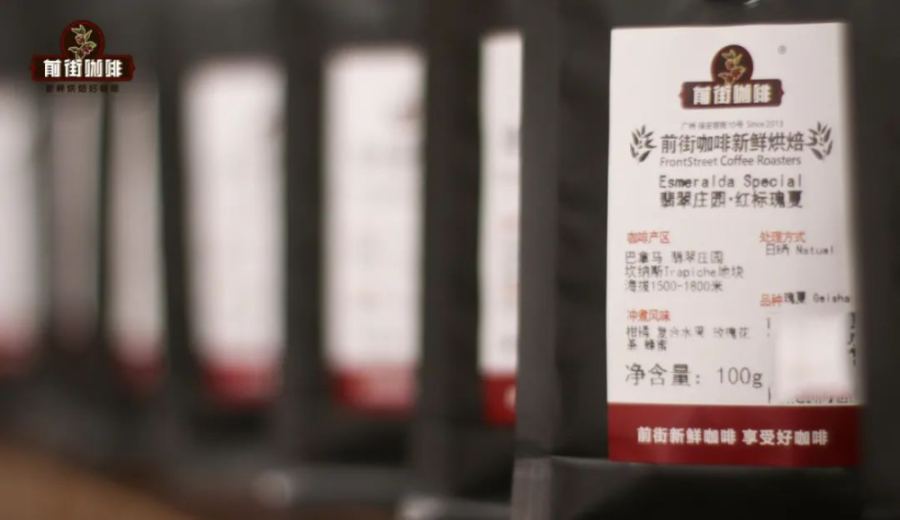
Introduction:On the bean list of specialty coffee, you’ll often see terms such as origin, processing facility, cooperative, and estate—these roles form the journey of a cup of coffee. This article breaks down their functions and differences in an easy-to-understand way, helping you understand the coffee production chain from the source, and teaching you how to read key information on the coffee bag label to pick the flavor that best meets your expectations.
When it comes to specialty coffee, origin, processing facility, cooperative, and estate are common keywords, each playing an indispensable role in the coffee industry chain. Understanding these links not only helps you more accurately interpret the information on coffee bean packaging, but also allows you to more deeply feel the story and terroir behind each cup of coffee when tasting.
Coffee Origin: From Broad Regions to Refined Micro-Regions
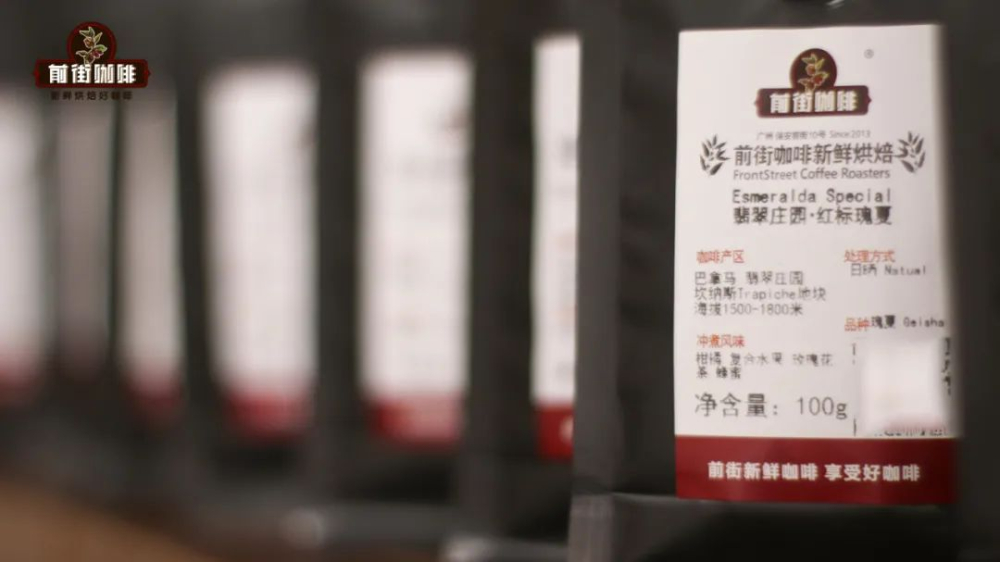
Origins can be divided into two levels: major regions and micro-regions. Major regions usually refer to the countries where coffee is produced, such as Colombia, Ethiopia, or Panama. These countries, due to differing natural conditions like climate, altitude, and soil, produce coffee with distinct flavor characteristics. Within major regions, there are further subdivisions into many micro-regions, such as Yirgacheffe and Sidamo in Ethiopia, and Huila and Cauca in Colombia. The coffee from these micro-regions often exhibits completely different aroma and taste profiles due to variations in microclimate and cultivation techniques, and may even become the target of specialty coffee enthusiasts.
Coffee Processing Facility: The Key Stop Where Fruit Becomes Beans
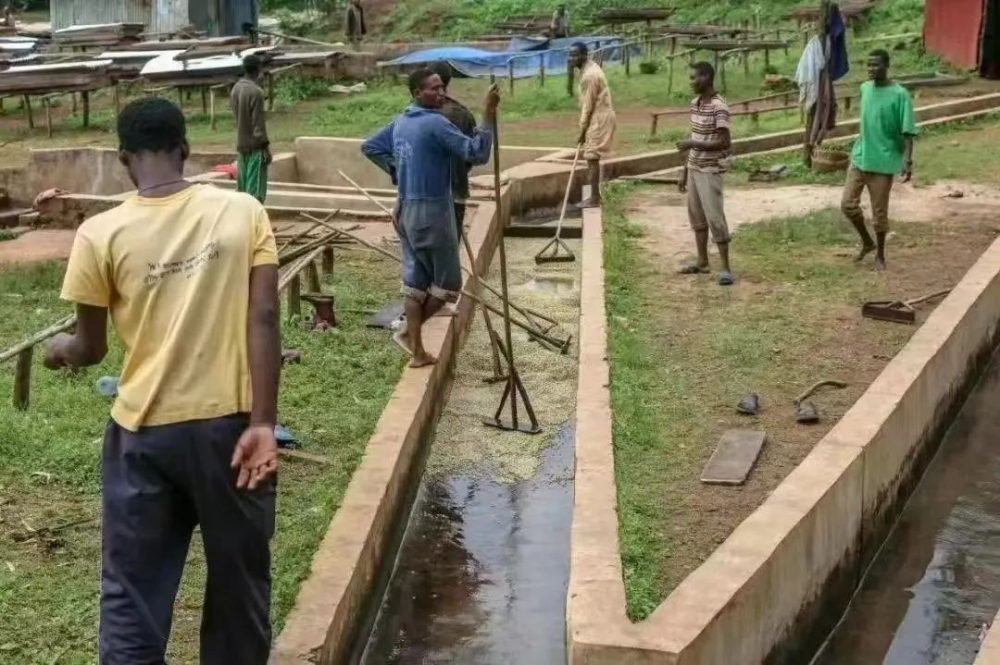
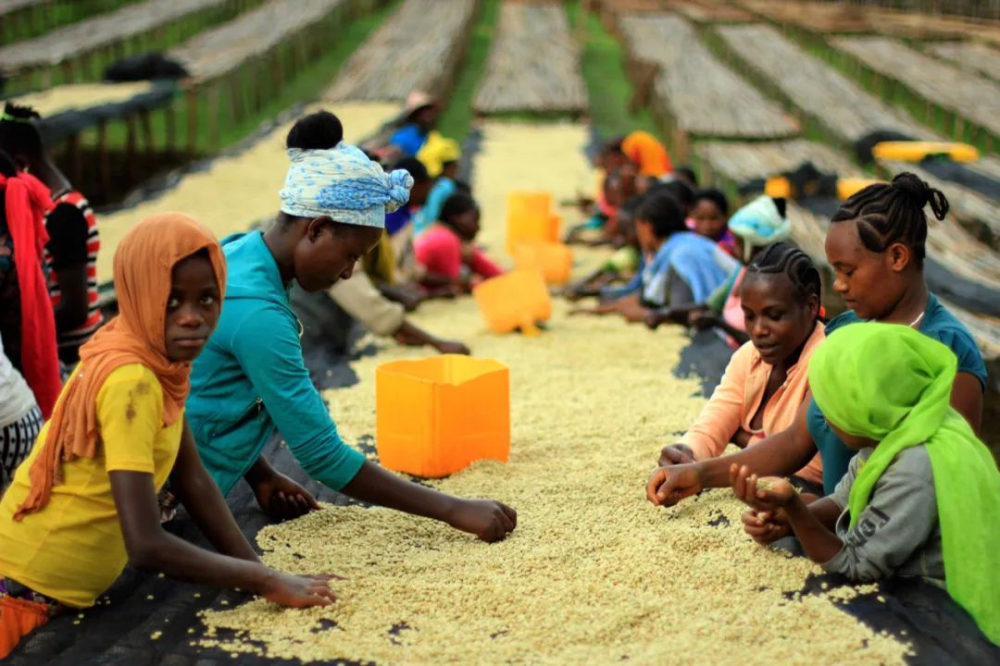
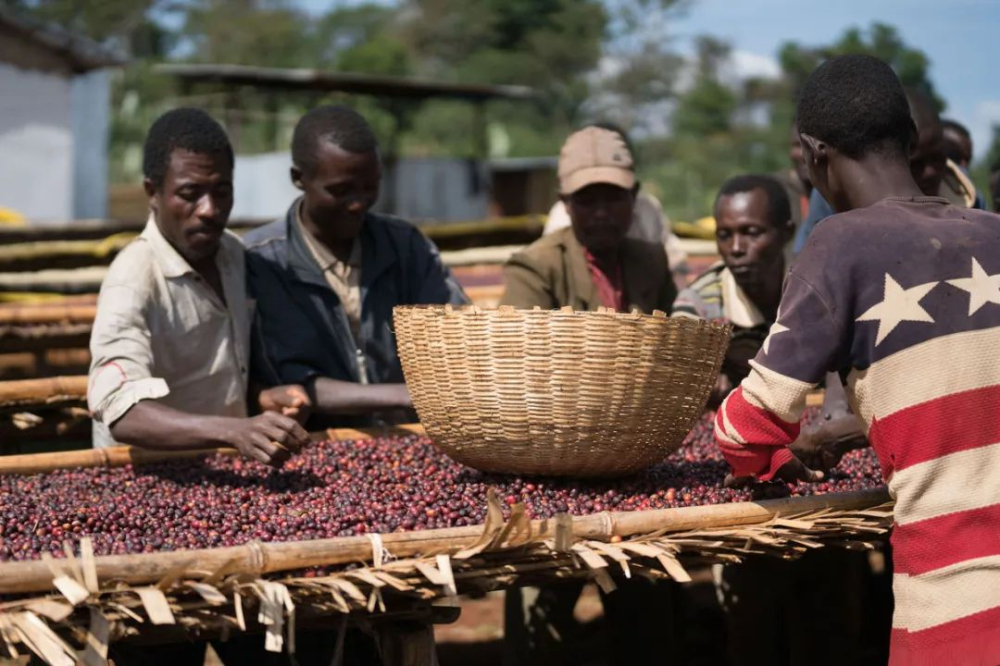
From coffee fruit to green beans ready for roasting, a series of processing steps must be carried out, including pulp removal, fermentation, washing, and drying. Most of these steps are completed at the coffee processing facility.The role of the processing facility is to centrally process the coffee fruit harvested by surrounding farmers, using professional equipment and techniques to improve the quality and consistency of the green beans.However, such facilities require considerable capital investment, and for many individual farmers in remote areas, setting up their own processing equipment is not realistic. Therefore, most farmers choose to send their coffee fruit to nearby processing facilities for processing.
Coffee Cooperative: Strength in Unity, Avoiding Middleman Exploitation
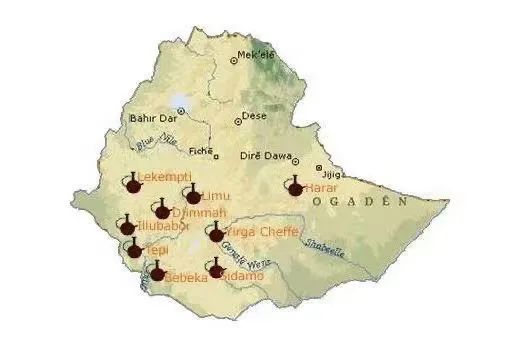
Faced with the lack of transparency and exploitation by middlemen in the processing and sales process, many farmers choose to band together to formcooperatives. By pooling resources to share equipment and facilities, cooperatives can uniformly process the coffee fruit of their members, not only reducing individual costs but also minimizing the risk of being undercut by traders. In addition, cooperatives can market and sell under a unified name. For example, the well-known Kochere Getachew Cooperative in the Yirgacheffe region sells its beans under the cooperative’s name, enhancing the overall brand value of the origin. Other examples like Wocha and Konga have also successfully built their reputations through the cooperative model.
Coffee Estate: A Flavor Laboratory on Private Farms
Unlike cooperatives and processing facilities,coffee estates are privately owned and operated coffee farms, usually larger in scale and better equipped. Estate owners possess the land and resources, allowing them to freely decide on the coffee variety, harvest timing, and post-harvest processing methods. This makes it easier to experiment with innovative processing methods such as anaerobic fermentation, honey processing, or natural drying, thereby creating unique flavor profiles. Additionally, estate owners can directly negotiate with international buyers, eliminating multiple intermediary layers and significantly increasing profit margins. Notable examples of internationally renowned private estates include Finca El Injerto, Finca Guava, and Hartmann Estate.
In summary, from the natural conditions of the origin, the technical processing at the facility, the collective strength of the cooperative, to the meticulous craftsmanship of the estate owner, each link deeply influences the final flavor of the coffee in your cup. Next time you pick up a bag of coffee beans, take a closer look at the origin and producer information on the label, and explore the journey and story behind that cup of coffee.
The above content is compiled by CoffeeHunters, a coffee news website.


