








Introduction:The 4:6 brewing method created by Tetsu Kasuya is considered the golden formula in the hearts of many pour over enthusiasts. This technique, originating from the 2016 World Pour Over Championship, utilizes precise five-pour intervals with a 45-second gap between each, helping even beginners consistently brew coffee with balanced acidity and sweetness, and a rich mouthfeel. This article will delve into the core logic and segmented principles behind the 4:6 method, and verify its high error-tolerance through actual coffee beans, while also teaching you how to flexibly apply this method to extract your own ideal cup of coffee.
In the world of art and craftsmanship, sometimes the aura of the creation itself overshadows that of the creator. Just as the Mona Lisa immortalizes Leonardo da Vinci, the 4:6 brewing method has made Tetsu Kasuya a legendary figure in the pour over coffee community. Developed by the 2016 World Pour Over Champion, the method was conceived with a simple goal: to enable every coffee lover, regardless of experience level, to easily brew a delicious cup of pour over coffee.
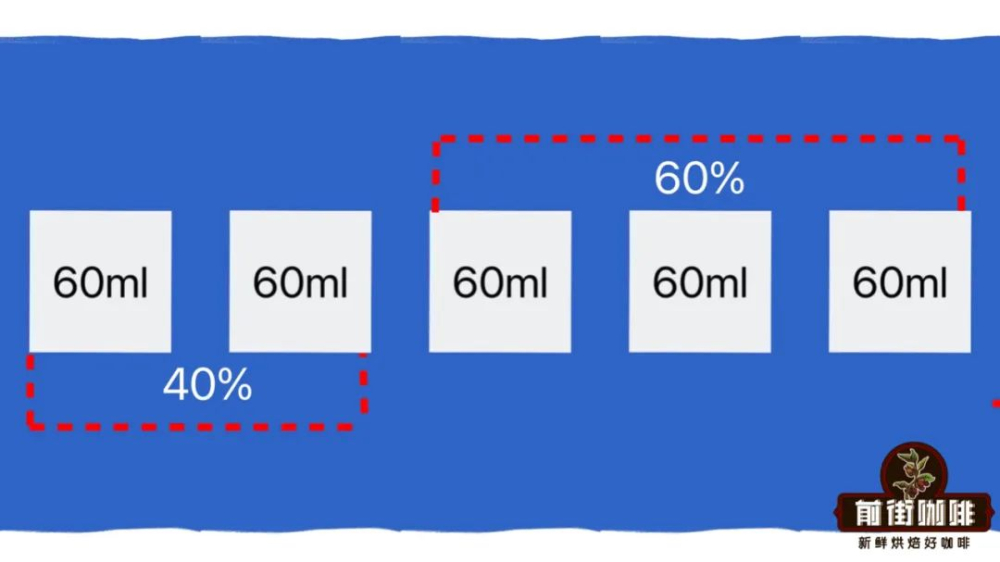
The 4:6 method breaks down the entire pour over process into five pours, with each pour using an amount of water three times the weight of the coffee grounds. For example, with 20 grams of coffee beans, each pour uses 60 milliliters of water, totaling 300 milliliters, resulting in a coffee-to-water ratio of 1:15. This design not only simplifies the operation but also scientifically controls the balance of flavor and mouthfeel through segmented pouring. The first two pours account for 40% of the total water volume, primarily influencing the coffee’s acidity and sweetness, while the last three pours make up 60%, shaping the body and aftertaste.

Many people, upon first hearing about the 4:6 method, wonder: why not four or six pours? In fact, “4:6” refers to the pouring ratio between the first two and the last three pours, not the actual number of pours. Tetsu Kasuya emphasizes that this segmented design allows for more precise control over the extraction focus at different stages, thereby achieving an optimal balance of flavor and mouthfeel. Even if you have limited knowledge of the characteristics of the coffee beans, simply following this formula can help you consistently brew satisfying coffee.
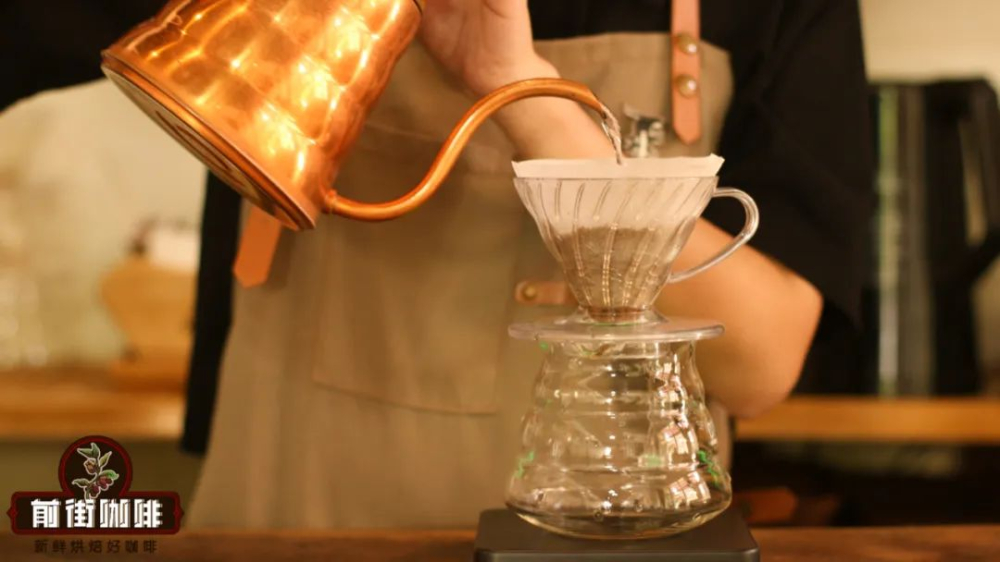
In practical application, the parameters of the 4:6 method are very straightforward: use 20 grams of coffee beans ground extremely coarse (recommended to have about a 50% passage rate through a #20 sieve), with water temperature controlled at 92°C, using a V60 filter cone. The entire brewing process is divided into five pours, each with 60 milliliters of hot water, and a 45-second interval between each pour. Starting from the first pour, the timings are 0 seconds, 45 seconds, 1 minute 30 seconds, 2 minutes 15 seconds, and 3 minutes. Each pour takes approximately 6 to 8 seconds, and the total dripping time is around 3 minutes and 40 seconds.

To verify the actual effectiveness of the 4:6 method, we used Sidama beans from Ethiopia, which are known for their pronounced flavors of pineapple, citrus, and guava, along with a soft tea-like quality. Brewing with the above parameters resulted in a coffee that felt richer in mouthfeel than with conventional methods, with bright and layered fruit acidity, and a refreshing tea-like aftertaste, showing excellent overall balance. This stable performance is mainly attributed to the extremely coarse grind setting, which effectively reduces the risk of over-extraction, and the longer brewing time, which allows the flavor compounds to be fully released.

So, why does the 4:6 method specifically emphasize a 45-second interval between pours? This is based on the optimal dripping time calculated according to specific grind size and coffee dose. With 60 milliliters of water, it takes approximately 40 to 45 seconds for the water to completely drip through a bed of extremely coarse coffee grounds. Waiting for the water to finish dripping before proceeding to the next pour ensures consistent extraction conditions at each stage, thereby improving the stability and consistency of overall flavor. As long as the correct parameters are followed, even beginners can easily master it.
It is worth noting that although the 4:6 method provides a clear set of parameters and steps, its true essence lies in the underlying extraction philosophy. You can fully adjust the pouring method and water distribution according to the characteristics of different coffee varieties, flavor preferences, or brewing equipment, without being confined to a fixed formula. Understanding and skillfully applying the core of this method—segmented control of acidity, sweetness, and body, along with stable extraction time and flow rate—is the key to elevating yourself from a beginner to a pour over master.
The above content is compiled by CoffeeHunters, a coffee news website.


