







Introduction:Many coffee enthusiasts excel at brewing single servings using pour over methods, but when they increase the coffee dose and attempt to brew for multiple people, they often encounter issues such as flavor loss and over-extracted, unpleasant tastes. This article delves into why larger coffee doses can negatively affect extraction quality, and provides practical advice on pouring techniques, filter types, grind size, and water temperature adjustments to help you consistently brew flavorful, well-balanced multi-serving pour over coffee.
Many pour over lovers have had similar experiences: when brewing a single cup (around 15–20 grams of coffee), they can easily highlight the coffee’s flavor layers with a clean and bright taste; however, when trying to brew for several friends at once (for example, using 30–40 grams of coffee), the resulting cup often tastes dull, or even exhibits noticeable bitterness, astringency, and off-flavors. This is closely related to the changes in extraction caused by the increased coffee dose.
This article will explain why increasing the coffee dose can easily lead to over-extraction, even when using the same technique, and offers a series of practical adjustment strategies—including pouring methods, filter selection, grind size, and water temperature control—to help you master the art of brewing multi-cup pour over coffee.
First, it’s important to understand: during everyday practice, most people use a small coffee dose of around 15–20 grams. The coffee-to-water ratio and pouring time involved have led many users to develop a fixed sense of feel—for instance, controlling water flow rate, mastering the rhythm of pouring, and judging the optimal extraction timing. However, this sense of feel, tailored for small doses, does not apply well to larger doses.

When the dose is increased to 30–40 grams, not only does the coffee bed become noticeably thicker, but the total amount of water required also rises substantially (usually with a coffee-to-water ratio around 1:15—if the dose doubles, so does the water). In this case, if you continue using the same pouring technique and equipment, the overall extraction time will inevitably lengthen—potentially stretching from around 2 minutes to nearly 3 minutes or even longer.
Once the extraction time becomes too long, both desirable and undesirable flavor compounds are more likely to be released. This is why multi-serving pour over coffee often turns out over-extracted, showing increased off-flavors, astringency, bitterness, and a blurred flavor profile. Next, we’ll explain how to adjust your approach through four practical aspects to successfully brew great-tasting multi-cup pour over coffee.
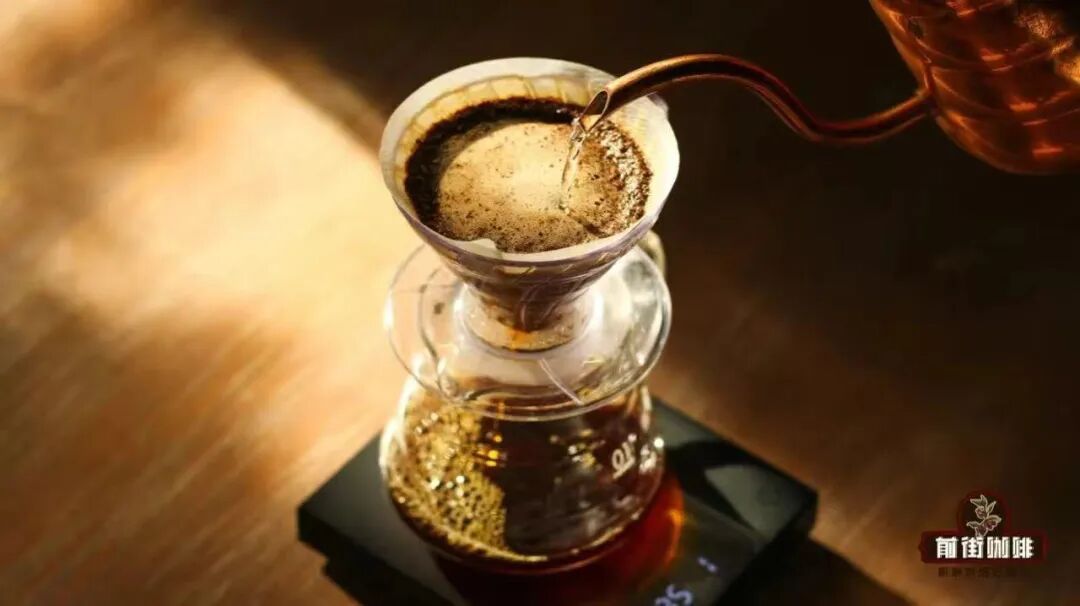
1. Adjust the Pouring Speed to Control Extraction Time
The water flow rate directly affects the total pouring time and water drainage speed. To shorten the overall extraction time, you can moderately increase the flow rate (for example, taking 15–20 seconds to pour 100 ml of water instead of 25–30 seconds). A faster flow reduces the total contact time between coffee grounds and water, helping to avoid over-extraction.
However, be aware that if you’re using a fine grind or a thick coffee bed, high water flow may cause channeling or clogging at the bottom of the filter. In such cases, it is recommended to usea Size 02 large-capacity filter coneto allow for a high water flow without compromising filtration efficiency.
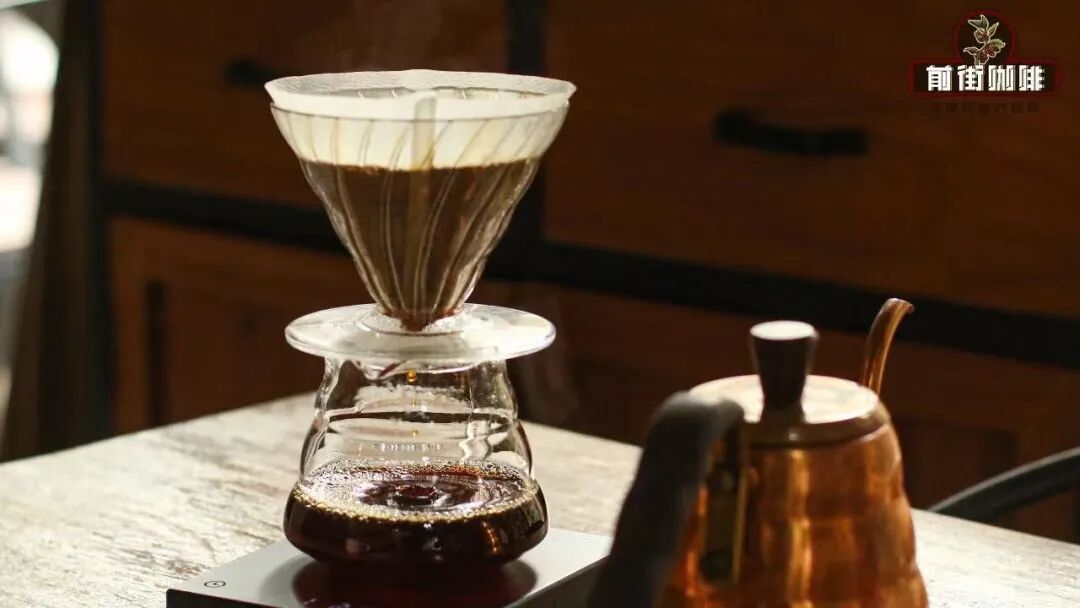
2. Switch to a Size 02 Large Filter Cone to Improve Drainage Efficiency
Common Size 01 filter cones are designed for smaller coffee doses. When the dose increases, their narrow internal space and outlet structure can cause segmented pouring and slow drainage, which extends the extraction time. Switching to a Size 02 filter cone—with its larger filter holes and open structure—can accelerate hot water penetration through the coffee bed. Even with a high water flow, a stable drainage rate can be maintained.
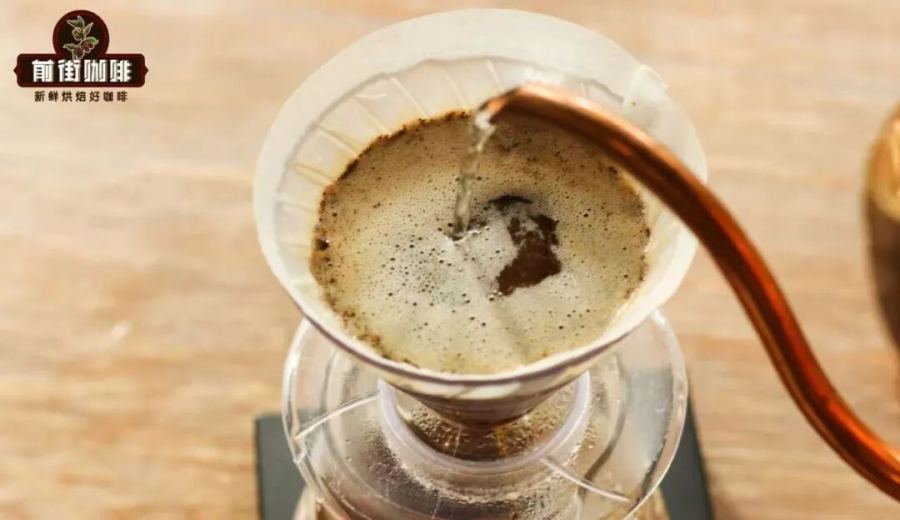
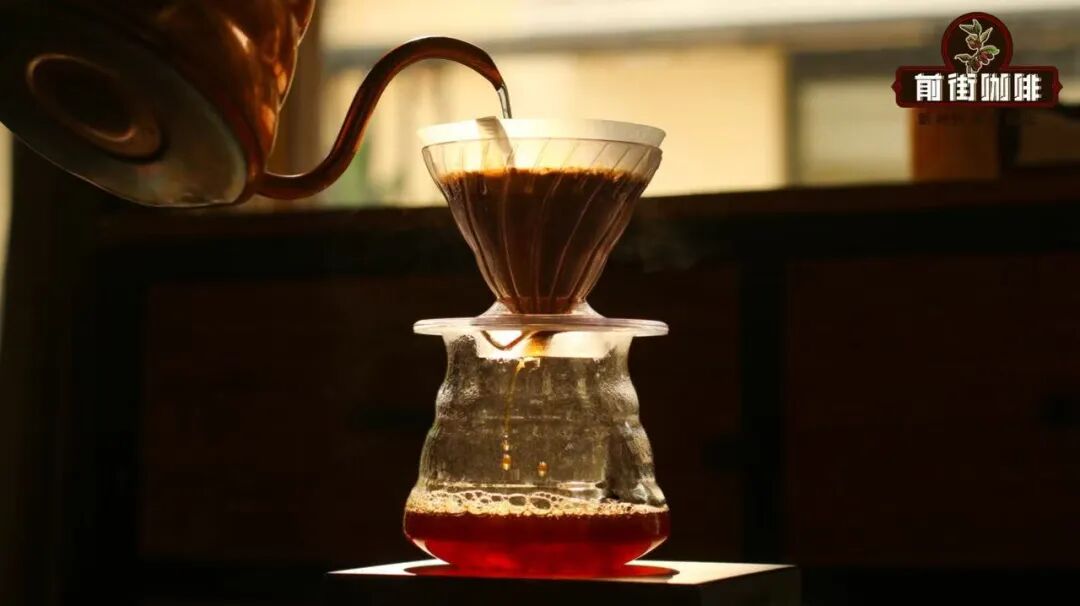
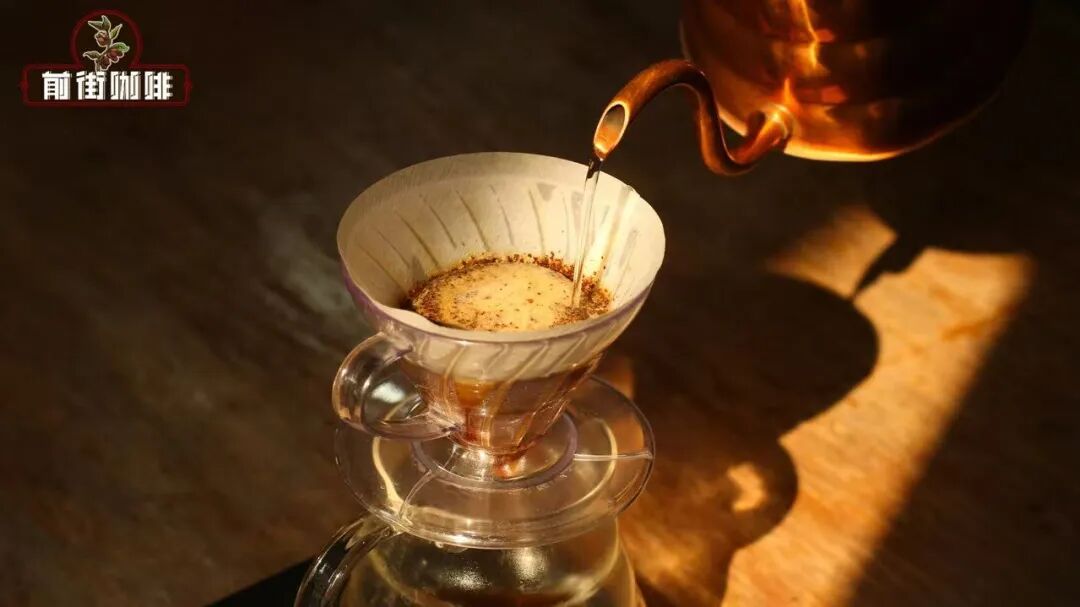
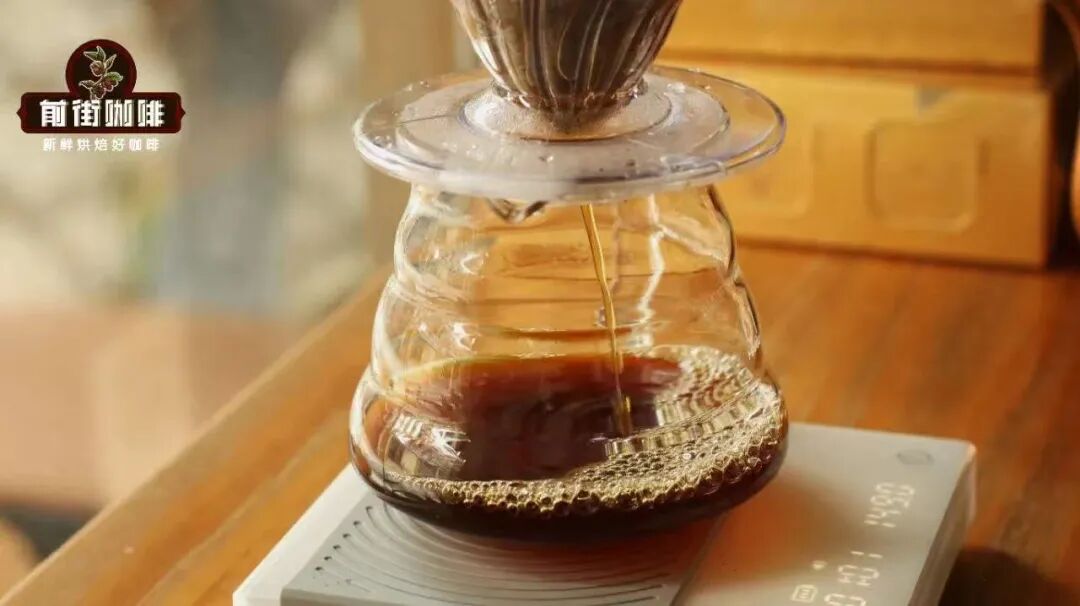
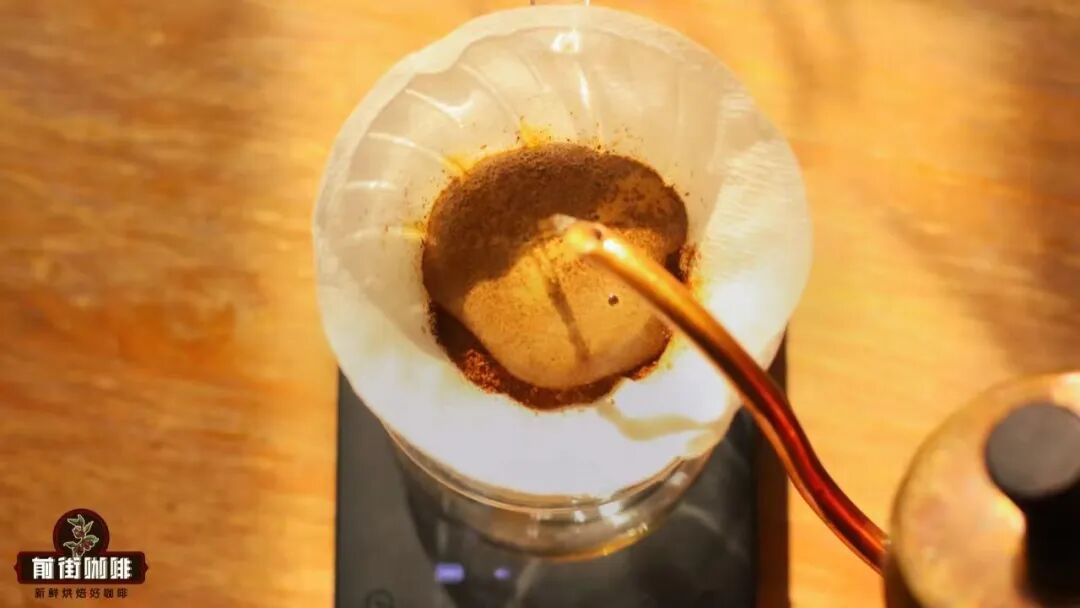
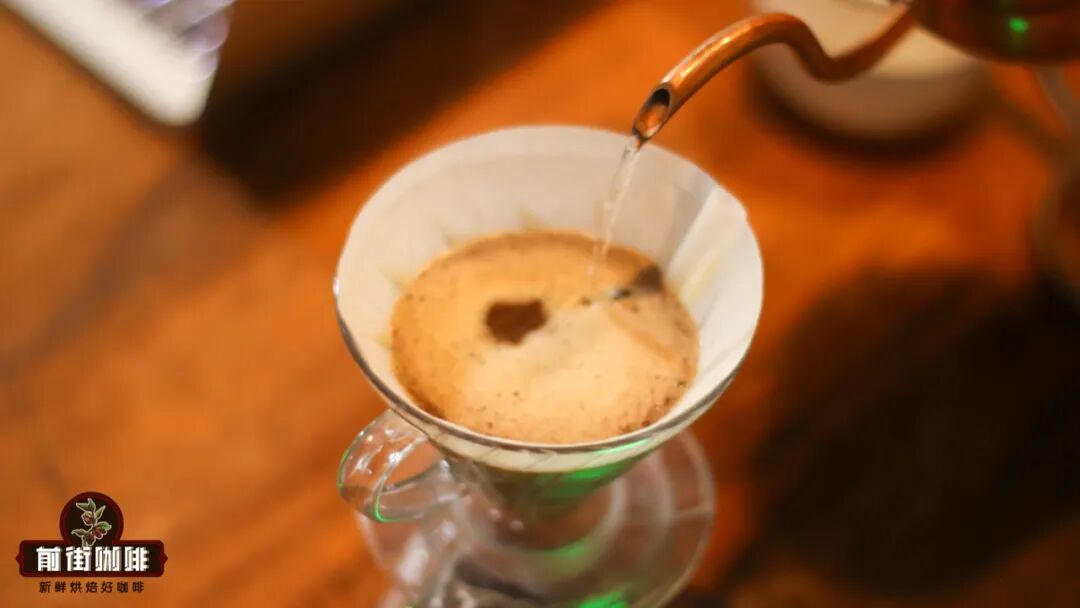
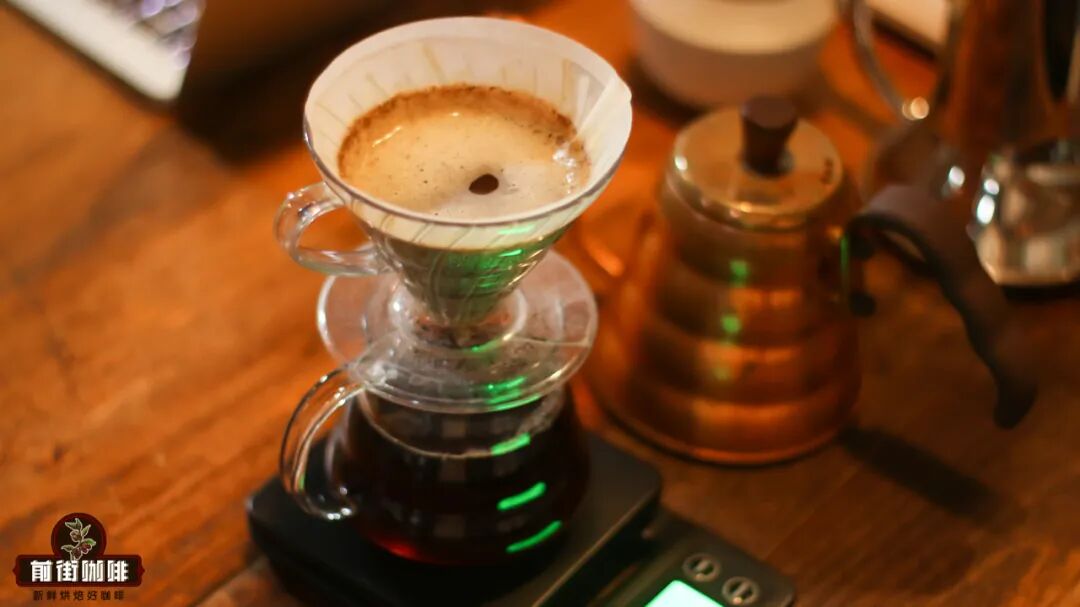
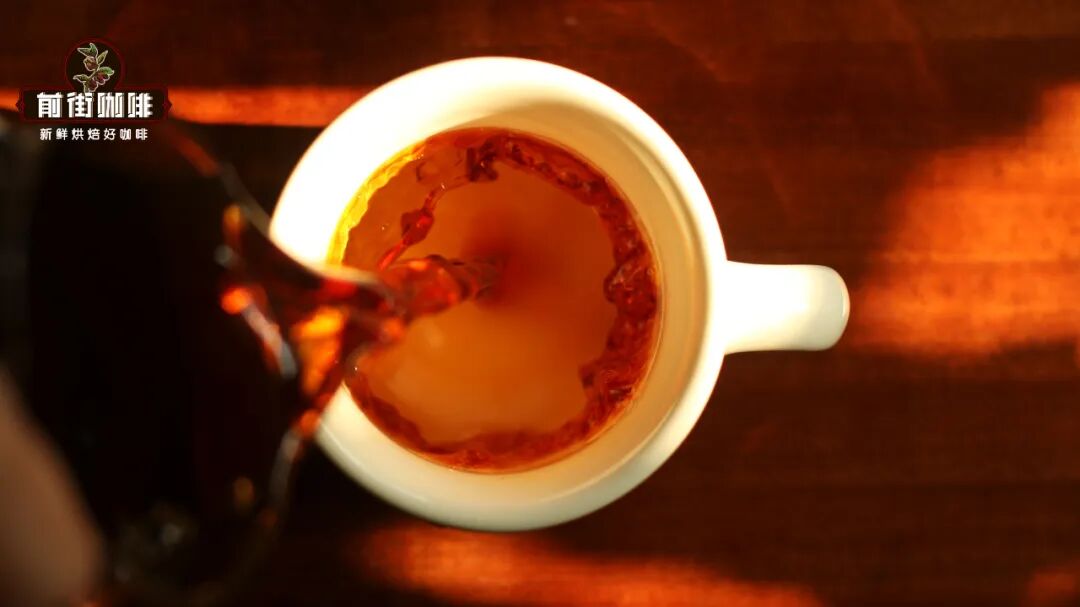
In a practical demonstration using 30 grams of coffee, a 1:15 coffee-to-water ratio, 92°C water temperature, and a grind size with 80% sieve retention on a fine sugar-like grind (close to a #20 sieve)—equivalent to medium-fine—using a V60 “02” filter cone with a three-stage pour: first, a 30-second bloom (using twice the coffee dose in water, recommended to pour in a centralized manner to ensure even saturation of the coffee bed and sufficient degassing), followed by pouring 195 ml within 20 seconds using a high flow rate of about 10 ml per second; then pouring the remaining 195 ml using small circular motions, achieving a total extraction time of about 2 minutes and 30 seconds. The resulting cup clearly presented flavors of strawberry candy, white floral notes, and berry tones, with a lingering aroma reminiscent of wine.
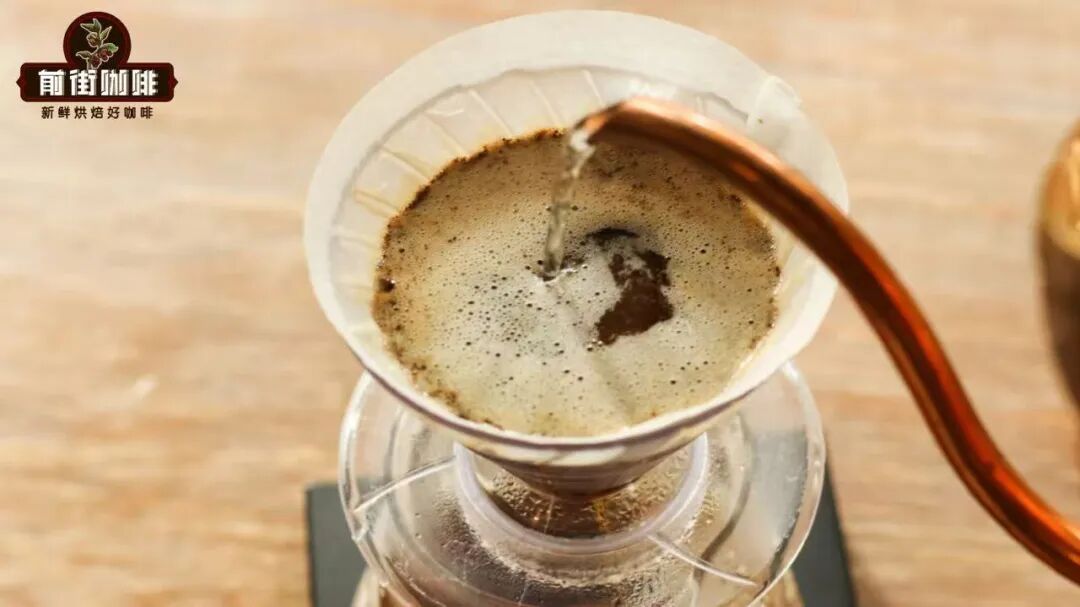 ,
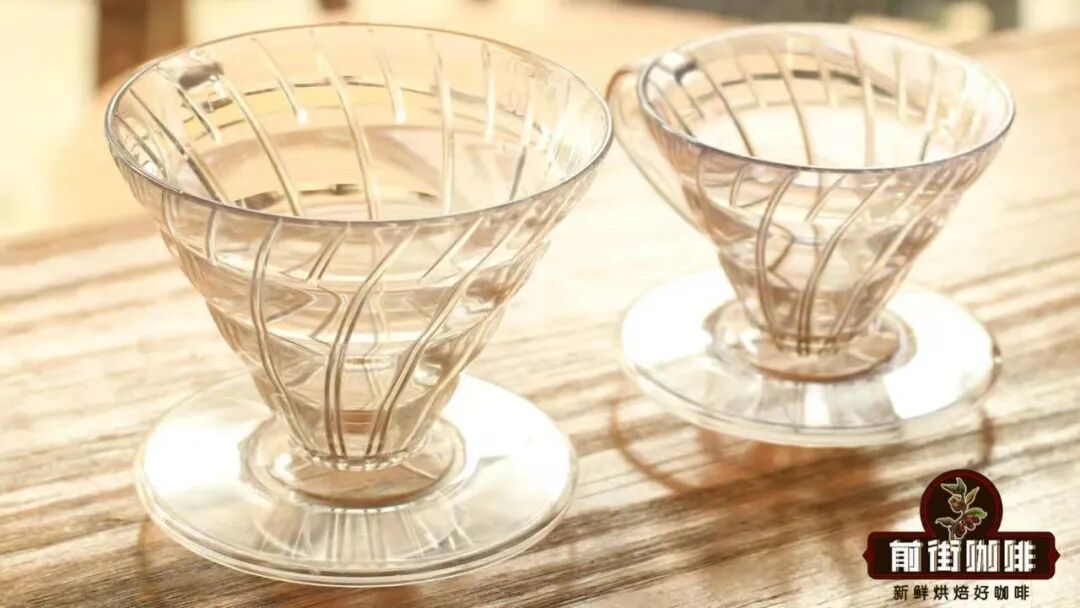 ,
 ,
 ,
 ,
3. Adjust Grind Size and Water Temperature to Further Optimize Extraction
If you don’t have a Size 02 filter cone at home, don’t worry—there are two other ways to reduce the risk of over-extraction:
1. Grind Coarser: Adjusting the grind size about 0.5 steps coarser (for example, if you were originally grinding to a fineness close to a #20 sieve, adjust to something closer to medium-fine) increases the space between coffee particles, speeds up water drainage, and reduces the extraction efficiency per unit time—helping minimize the release of unwanted compounds.
2. Lower the Water Temperature: Reducing the water temperature from the common range of 92–94°C down to around 90–92°C can slow down the extraction capability of the hot water. Even with a slightly longer extraction time, excessive bitter substances are less likely to be released. Coffee brewed at lower temperatures often results in a smoother, more balanced flavor profile—an adjustment worth trying.
In summary, when you aim to brew multi-serving pour over coffee, you can’t simply rely on the intuitive approach of “doubling the dose and doubling the water.” The thickness of the coffee bed, total water volume, extraction time, and equipment choice all influence the final flavor outcome. By appropriately adjusting your pouring speed, switching filter cones, and optimizing grind size and water temperature, you too can consistently produce a multi-cup pour over coffee with balanced flavors and clear layers.
The above content is compiled by CoffeeHunters, a coffee news website.


