







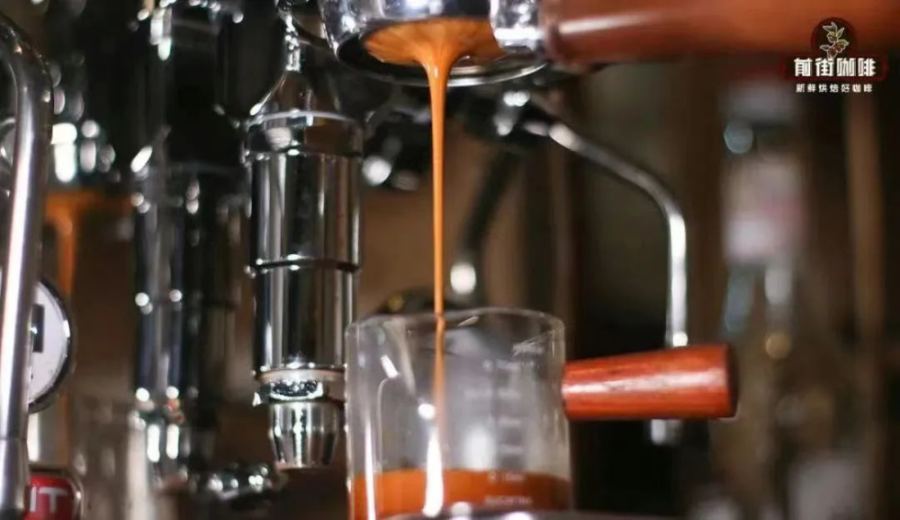
Introduction:When you notice that the crema of your espresso has become thin and the flavor of the coffee has also declined, it may be due to issues with coffee bean freshness, machine pressure, grind settings, or other details. This article delves into the five main reasons behind insufficient crema, including roast level, water temperature control, and bean selection, and provides recommendations for suitable espresso blends for both home and professional machines, helping you consistently extract classic espressos that are rich in aroma and crema.
Every time you use your espresso machine to pull a shot, watching the golden, fine, and thick crema slowly emerge is not only a visual delight but also a sign of a successful extraction. However, when one day you find that the crema layer has become extremely thin, or almost invisible, and even the overall flavor of the coffee has changed, it’s likely that several key factors are at play. This article will analyze the causes of thin crema from five aspects: coffee bean freshness, extraction pressure, grind fineness and dose, water temperature control, and roast level, and provide practical adjustment suggestions for each. At the same time, based on the characteristics of home espresso machines, we also recommend several blends suitable for producing stable espressos and milk-based drinks, allowing you to easily pull smooth and flavorful classic espressos at home.
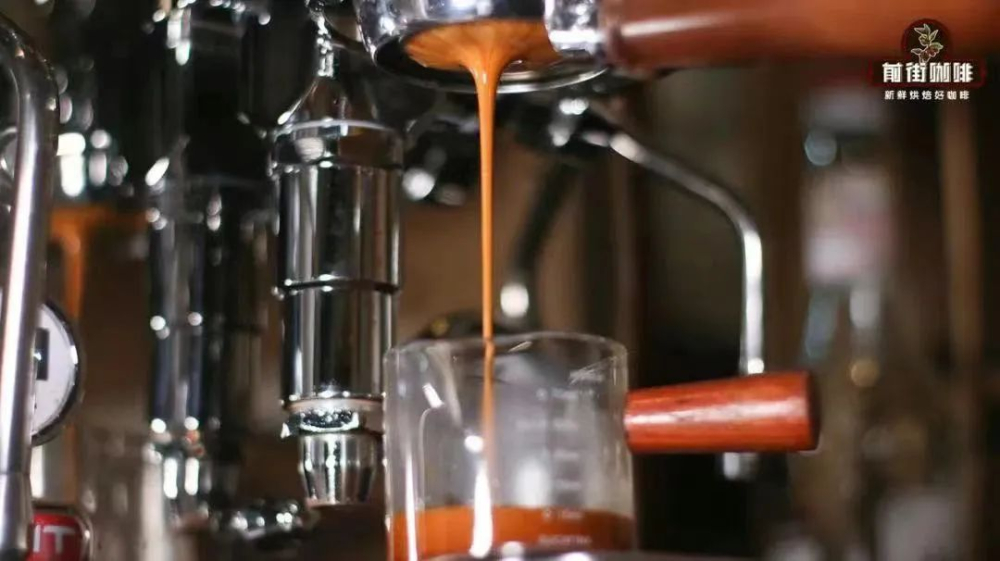
The crema on the surface of an espresso is not just about aesthetics—it also relates to flavor expression and texture layers. When this layer is thin or missing, it often indicates abnormalities during the extraction process, which can affect the release of the coffee’s flavors and overall balance. Understanding the reasons behind a thin crema layer can help you more precisely adjust extraction parameters and improve the consistency of each shot.
First,Coffee Bean Freshnessis the primary factor affecting crema formation. Freshly roasted coffee beans contain abundant carbon dioxide, which helps create the fine, dense foam layer—what we call crema—during extraction. Generally speaking, the optimal enjoyment period for espresso beans is within60 days after roasting. Once this period is exceeded, the carbon dioxide in the beans significantly decreases, making it naturally difficult to form crema. In addition, even within the optimal period, improper storage—such as incomplete sealing or excessive exposure to air—can accelerate the loss of carbon dioxide, leading to a noticeably thinner crema during extraction. It is recommended to always check the roast date when purchasing and store the beans properly in an airtight container, away from light, moisture, and high temperatures, to maintain the beans’ freshness.
The second common issue isEspresso Machine Pressure Settings. While the pressure valve on home machines is convenient to operate, it can easily be altered by accidental bumps. The ideal extraction pressure should be maintained between9~10bar[pressure range placeholder]
. If the pressure is too low, it may lead to under-extraction, which in turn affects crema formation. Therefore, when you notice significant changes in the crema layer, it’s a good idea to first check whether the machine’s pressure valve is still set to normal values, to avoid unstable output due to setting errors.Next isGrind Size and Dose Settings. If the grind is too coarse or the dose is too small, the resistance of water passing through the coffee grounds is reduced, which can easily lead to channeling effects, resulting in uneven extraction and too short an extraction time. When you notice that the coffee flows out too quickly, with a lighter color and thin crema, this could be a warning sign that the grind is not fine enough or the dose is insufficient. It is recommended to use the suggested dose indicated on your portafilter basket as a baseline, and judge whether the grind size is appropriate by observing the extraction time (generally recommended to be around20–30 seconds
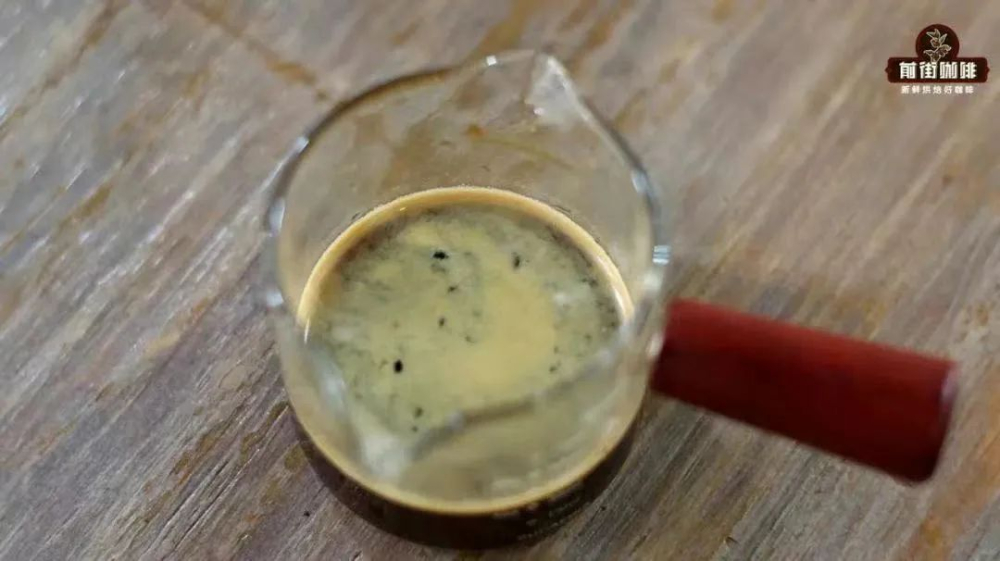
). If necessary, you can fine-tune your grinder to achieve more stable extraction results.The fourth key factor isWater Temperature Control. The ideal extraction water temperature for a standard espresso is90°C to 96°C. If the water temperature is too low, it can result in under-extraction, causing incomplete release of flavor compounds and carbon dioxide, which will also affect the crema layer. Especially during the initial startup phase of the machine, when it has not yet fully preheated, the water temperature may not yet be stable. It is recommended to wait approximately20 minutes
after turning on the machine before starting extraction, to ensure a stable temperature, which helps extract a fuller and richer crema espresso.Finally,Coffee Bean Roast Level
also greatly influences crema formation. Lighter roasts typically retain more acidic compounds and original flavors, but their internal structure is relatively harder and they contain less carbon dioxide, making it less likely to produce a thick crema layer during extraction. Even if parameters are adjusted to allow for smooth extraction, compared to darker roasts, the crema performance may still be relatively weaker. Darker roasts, on the other hand, undergo high-temperature and long-duration processing, resulting in more internal gases, which makes it easier to release fine and persistent crema foam during extraction. This makes them suitable for users seeking a rich mouthfeel and latte art effects.For most home espresso machine users, choosing a stable and machine-compatibleespresso blend
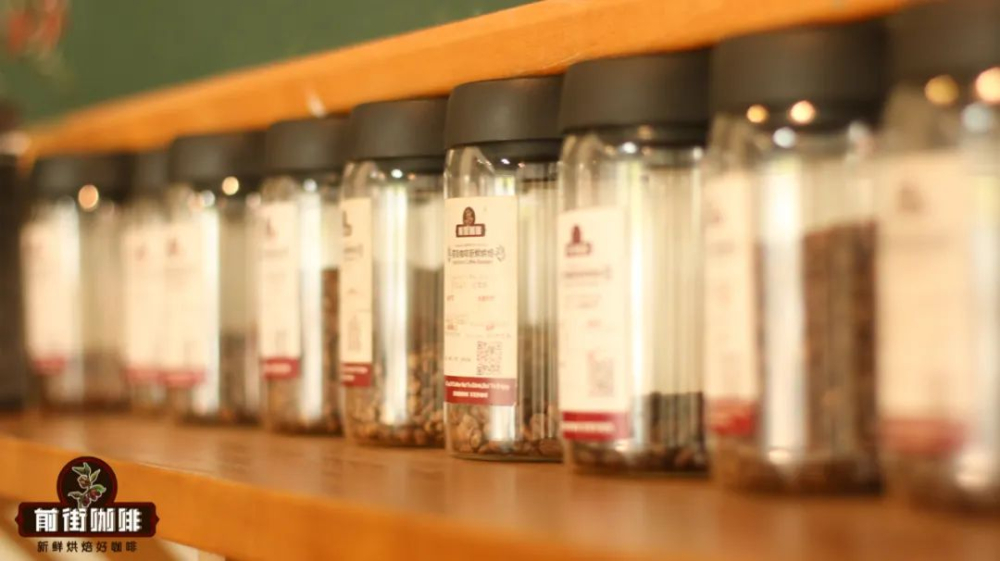
is an important strategy to ensure consistent performance in every extraction. Blends typically combine beans from different origins and are mainly medium to dark roasted. They not only offer rich flavor layers but also improve extraction fault tolerance, making them more suitable for everyday use in non-professional environments.
The above content is compiled by CoffeeHunters, a coffee news website.


