








Introduction:Does your coffee always get cold too quickly in winter? Many coffee lovers wonder whether reheating cooled coffee is possible. This article presents a practical comparison between a light-roast pour over and a medium-dark roast flat white to analyze how cooling affects coffee flavor and mouthfeel. We also conduct actual reheating tests to help you decide when it’s appropriate to reheat and when it’s better to enjoy freshly brewed coffee.
As the weather turns colder, coffee cools down noticeably faster, and many customers ask if they can reheat their cooled coffee. In reality, this question involves how temperature affects taste perception and the volatility of flavor compounds. Before discussing whether reheating is feasible, let’s first understand what changes occur when coffee cools.
The Impact of Temperature on Taste
The human tongue's sensitivity to acidity, sweetness, and bitterness varies with temperature. When coffee is hot, the perception of acidity and bitterness is suppressed, while sweetness becomes more prominent—hence, hot coffee often delivers a richer layer of sweetness.
However, as the coffee cools, acidity and bitterness gradually return, and depending on the roast level of the beans, the flavor may lean more acidic or bitter. Additionally, lower temperatures dull the once-vibrant aromas, significantly reducing the overall drinking experience.
Volatility of Flavor Compounds
The flavors in coffee primarily come from volatile compounds, which gradually dissipate over time and with temperature changes. Although the rate of flavor compound evaporation slows as the coffee cools, the overall perception is markedly less vivid compared to hot coffee. As a result, even if reheated to its original temperature, it’s difficult to fully restore the complete flavor profile of freshly brewed coffee.

So, if we only consider temperature and not flavor loss, can reheating improve the drinking experience of cooled coffee? Below are our test results for two common types of coffee: pour over and flat white.
Experimental Design and Parameters
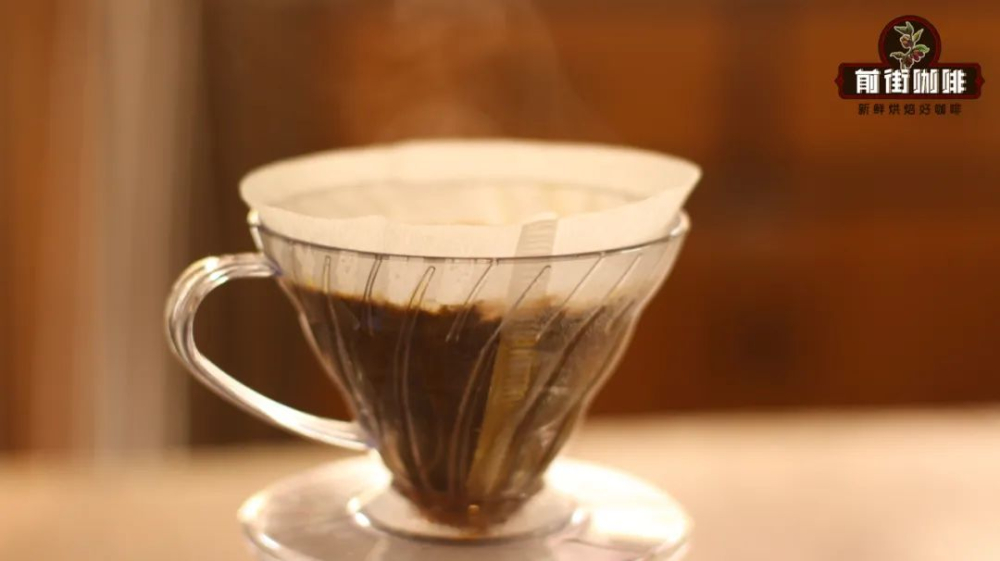
This experiment uses a light-roast pour over and a medium-dark roast flat white. The former is made with Guatemala · New Oriental Geisha, using a 1:15 coffee-to-water ratio (15 grams of coffee grounds with 225 ml of water), at 92°C, extracted via a three-stage method with a V60 filter. The latter is a Warm Sun blend, based on milk with less foam to better observe flavor changes.
After brewing, the pour over was around 67°C, and the flat white was 55°C. We conducted tastings at three stages: hot, cooled to room temperature (about 29°C), and reheated to the original temperature, observing differences in flavor and mouthfeel.

Pour Over Coffee Tasting Results
The freshly brewed pour over (67°C) exhibited pronounced sweet orange and narcissus floral notes, with a rich body and honey-like sweetness, along with soft and well-balanced acidity. When cooled to room temperature (29°C), the aroma nearly disappeared, the overall flavor became thin, the acidity turned sharp with a tea-like astringency, and the drinking experience significantly declined.
After reheating to about 60°C, the intensity of the acidity eased, the mouthfeel became smoother than when cooled, and although it didn’t match the complexity of the freshly brewed cup, it regained some drinkability.

Flat White Coffee Tasting Results
The freshly prepared flat white (55°C) featured aromas of chocolate, whisky, and buttery cookies, with good integration between milk and coffee, notable sweetness, and a smooth mouthfeel. When cooled to room temperature, due to the berry notes in the blend, a slight acidity emerged, but the overall profile remained chocolate-forward, only appearing slightly more muted compared to the hot version.
After reheating to 55°C, the acidity almost vanished, and though the flavors weren’t as vivid as when freshly brewed, the overall performance remained stable and enjoyable.
Experimental Conclusion and Recommendations
Testing confirms that reheating cooled coffee back to its original temperature can indeed improve mouthfeel to some extent, reducing the impact of acidity and flavor loss—especially for medium-dark roasts or milk-based coffee drinks. However, if the coffee beans have significant negative flavors (such as bitterness from over-extraction or hay-like notes), reheating won’t eliminate these flaws and may even worsen the mouthfeel due to the characteristics of chlorogenic acids and their derivatives.
Therefore, it’s recommended that after coffee cools, first taste and evaluate its flavor condition. If the issue is just temperature and the bean quality is fine, moderate reheating is a viable option; however, if undesirable flavors have developed, it’s better to brew a fresh cup to enjoy the optimal flavor profile.

The above content is compiled by CoffeeHunters, a coffee news website.


