








Introduction:Moka pot, mocha coffee, and mocha coffee beans — these three terms with "mocha" in them often cause confusion. Can the coffee brewed in a moka pot be called mocha coffee? What’s so special about mocha beans? This article will take you through their historical origins, bean characteristics, and the uses of the equipment to clearly explain their similarities and differences, helping you correctly understand these "mochas" and no longer mix them up.
When you see the names "moka pot," "mocha coffee," and "mocha coffee beans," have you ever wondered: they all contain the word "mocha" — what’s the connection? A more common question is: can the coffee brewed in a moka pot be called mocha coffee? In fact, although these three terms share the word "mocha," their origins and uses are completely different. This article will help you clarify their historical background and practical meanings, so you’re no longer confused by the names.
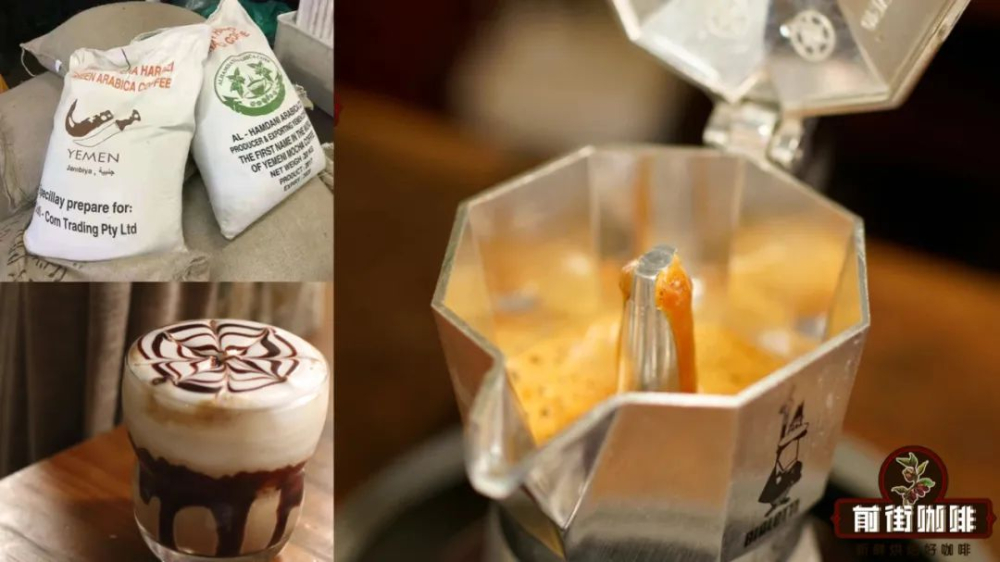
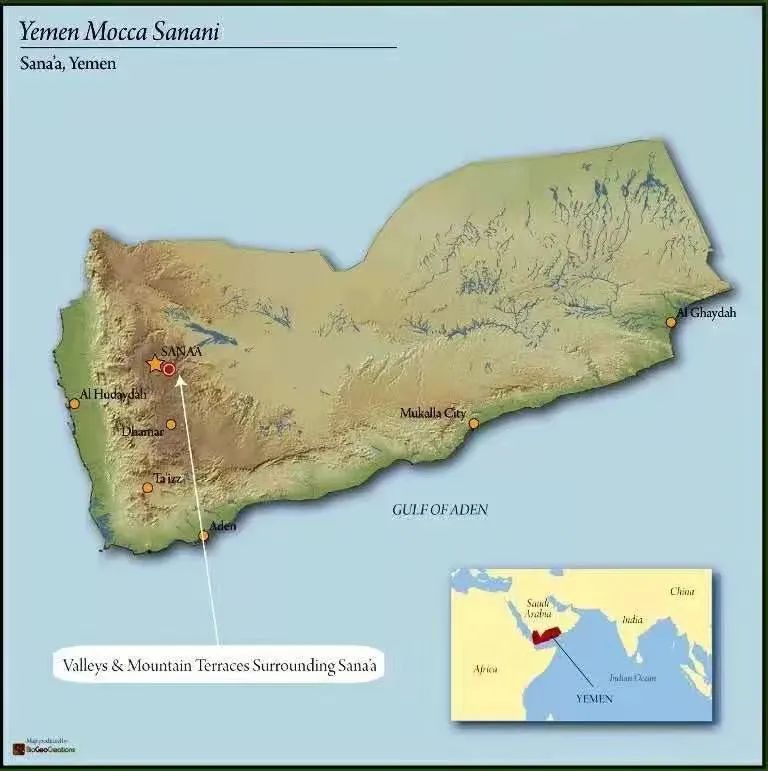
First, why do they all have "mocha" in their names? The origin of this word can actually be traced back to an ancient port in Yemen — the Port of Mocha. As early as the 15th century, this port was a major hub of global maritime trade, similar in status to today’s Shanghai Port, with many goods passing through it. Therefore, "Mocha" (MOCHA) was originally just a place name, with no direct connection to coffee itself.

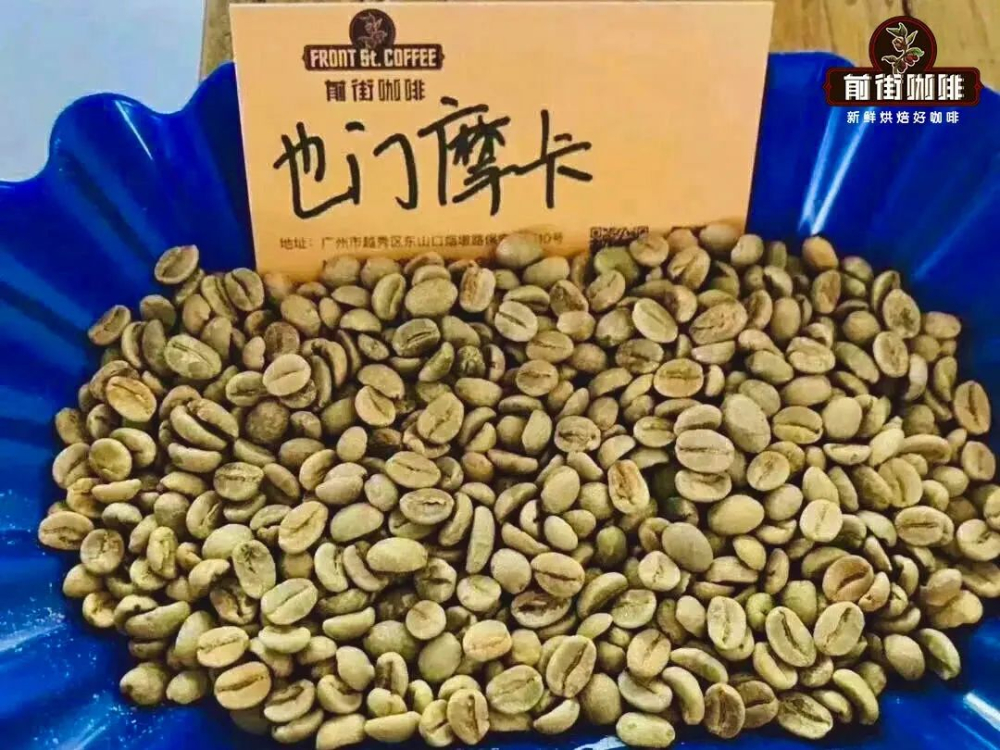
So, what are mocha coffee beans? In the trade of the Port of Mocha, one of the most popular commodities was coffee beans. It’s worth noting that the Port of Mocha itself did not grow coffee (the Port of Mocha is not the same as all of Yemen), but at that time, many high-quality coffee beans from Yemen were exported to Europe through this port. These coffee beans, known for their rich and unique chocolate-like flavor, were highly favored by European nobility. Since people only knew that these beans came from the Port of Mocha, over time, the European market collectively referred to these types of coffee beans as "mocha coffee" — that is, coffee beans produced at the Port of Mocha.
Over time, these coffee beans exported from the Port of Mocha were labeled with the word "MOCHA" to certify their authentic origin. Therefore, in that era, when people mentioned "mocha," most associated it with this type of coffee bean with a special flavor, rather than the original port name.
By the 18th century, as various parts of Europe began developing their own coffee plantations and the culture of Italian-style coffee emerged, the importance of the Port of Mocha gradually declined. Especially during the Ottoman Empire's rule over Yemen, the export volume of mocha coffee beans drastically decreased, making it difficult for Europeans to taste that mocha coffee with a rich chocolate flavor again. At that time, the rarity of mocha coffee beans in the market was similar to today’s Geisha variety — outstanding in flavor but limited in supply.
To recreate the chocolate flavor of the original mocha coffee beans, baristas began adding chocolate syrup to espresso, creating a new beverage — which is the "mocha coffee" we are familiar with today. This drink is typically based on espresso, paired with whipped cream and chocolate syrup, and is a milk coffee with a chocolate flavor, having nothing to do with the original mocha coffee beans.
As for the moka pot, although its name also contains "mocha," it has no direct connection to the aforementioned mocha coffee or mocha beans. The moka pot, originally called the "Moka Express," was invented in 1933 by the Italian Alfonso Bialetti. Its design was inspired by the washing machines of the time, particularly the metal tube structure that used heat to draw up liquids. Bialetti applied this principle to coffee extraction, creating a small appliance that could easily produce espresso-like coffee at home.
The reason the moka pot is called a "moka pot" is said to be because early Venetians mostly encountered coffee beans exported from the Port of Mocha, with sacks bearing the word "mocha," making the term "mocha" a local synonym for coffee. Although this story is not fully verified, "Moka" is also used in Italian as a colloquial term for coffee, so the English name of the moka pot, "Moka Express," can be understood as "an appliance for quickly obtaining coffee."
When using a moka pot, it is recommended to use medium-fine ground coffee, with a coffee-to-water ratio of about 1:15 to 1:18, and water temperature controlled between 90–96°C, to extract a rich coffee liquid with crema. But be aware, the coffee brewed in a moka pot, while flavorful and strong, is not mocha coffee. It is simply coffee brewed using a moka pot — no matter which coffee beans you use, it cannot be called mocha coffee.
In summary, the word "mocha" has multiple meanings in the coffee world: it was once a port name, once a term for specific coffee beans, and once the name of a coffee drink with a chocolate flavor. The moka pot, on the other hand, is merely a household appliance that uses pressure principles to quickly brew coffee. Next time you see these terms with "mocha," try to recall their respective histories and purposes, and you won’t get them mixed up anymore.

The above content is compiled by CoffeeHunters, a coffee news website.


