








Introduction:As a classic milk coffee, the definition of cappuccino has continuously evolved with the development of coffee culture. From the 18th-century Viennese Kapuziner to today’s versions adorned with intricate latte art, how has this beverage transformed? This article delves into the historical origins, traditional ratios, and milk foam techniques of the cappuccino, explores the impact of latte art on foam texture, and clarifies what constitutes an “authentic” cappuccino—helping readers better understand the essence of this classic drink.
Cappuccino is a staple on many café menus, but its definition has been constantly evolving. From the early Viennese-style Kapuziner to the now-common latte art version, the appearance and preparation of this milk coffee have changed significantly. So, what exactly is a true cappuccino? Does it necessarily need latte art? This article will take you through its historical background, changes in proportions, and improvements in milk foam technology to fully analyze the past and present of this classic beverage.

As early as the 18th century, a coffee-based drink made with cream, spices, and honey appeared in Viennese cafés and was called Kapuziner. It is said to have been created by a Pole named Kulczycki, who used a cloth bag to filter out coffee grounds and then added seasonings to make the coffee smoother and give it a reddish-brown color similar to a monk’s robe. Because of its color, which resembled the attire of the Capuchin friars, the drink was named “Kapuziner.”
Over time, this drink made its way to Italy, where it evolved into the prototype of the modern cappuccino with the introduction of the newly invented espresso machine. Italians used espresso as the base, replaced cream with whipped, velvety milk foam, and used a spoon to shape the surface foam into something resembling a pointed hat. Eventually, the drink was given the Italian name—Cappuccino—the cappuccino we know today.
There is another theory about the name cappuccino, suggesting it may derive from the robe color of the Catholic Capuchin monks, similar in spirit to the origin of Kapuziner. The original Kapuziner is now, in most contexts, considered a type of Viennese coffee.
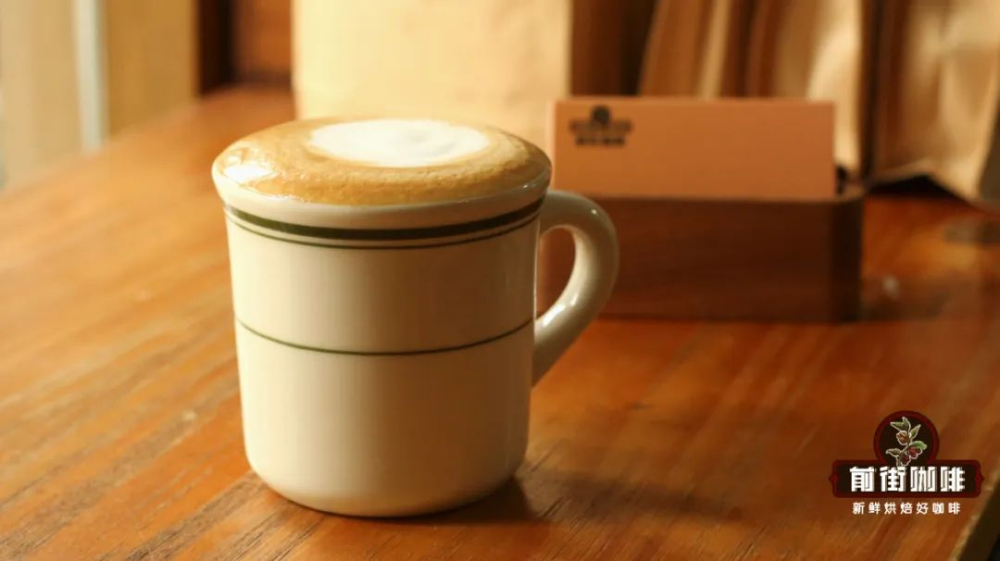
Traditional cappuccinos emphasize precise proportions: coffee, milk, and foam each make up one-third. Taking a cup of about 177 milliliters (6 ounces) as an example, it typically uses a double shot of espresso (about 60 milliliters), paired with one-third hot milk (about 60 milliliters), and the remaining portion as foam. The foam thickness in this ratio is about 2.5 centimeters, so the first couple of sips are almost all foam, with the coffee flavor concentrated at the bottom—rich and bold.
Before the steam wand became common, milk foam had to be whipped by hand, resulting in coarser bubbles. At that time, making a cappuccino involved scooping thick foam into the cup, piling it close to the rim, even reaching an “eleven-tenths full” level, with a small white peak on top. This foam texture was similar to meringue—stable, but not fully integrated with the coffee itself.
With advancements in espresso machine technology, the steam wand became the primary tool for foaming milk. This method not only produced finer, richer foam but also greatly improved efficiency and eliminated the need to use a spoon to shape the foam. As a result, later cappuccinos gradually lost the “little peak,” instead forming a smooth, slightly raised “dome.”
This change also shaped the public’s classic impression of cappuccino: small serving size, raised foam, intense coffee aroma, and the velvety mouthfeel from the thick foam. However, it is also this thicker layer of foam that reduces milk flowability, making cappuccinos less suitable than lattes for showcasing elaborate latte art patterns. Therefore, some baristas opt for a center pour technique, allowing the foam to gently merge with the espresso and form a golden ring around the edge—known as the “golden crema.”
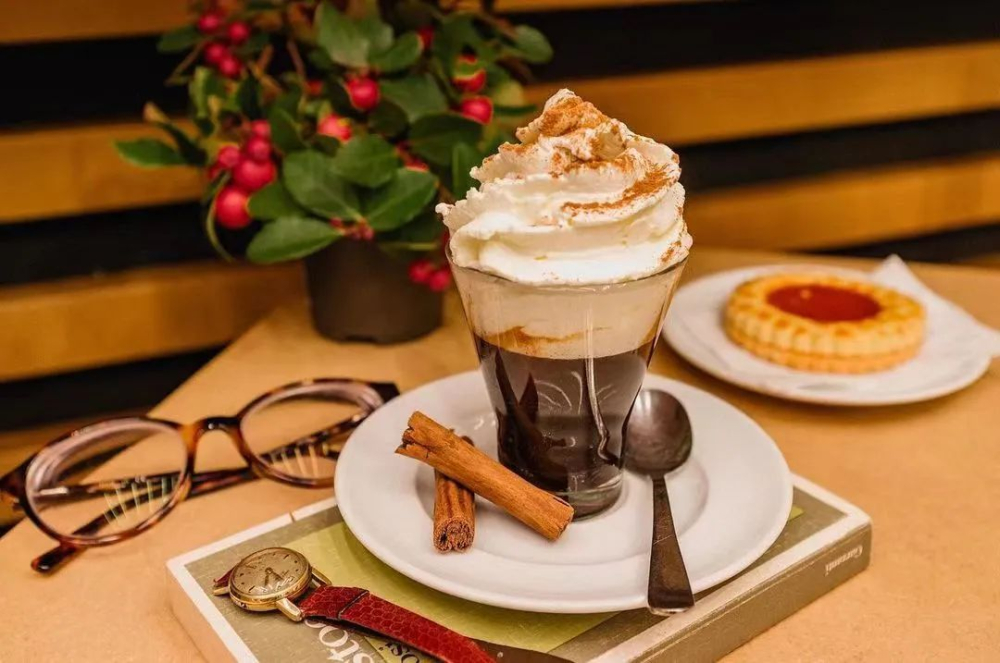
Today, latte art has become an important way for many baristas to showcase their skills, whether for lattes or cappuccinos, all aiming to present beautiful designs. To make the foam more fluid for drawing, some baristas reduce the air intake during foaming, resulting in thinner foam. Additionally, for takeout needs, some shops deliberately lower the foam height to avoid spillage risks, leading to many modern cappuccinos no longer exhibiting the traditional “eleven-tenths full” form.
It’s worth noting that an “authentic” cappuccino doesn’t mean completely replicating past methods. With changes in coffee bean quality, roast levels, extraction equipment, and consumer preferences, this beverage has been continuously adjusting. However, if a drink loses core characteristics such as “small serving size, thick foam, concentrated coffee flavor, and a nearly full cup form,” it may have strayed from the essence of a cappuccino and can hardly be considered a traditional cappuccino.
The above content is compiled by CoffeeHunters, a coffee news website.


