








Introduction:When concentrated milk enters the world of coffee, it brings a richer and creamier taste experience to milk coffee. However, many beginners still use standard milk ratios, resulting in the milk flavor overpowering the coffee's inherent taste. This article delves into the principles behind concentrated milk (such as icebuck), and step-by-step teaches you how to make a "homemade version of concentrated milk" at home. It also details how to adjust the golden ratio of coffee to milk to enhance the overall balance, sweetness, and layering of milk coffee. Additionally, it specifically introduces its excellent application in Dirty coffee, helping you refine your milk coffee brewing skills.
In the world of specialty coffee, more and more people are beginning to pay attention to the impact of milk on coffee flavor. Among them, concentrated milk (such as the commonly available icebuck) is gradually becoming the new favorite of milk coffee enthusiasts due to its rich and creamy taste. However, many novice coffee lovers often directly use concentrated milk with traditional milk coffee ratios, only to find that the milk aroma overshadows the coffee, losing the original layers and balance.
How should concentrated milk be used correctly? And how should the ratio of coffee to milk be adjusted to elevate the flavor of milk coffee? This article will start from the production principle of icebuck, helping you understand how it increases the concentration of milk by removing water, thereby altering the overall taste profile of milk coffee.

First, let’s understand the basic principle of icebuck. The name originates from the German word Eisbock, which is a technique that uses temperature differences to separate water from other components. In milk, the freezing point of water is 0°C, while that of fat and protein is relatively lower. Therefore, when milk is frozen, water freezes first, while other nutrients remain liquid or freeze later.
When you place milk in a low-temperature environment (such as a freezer at -20°C) and let it slowly thaw, the first liquid that comes out contains relatively less water, but higher concentrations of fat, protein, and lactose. By collecting these initial portions during the thawing process and discarding the final melted water, you can obtain concentrated extracted milk.
If you don’t have access to professionally made concentrated milk products, you can try making a “homemade version of icebuck,” which is a simplified version of concentrated milk. The method is very simple: place a bottle of room-temperature fresh milk in the freezer and let it sit for about a full night until it is completely frozen. The next day, take it out and place it upside down over a clean container, allowing the milk to naturally drip at room temperature. It is recommended to stop and collect the remaining concentrated milk once the dripped liquid reaches about 40% of the original milk volume. If you prefer a milder taste, you can extend the dripping time until about 50% has dripped out before collecting.

This homemade concentrated milk, although only about half as concentrated as commercially available icebuck, is still distinctly different from regular milk, making it particularly suitable for everyday homemade milk coffee. Note that after concentration, the milk has a richer flavor, stronger sweetness, and a smoother, creamier texture. Therefore, it’s essential to readjust the coffee-to-milk ratio when using it to avoid the milk flavor overwhelming the essence of the coffee.
For example, the common ratio for a latte is 5:1 (i.e., 200ml milk with 40ml coffee), but if you’re using concentrated milk, it is recommended to increase the espresso ratio to 10:3 (i.e., 200ml concentrated milk with 55ml coffee), or moderately reduce the milk to 160ml and maintain a 4:1 ratio. This way, not only can the coffee aroma be preserved, but the sweetness and richness of the concentrated milk can also be highlighted, resulting in a more balanced overall taste.
Particularly worth mentioning is that concentrated milk is especially suitable for making Dirty coffee. Due to its high concentration bringing greater lactose content, it provides a richer sweetness. Coupled with its higher density, it creates a striking contrast with the hot espresso floating on top. Not only does the layered effect last longer, but the layering sensation upon drinking is also more distinct, making the overall experience smoother and more dynamic.
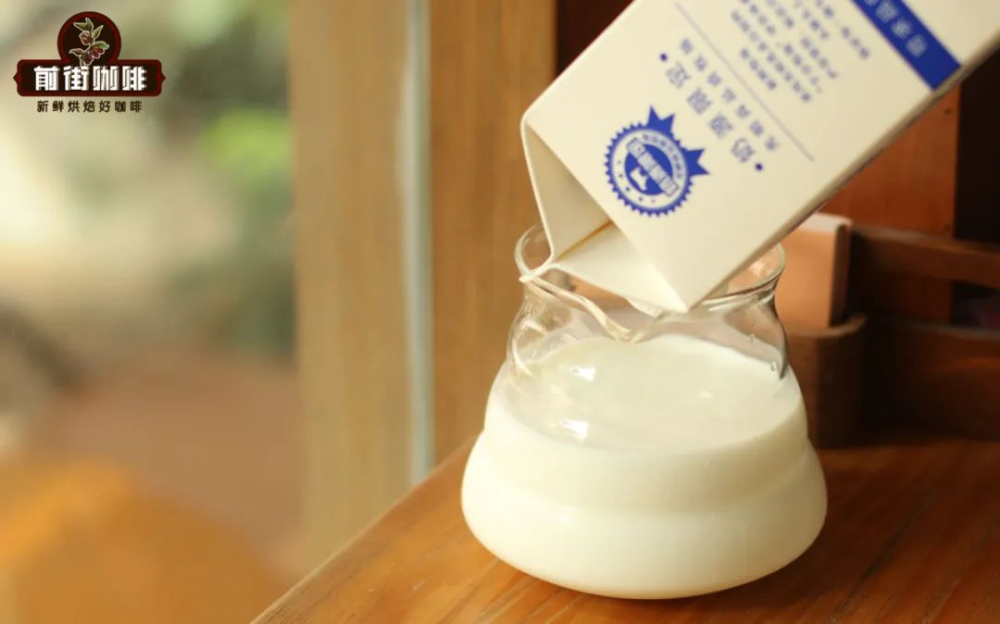
In summary, concentrated milk can deliver a distinctly different sensory experience for milk coffee—whether it’s the enhanced sweetness, the richer texture, or its complementary interplay with coffee flavors—it makes it an indispensable choice for milk coffee lovers. As long as you master the brewing ratio of coffee to milk and fine-tune it according to personal taste, you too can easily create professional-grade milk coffee at home, further exploring the endless possibilities of coffee.

The above content is compiled by CoffeeHunters, a coffee news website.


