







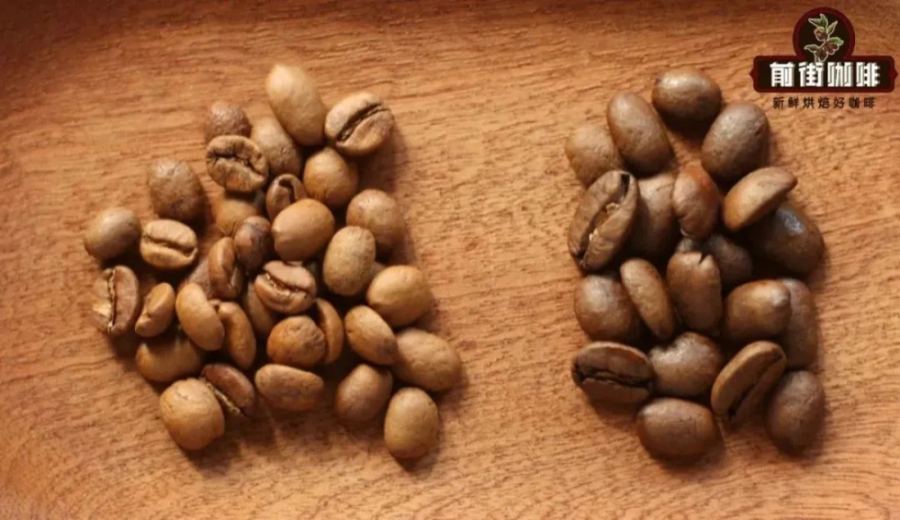
Introduction:Dive deep into the Agtron color value system and master the scientific classification of eight roast levels—from light to espresso. This article explains how color values from 95 to 25 correspond to different roast stages, revealing the ideal drop times, flavor profiles, and practical references for each range, helping you more professionally assess coffee roast levels and their impact on flavor.
After undergoing different levels of roasting, the appearance of coffee beans undergoes significant changes, and these changes are not determined by feel alone but follow a scientifically quantifiable standard—namely, the widely used Agtron color value system in the industry. This system uses numerical values from 95 to 25 to distinguish eight roast levels ranging from extremely light to extremely dark. The higher the number, the lighter the bean color; the lower the number, the darker the roast. Each numerical range not only has a clear reference for drop timing but also corresponds to unique flavor characteristics, from bright and vibrant acidity to rich, intense roastiness and bitterness—all of which can be roughly gauged through Agtron values.
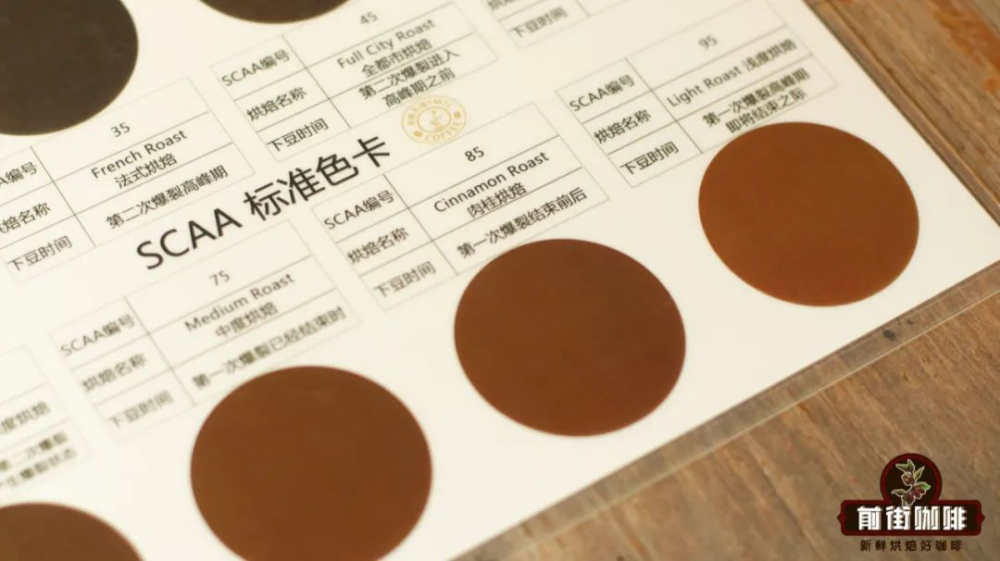
Agtron originally means "caramelization analysis value." This system was established by professionals and is currently one of the internationally recognized key indicators for evaluating coffee roast levels. On commonly used coffee color charts in the industry, eight distinctly colored blocks are arranged, each labeled with its corresponding Agtron value, from high to low, intuitively reflecting the depth of roast. In short, the higher the value, the lighter the roast and the closer the color is to light brown or light beige; the lower the value, the darker the roast, with colors trending toward dark brown or even near black.
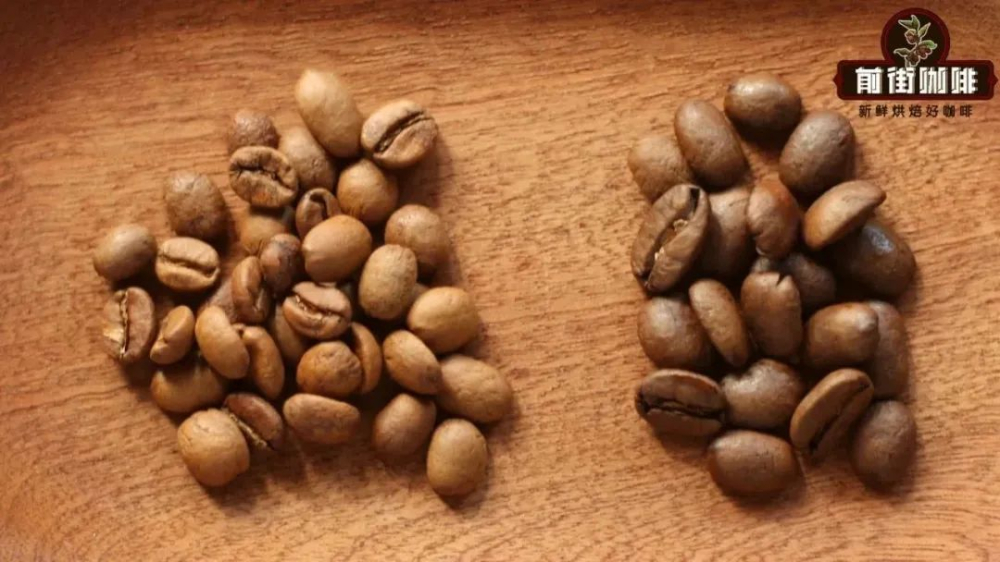
In the Agtron color value system, a color value of 95 represents a light roast, typically dropped just before the end of the first crack. This roast level focuses on preserving the bean’s original characteristics, emphasizing a bright and lively acidity, making it suitable for those who enjoy fruity and floral notes. Next is the color value 85, known as cinnamon roast, dropped around the end of the first crack, when sporadic cracking sounds can still be heard. The acidity is relatively subdued, while sweetness begins to emerge, marking a transitional stage between light and medium roasts.
When the color value reaches 75, we enter the medium roast range. Beans at this stage are generally dropped after the first crack has fully ended, achieving a good balance between acidity and sweetness. The taste is often described as refreshing and layered, similar to fresh juice. Further reducing the color value to 65 places us in the high roast category, dropped during the quiet period just before the start of the second crack. The flavor begins to shift toward bitterness, often accompanied by classic dark roast notes such as nuts, cream, and chocolate.
A color value of 55 corresponds to city roast, dropped around the beginning of the second crack. At this stage, bitterness becomes noticeably stronger, accompanied by distinct caramel aromas—a common roast level for many everyday drinking beans. Going further down, a color value of 45 represents full city roast, dropped just before the second crack begins. Although it’s only a difference of about ten seconds compared to city roast, the flavor shifts toward a more intense bitterness and roastiness, suiting consumers who prefer bolder tastes.
A color value of 35, known as French roast, is typically dropped during the dense phase of the second crack. At this point, the beans begin to show surface oils, and cracking sounds may still be heard after dropping. The coffee at this stage is intensely bitter, with flavor notes leaning toward charred and deep roastiness. Finally, a color value of 25, representing Italian roast, is dropped only after the second crack has completely ended. By this time, the coffee beans have taken on a jet-black, glossy appearance, sometimes with a slight sheen, with oils heavily exuding onto the surface. The flavor often carries a noticeable burnt taste, making it a common roast level for espresso.
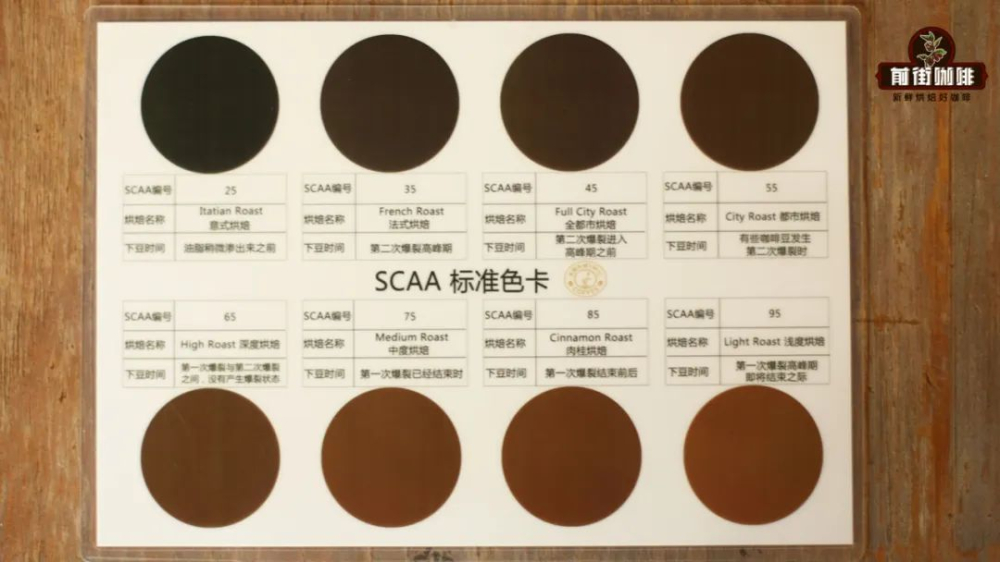
From the above correspondence between color values and roast levels, it can be seen that beans in the 95, 85, and 75 ranges mostly feature varying degrees of acidity as the dominant flavor, suitable for those who prefer a bright taste profile. Once the color value drops below 65, bitterness gradually becomes the main theme, especially in roast stages approaching the second crack, where acidity almost completely fades, replaced by intense roastiness and deep flavors.
It’s worth noting that although the Agtron color value provides a scientific and intuitive reference, actual application still requires judgment based on tasting experience. Particularly with today’s popular processing methods such as honey processing and anaerobic fermentation, these techniques can significantly affect the appearance and color of beans after roasting. Relying solely on color values may lead to misjudgments. Therefore, it is recommended that both consumers and professionals avoid being overly fixated on numerical values and instead comprehensively evaluate the roast level based on the actual balance of acidity, sweetness, and bitterness, as well as the overall flavor profile experienced during tasting.
Overall, the Agtron color value system is a highly practical tool for referencing roast levels, helping us understand the flavor transitions and technical details between light and dark roasts. Whether you’re a beginner coffee enthusiast or a professional looking to deepen your understanding of roasting craftsmanship, mastering this color value correlation will give you greater discernment when selecting and evaluating coffee beans.
The above content is compiled by CoffeeHunters, a coffee news website.


