







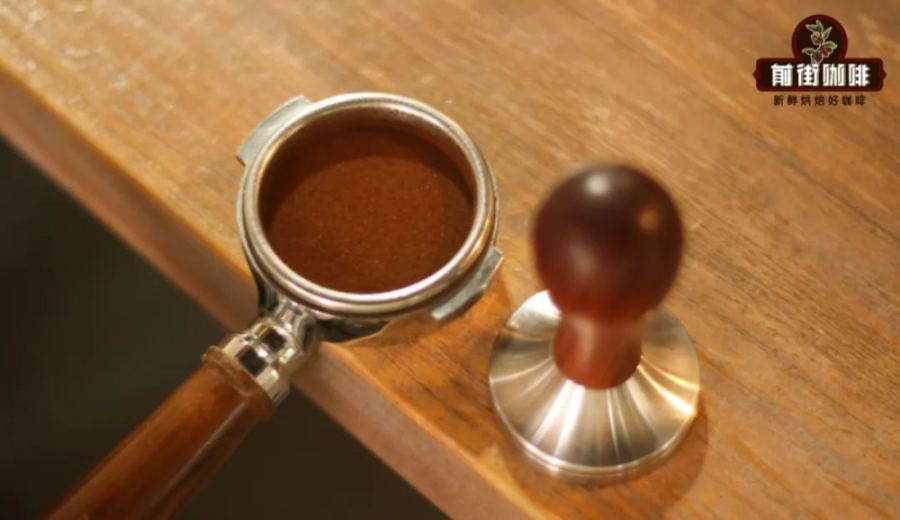
Introduction:Tamping pressure is one of the key factors that affect the uniformity of espresso extraction, yet baristas have always disagreed on "how much force is the right amount." This article explores the differences through comparative experiments using coarse (2.5 setting) and fine (1.5 setting) grinds, applying both the conventional 1.5 kg tamping force and near-maximum pressure of around 9 kg. By observing changes in extraction time, it reveals best practices for tamping pressure at different grind sizes and explains the science behind them.
When making espresso, flattening the coffee grounds into a uniform and compact puck is a widely accepted foundation for stable extraction. However, there has always been differing practice in the industry regarding "how much force to use" — some baristas give the portafilter a slight twist and apply minimal pressure, while others put all their strength into compacting the puck to its limit. Through actual testing, using two grind sizes — coarse (2.5 setting) and fine (1.5 setting) — and applying both a conventional 1.5 kg pressure and an all-out effort of approximately 9 kg, we observed how different pressures affected extraction times, uncovering the relationship between tamping force and grind fineness.
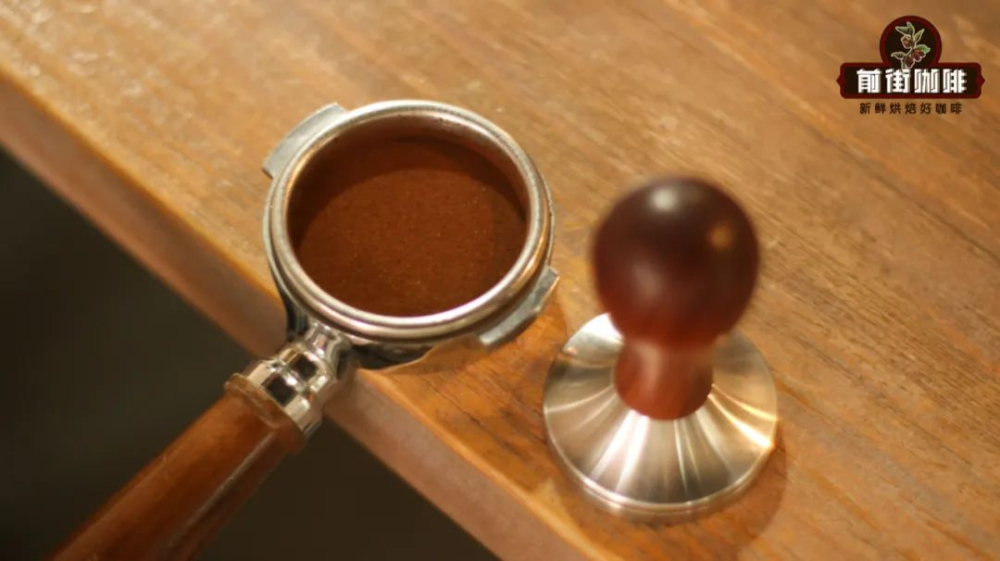
The importance of flattening the puck lies in this: if the coffee bed is unevenly distributed (for example, higher on one side and lower on the other), it can easily lead to "channeling" — where hot water preferentially flows through the looser areas of least resistance, resulting in some coffee grounds not being fully extracted and affecting the final flavor. As for the debate over tamping pressure, it mainly falls into two camps: one believes that as long as the puck is flat and compact, a slight twist of the tamper followed by light pressure is sufficient, because the high-pressure extraction of the espresso machine (typically 9 Bar) minimizes the impact of the initial compaction; the other insists that "the harder you tamp, the more stable the flow," even going so far as to tamp with nearly full force, believing this ensures uniform extraction.
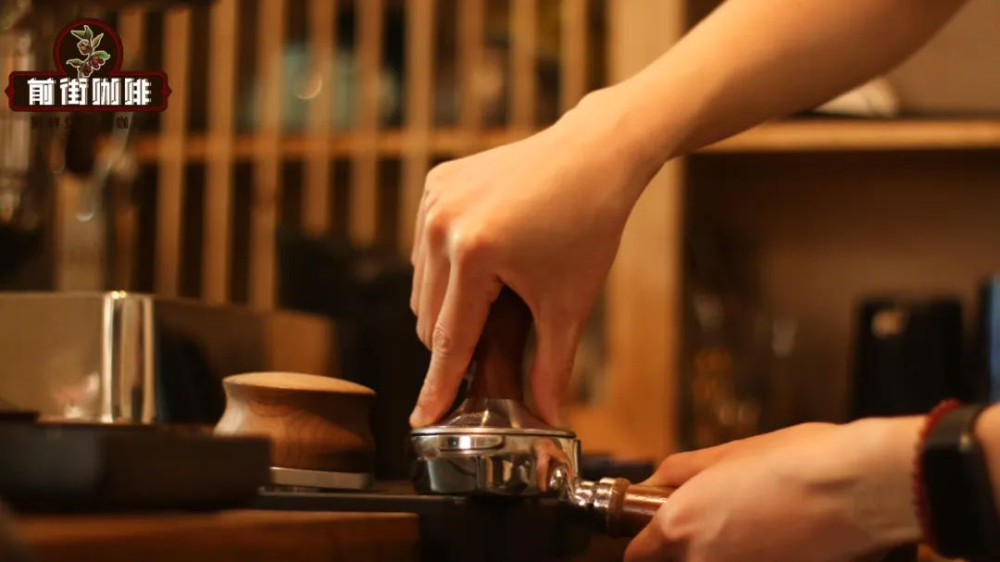
So, how much force should be used in practice? This experiment used a Galileo Q18 grinder, with a fixed coffee dose of 20 grams and a target yield of 40 ml. Comparisons were made between coarse (2.5 setting, shorter extraction time) and fine (1.5 setting) grinds. By observing changes in extraction time under different tamping pressures, we aimed to identify the most suitable tamping strategy.
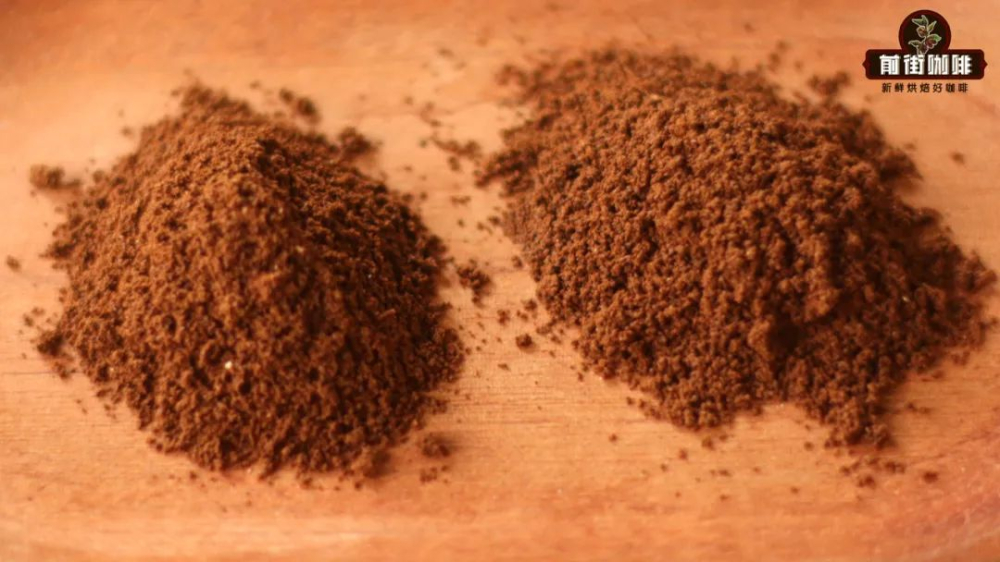
First, the fine grind (1.5 setting) test: after distributing the grounds, tamping was performed with both 1.5 kg (conventional) and approximately 9 kg (measured using a scale, full effort) of pressure. The results showed that at 1.5 kg, it took 30 seconds to extract 40 ml; whereas the puck tamped with full effort required 33 seconds in both repeated tests. This shows that fine coffee grounds, with their smaller particle size, require greater pressure to achieve sufficient compaction — the 1.5 kg force was clearly insufficient, and simply increasing the pressure slightly to 2 kg would bring the extraction time in line with that of the full-force tamped puck.

Now, let’s look at the performance of the coarse grind (2.5 setting): after distributing the grounds, tamping was done with both 1.5 kg and full effort, and the extraction time for 40 ml was 20 seconds in both cases. This indicates that the larger particle gaps in coarse coffee grounds mean that 1.5 kg of pressure is already enough to achieve adequate compaction, and increasing the force further has minimal impact on extraction time.
The overall conclusion from the experiment can be summarized as follows: the density difference of coffee grounds directly determines the amount of force needed for compaction. Fine grinds, due to their small particle size, require more force to reach a compact state (a recommended minimum of 2 kg or more); whereas coarse grinds, with their larger particle gaps, are sufficiently compacted with just the conventional 1.5 kg pressure, and applying full force does not bring any noticeable improvement. Therefore, the key to adjusting tamping pressure is "matching the grind size" — the finer the grind, the more appropriate it is to increase pressure; for coarser grinds, the conventional force is sufficient, and excessive pressure may simply be a waste of effort.
The above content is compiled by CoffeeHunters, a coffee news website.


