







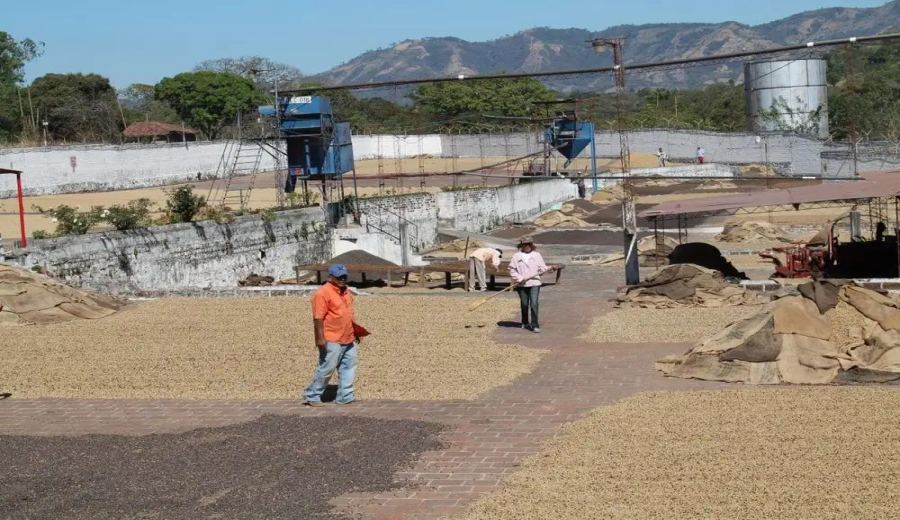
Introduction:An in-depth exploration of how El Salvador transformed from a country reliant on indigo exports in the 19th century to one of the world’s renowned specialty coffee regions. This article traces the century-long evolution of its coffee industry, examines how post-war land reforms led to today’s landscape where 95% of producers are smallholders, reveals the background behind the emergence of premium varieties like Pacas and Pacamara, and highlights the critical role of shade-grown cultivation in ecological conservation.
Before the 19th century, indigo dye was the primary export commodity sustaining El Salvador and its neighbor Guatemala. However, with the technological breakthrough of synthetic dyes in the 1880s, demand for this natural material plummeted, paving the way for coffee plants originating from Africa to rise in prominence.Within just a decade, El Salvador had joined the ranks of the world’s major coffee exporting nations.Coffee cultivation rapidly replaced indigo as the economic backbone of the central highlands.
This industrial shift was driven by an elite class that controlled vast tracts of land.At the time, over 90% of the country’s coffee production was concentrated in the hands of large estate owners, who made up just 1% of the population.This group included former president Tomás Regalado—who personally owned more than 6,000 hectares of coffee plantations. These elites, leveraging political connections and military power, forcibly seized farmers’ lands and compelled landless laborers to work under near-slave-like conditions on the plantations.
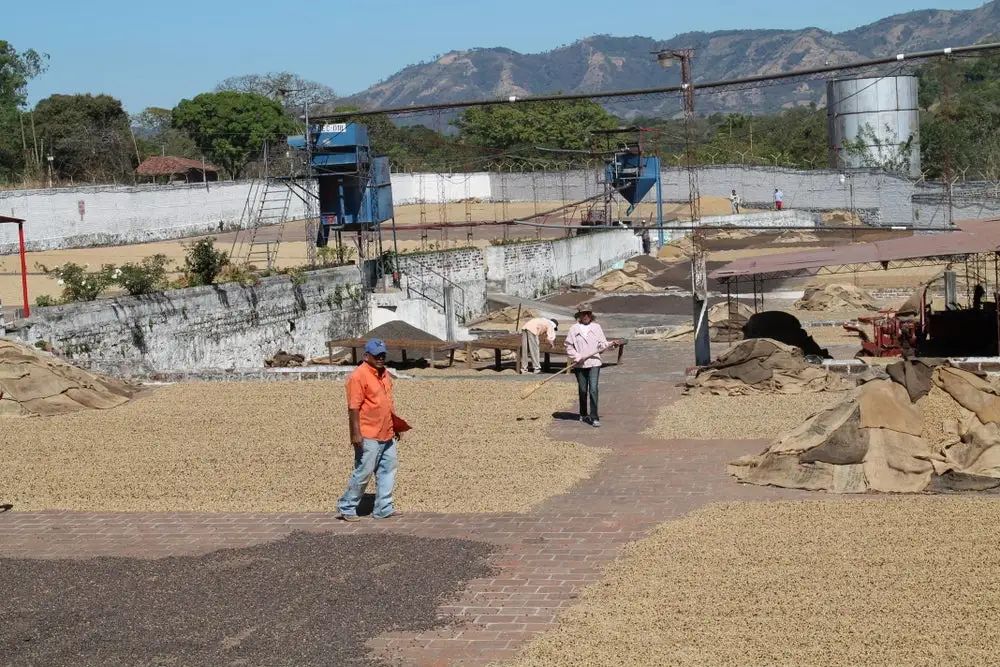
By 1920, coffee accounted for 90% of El Salvador’s total export value. This small Central American nation, blessed with fertile volcanic soils and ideal altitudes, reached its peak as the world’s fourth-largest coffee producer in the 1970s.At that time, annual production soared to 200,000 metric tons, primarily supplying raw materials for instant coffee in European and American markets.But this single-crop economic system suffered a fatal blow during the civil war that erupted in 1979.
The thirteen-year armed conflict completely reshaped El Salvador’s coffee landscape.Post-war land reform policies forcibly divided over 200 large estates.Approximately 80,000 hectares of land were redistributed to former tenant farmers and laborers. Today, the countryhas 95% of its coffee growers managing plots smaller than 20 hectares.This has resulted in a unique smallholder-based economic structure.
Although this decentralized production model reduces economies of scale, it unexpectedly nurtured a large number of coffee farmers skilled in traditional techniques.Even with production having declined by 60% compared to historical highs, El Salvador still retains precise, jungle-style management expertise.Particularly in cultivating coffee on volcanic slopes at altitudes of 1,200–1,800 meters. The new generation of farmers has also actively introduced mutations of traditional varieties such as Bourbon and Typica, with locally developed Pacas and Pacamara repeatedly winning awards in international cupping competitions.
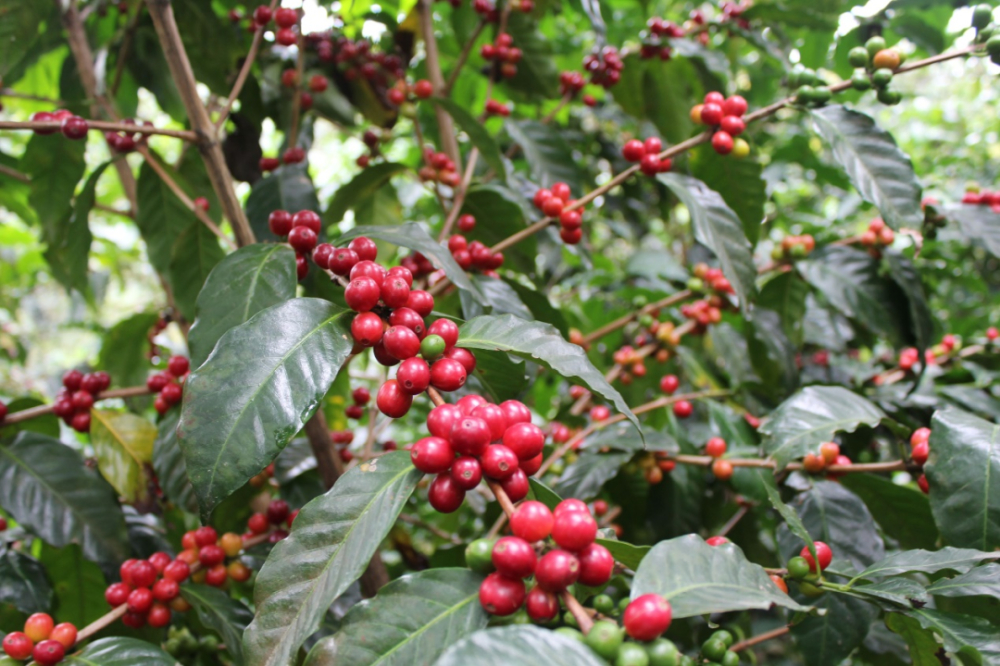
Notably, despite urbanization reducing forest coverage to 11%,over 70% of coffee farms still maintain shade-grown systems.Farmers commonly intercrop coffee trees with high-canopy species like bananas and avocados. This traditional farming method not only slows the ripening of coffee cherries and promotes sugar conversion but also helps stabilize the microclimate.Shaded environments can reduce caffeine content by 15–20%, while enhancing fruit acidity brightness and aroma complexity.Research shows that this approach conserves approximately 300 cubic meters of groundwater per hectare annually, effectively preventing the soil erosion commonly seen in Central America.
From a colonial cash crop to eco-friendly specialty agriculture, El Salvador’s transformation journey reveals the potential for sustainable development in the coffee industry. For consumers, choosing coffee beans labeled “Shade-Grown El Salvador” not only offers a taste of the blueberry notes and jasmine floral aromas unique to Pacamara, but also supports local agricultural practices that preserve biodiversity.
The above content is compiled by CoffeeHunters, a coffee news website.


