







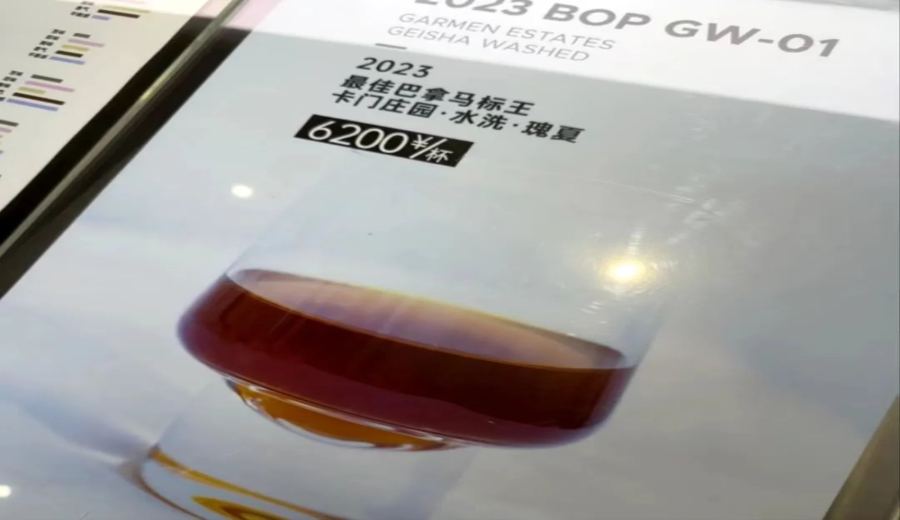
Introduction:A Shanghai coffee shop has sparked heated market discussion by offering a cup of Panamanian BOP washed Geisha champion beans priced at 6,200 yuan. Behind this pricing are multiple cost factors including green bean auctions, international shipping, and roasting losses. This article delves into the value composition of this ultra-premium coffee, explores its market positioning and consumer phenomena, and helps readers understand the logic behind high-priced coffee.
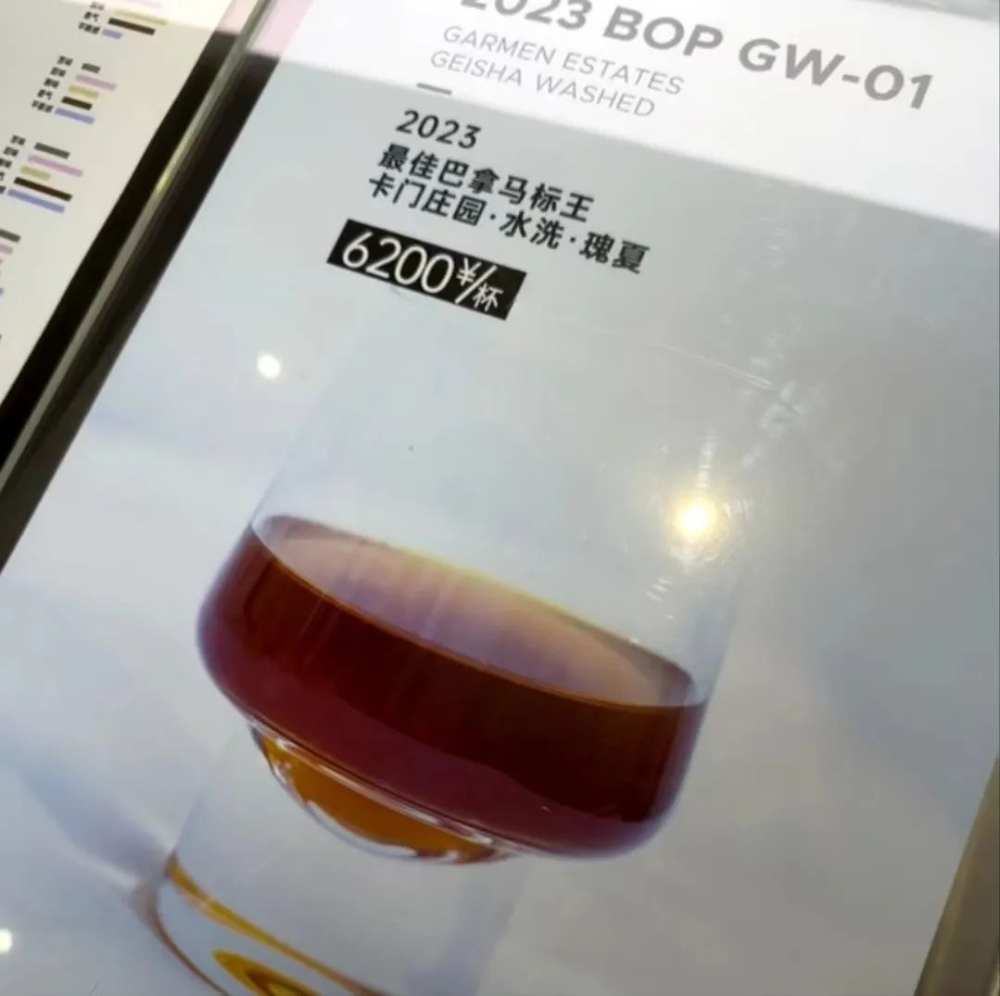
Following the previous buzz around a 4,988-yuan coffee, a Shanghai café has once again challenged consumers' perceptions of coffee pricing by launching a Geisha coffee priced as high as 6,200 yuan. The shop explained that this coffee uses the 2023 Panama Best of Panama (BOP) washed category champion beans, which scored an impressive 96.5 points—setting a new record high for the washed category. What cost factors are hidden behind this approximately 250 ml cup of coffee? Is it worth the price or simply the result of market hype? Let’s take a closer look.
The coffee at the center of this controversy is made from washed Geisha beans sourced from Finca Carmen. This particular variety stood out at the BOP competition, winning with an outstanding score of 96.5 and breaking the historical record for washed Geisha. As one of the world’s top green bean competitions, BOP employs extremely rigorous scoring criteria. The competing beans come from various producing regions and processing methods, and the fact that Finca Carmen’s Geisha could triumph among so many competitors speaks volumes about its exceptional flavor and quality.
The Geisha variety, known for its unique floral and fruity aromas as well as its delicate mouthfeel, is considered a dream coffee for many enthusiasts. However, Geisha is extremely demanding in terms of growing conditions—it requires high altitudes, specific climate conditions, and precise timing for harvesting and processing, all of which contribute to its inherently limited yield. Coupled with strong market demand and a supply shortage, prices naturally soar.
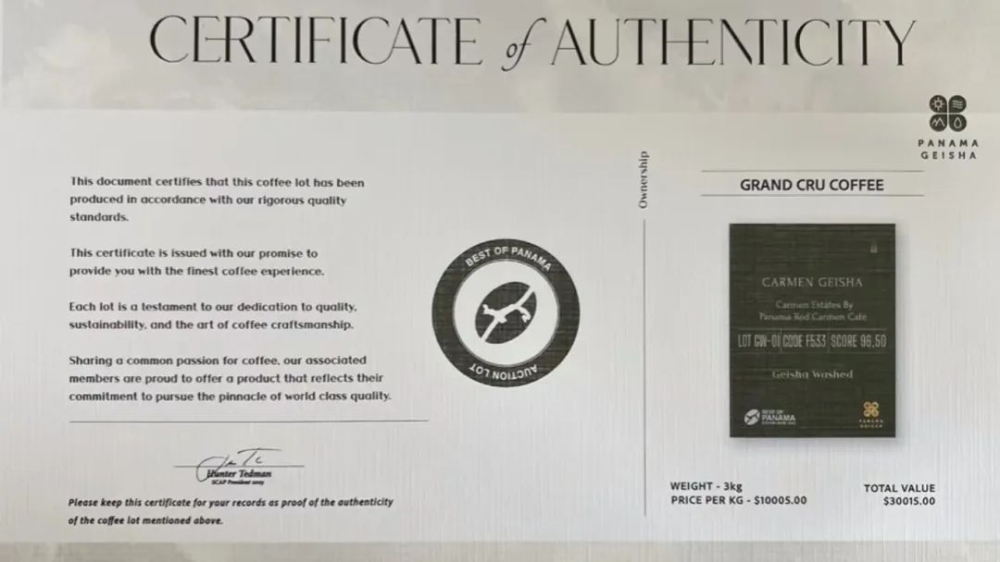
So, how is the cost of this 6,200-yuan cup of coffee actually structured? According to the BOP auction results, the winning bid for these champion beans reached as high as $10,005 per kilogram. When converted to RMB and factoring in international shipping, tariffs, VAT, customs clearance, and other fees, the cost of the green beans alone climbs to approximately 100,000 RMB per kilogram. During the subsequent roasting process, around 20% is typically lost due to moisture removal and the removal of defective beans, pushing the cost of roasted beans up to roughly 130,000 RMB per kilogram.
Calculating that a single cup uses about 15 to 16 grams of roasted beans, just the cost of the beans alone comes close to 2,000 RMB. If you further account for the profit margins of green bean importers and roasters, as well as the rent, labor, and operational costs of the café, the total cost easily reaches at least three to four thousand yuan. This explains why the final retail price can be as high as 6,200 yuan.
Faced with such a steep price tag, many consumers can’t help but wonder: is there really anyone willing to spend nearly ten thousand yuan on a single cup of coffee? In reality, the production volume of such top-tier auction beans is extremely limited. It’s understood that the total amount of Geisha beans scoring above 90 points at BOP is only about 25 kilograms, and these were secured through bidding by just six buyers worldwide. This kind of extremely rare “artwork-level” coffee naturally appeals to a specific demographic.

According to the Shanghai coffee shop, they have only imported two cups of this 6,200-yuan coffee—one has already been reserved, leaving just one final cup available. Whether it’s worth spending such a large sum to taste it is ultimately a highly subjective choice. As some netizens have put it, “If you can afford it, drink it; if not, don’t.” This kind of high-end coffee is more about a symbol of status and the pursuit of an ultimate flavor experience.
In summary, the price of this 6,200-yuan Geisha coffee reflects not only the rarity and quality of the green beans but also the accumulation of costs across multiple stages. From the auction and shipping to roasting and retail sales, each step influences the final pricing. For coffee enthusiasts, understanding the logic behind these factors can help them view the market phenomenon of high-priced coffee more rationally and better appreciate the value and story carried within each cup.
The above content is compiled by CoffeeHunters, a coffee news website.


