







Introduction:Recently, multiple Luckin Coffee employees have reported that the processes of taking photos when closing the store and filming ingredient videos are overly cumbersome, leading to daily overtime work without compensation, which has in turn triggered a wave of resignations. This article delves into the much-criticized "photo management" system by employees. Originally designed to ensure food safety and track ingredient expiration dates, its execution—marked by excessive frequency and insufficient staffing—has instead significantly increased employee stress and adversely affected store operations and service quality.
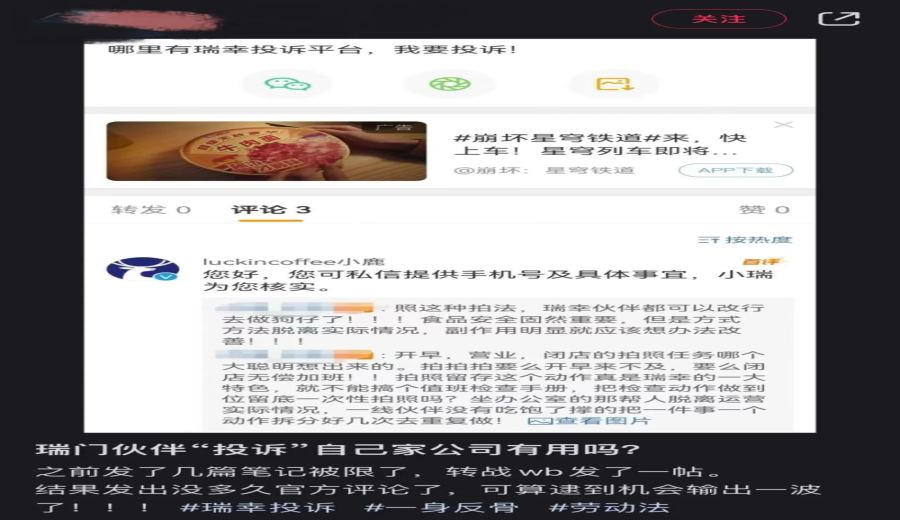
On social platforms, a Luckin Coffee employee shared their work experience, bluntly stating that the company’s store-closing procedures are too burdensome to handle. According to this employee, every day during closing, they have to spend at least half an hour or more taking individual photos of various materials, and even filming short clips for snack items, before putting everything back in place. More importantly, these steps can only be done after the official closing time, resulting in employees working overtime almost daily without any overtime pay.
The post quickly resonated with many internal Luckin employees, with numerous comments expressing similar experiences. They pointed out that the rules for taking photos and videos at closing mainly stem from past incidents where employees mistakenly sold expired products, leading the company to enforce extremely strict management of ingredient shelf lives. However, many stores schedule only one employee for the night shift, and with limited manpower, the photography process becomes even more burdensome. One employee bluntly stated, "The new closing duty standards are really disgusting," and another said, "Many of these processes are just for show."
In fact, the purpose of such archival photography tasks is to ensure food safety and effectively track the usage period of ingredients to prevent employees from using or selling expired products. However, employees generally report that not only are these processes carried out too frequently, but they are also often enforced during the already busy closing hours, compounded by insufficient staffing, turning what should be simple wrap-up tasks into overly complicated ones, thereby intensifying work pressure and dissatisfaction.
Beyond the issue of closing-time photography, employees are also troubled by the "timeliness rate" evaluation system. The so-called timeliness rate refers to the requirement that beverages must be prepared and served within a certain timeframe after a customer places an order. But during peak hours when orders flood in, employees not only have to busy themselves making drinks but also have to find time to handle serving records. Sometimes, customers arrive to pick up their drinks upon receiving a notification, only to find that the drink hasn’t been made yet, leading to on-site chaos and customer dissatisfaction.
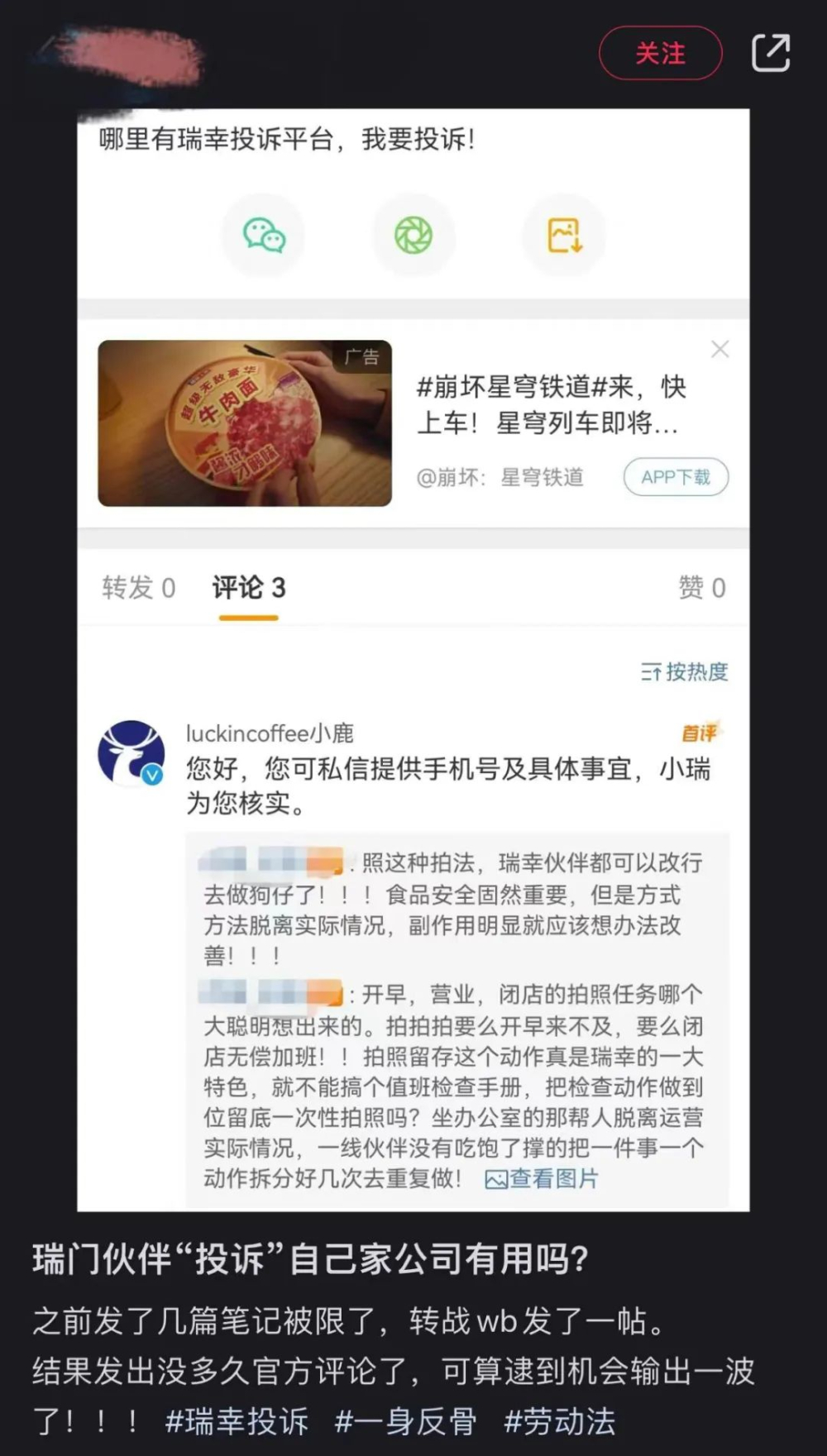
Notably, these problems did not emerge recently; there have long been numerous related complaints on social media, but many employees feel the company has not truly valued these grassroots voices. One employee revealed that although the company responds with "feedback received," there has been no further escalation or improvement, leaving frontline staff feeling ignored. One even remarked, "The company just turns a deaf ear. With employee resentment running high, how can they possibly serve customers with dedication?"

Due to long-standing management issues remaining unresolved, Luckin’s employee turnover rate continues to rise, triggering a chain reaction such as store staffing shortages and insufficient training for new hires. As Luckin’s global store count surpasses 13,000, if these internal management loopholes persist, they will not only affect employee morale but may also further impact customer experience and brand reputation. Industry observers note that striking a balance between ensuring food safety and improving management efficiency has become a critical challenge Luckin urgently needs to address.
The above content is compiled by CoffeeHunters, a coffee news website.


